Rum from Mauritius
Region & History
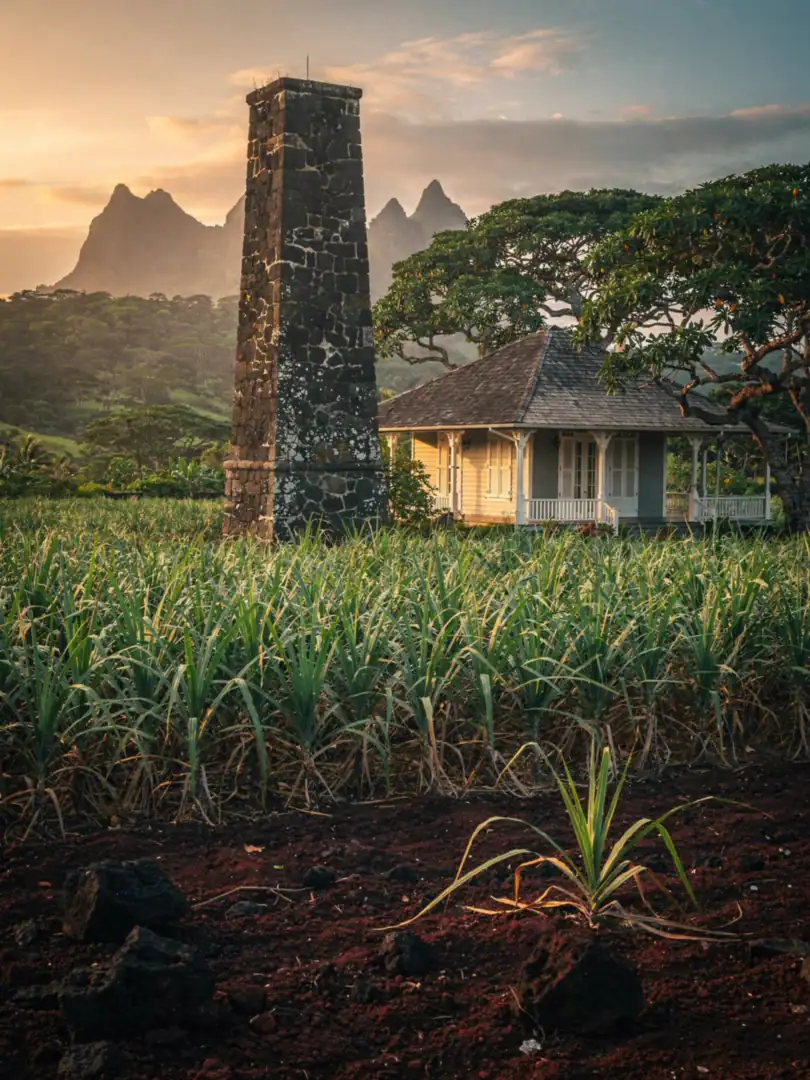
High above the coast in southwestern Mauritius lies the village of Chamarel, known for its Seven Coloured Earths and for the rum that has been distilled there since 2008. Sugarcane and pineapples grow all around the village. It takes its name from a Frenchman who lived there around 1800 and owned most of the land.
Sugarcane arrived with the Dutch, who occupied Mauritius from 1638 to 1710. They distilled it mainly into arrack, and they brought enslaved people to the island to grow and process the cane. Later, the French and British made sugar a cornerstone of the island's economy. After the end of slavery, indentured laborers from India worked the fields.
Rum long remained a sideline. Until 2006, distilling sugarcane juice was forbidden on Mauritius, since the island depended so heavily on its sugar industry; rum was made instead from molasses, the dark leftover from the sugar factory. Then the government lifted the ban. New distilleries emerged, and older houses expanded their ranges.
Rum from Mauritius has no dedicated protected designation of origin in the EU register. For sale within the EU, the general rum definition therefore applies: sugarcane juice, molasses or syrup, at least 37.5 percent alcohol, no flavorings. The term agricole is reserved within the EU for the protected designations of the French overseas departments and Madeira. A juice rum from the island may not carry that term there, even if it's called that locally.
In the south and southwest, two houses are active today: the Rhumerie de Chamarel, whose brand launched with its first bottlings in 2009, and the Saint Aubin estate, which traces its history back to 1819. The island's classic molasses distilleries are located in the north.