Sugar Island of the North
Region & History
Where does Mauritian rum come from, and why is a sugar company so often behind it? The answer begins in Pamplemousses, in the north of the island. On the Domaine de La Villebague, the first sugar mill in Mauritius is said to have stood in 1740, with the first rum distillery following three years later. So says the company Grays; from the outside, it's hard to verify.
For decades, sugar on Mauritius meant forced labor. Enslaved people, taken from Africa and Madagascar to the island, toiled in the fields and mills. When Britain abolished slavery, planters sought replacements and found them in India. On November 2, 1834, the first 36 indentured laborers landed, arriving on the ship Atlas.
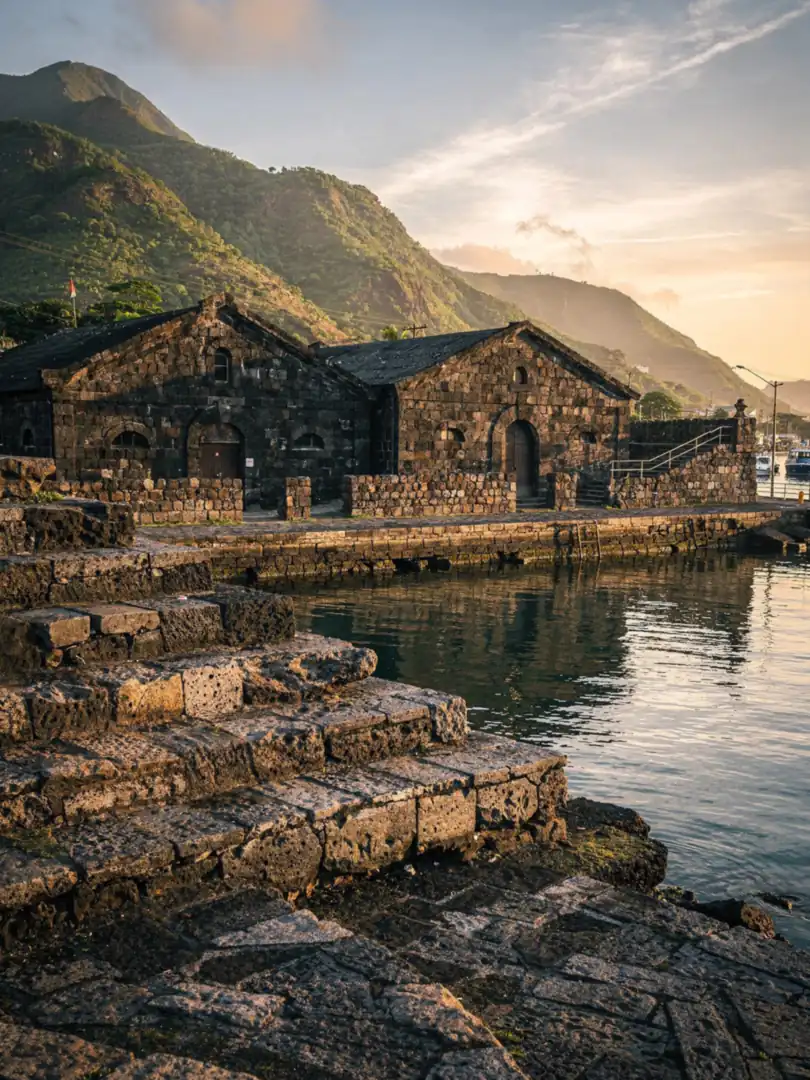
Between 1834 and 1920, nearly half a million indentured laborers from India reached the island via Port Louis, some traveling on from there to Réunion or other countries. The depot where they were processed is called Aapravasi Ghat and has been a UNESCO World Heritage Site since 2006. Officially, it was free labor, governed by contracts that bound workers for years.
Grays' distillery is rooted in this sugar world. In 1931, Harel Frères bought the Mauritius OK Distillery and moved its equipment to Solitude near Triolet. Harel Frères is now called Terra and is among the island's major sugar producers. In 2004, Grays founded a joint venture with partner Quartier Français that bottles premium rums under the name New Grove.
Mauritian rum has no protected designation of origin in the EU register. The general rules apply: molasses, syrup or juice as the base, at least 37.5 percent alcohol, no added flavorings. In the north, both paths exist side by side, Grays' molasses and the cane juice from Domaine de Labourdonnais, which according to its own claims was founded in 1774.