Essence Instead of Cask
Rum Style
Three rum-flavored spirits with roots in the old Habsburg Empire are often confused with one another: Inländerrum from Austria, Tuzemák from the Czech Republic, and Domači rum from Slovenia. They sound related but follow different legal rules. The Austrian path today is closely tied to sugarcane.
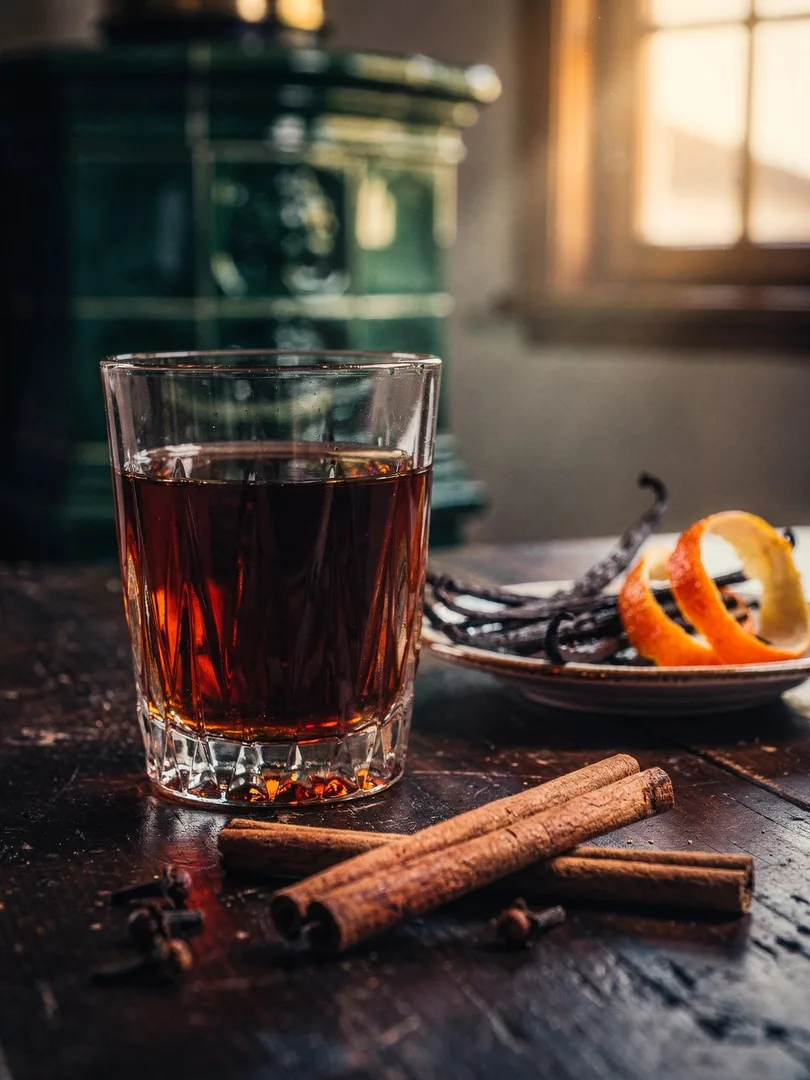
Since 1999, Inländerrum has consisted solely of rum alcohol, plus Inländerrum essence made from rum distillate. It has at least 38 percent alcohol, typically ranging from 38 to 60, topping out at 80. Because it is flavored, it is not legally called rum but is instead a protected spirit drink. Its character is mild, sweetish, and vanilla-forward.
Tuzemák from the Czech Republic was called Tuzemský rum until December 31, 2002. Since January 1, 2003, EU law has forbidden it from being called rum. It is made from potato or beet alcohol with rum essence. The best-known brand is Božkov, which has never been rum in the literal sense.
Domači rum from Slovenia is a protected spirit drink made from molasses or juice distillate, to which rum flavorings and color are added. It has at least 37.5 percent alcohol and smells of punch with vanilla. It's used primarily in baked goods like Potica and Krapfen, and it, too, came into being because Austria-Hungary had no colonies.
The decisive difference, then, lies in the alcohol. Inländerrum draws it from sugarcane, Tuzemák from potatoes or beets, Domači rum from molasses or juice. On the label, this matters a great deal. Then there's the strength, since Stroh 80 and the weaker bottlings together form the defining styles of this region.
Inländerrum (G.I.)Molasses · Pot still and column still
- Alcohol
- 38–60 % vol
- Cask ageing
- 0 Years
Mild and sweetish, vanilla and caramel; rum plus essence, no foreign alcohol.