The short answer
Overproof simply means: especially high in alcohol. There's no fixed flavour or quality tier behind it, and the term isn't standardised worldwide either. Two figures really matter: the percentage on the bottle and the amount a recipe calls for.
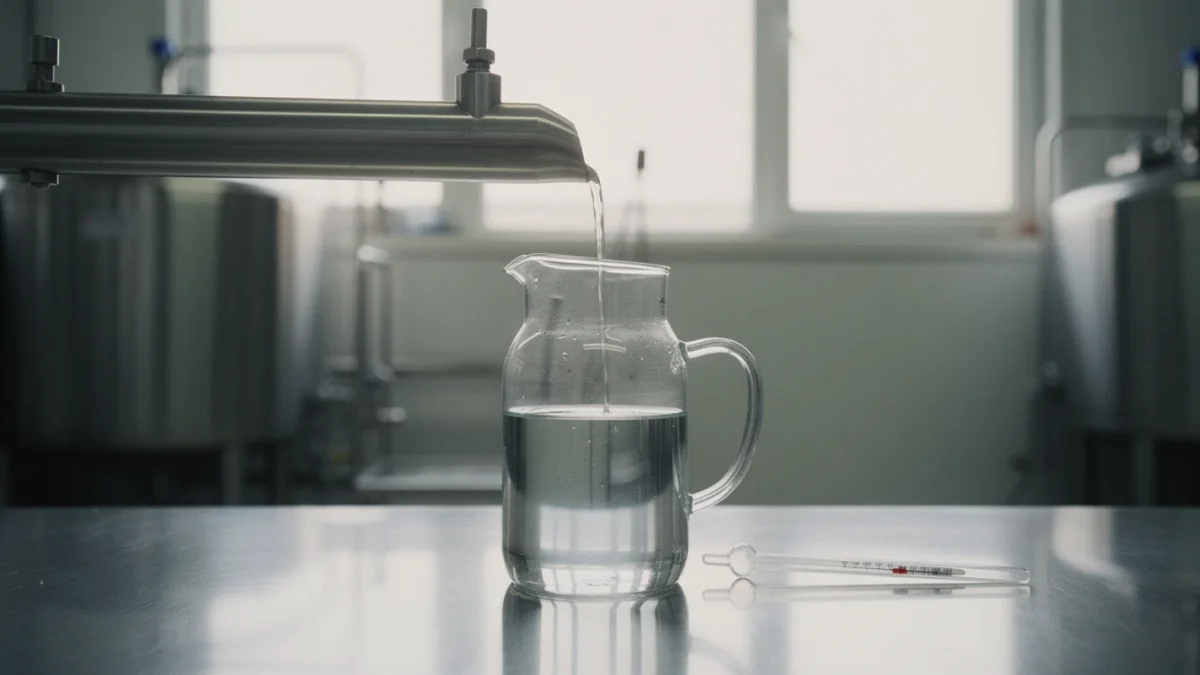
Reading Strength and Aroma Separately
ABV alone doesn't tell you anything about flavor. A strong rum can taste fruity, cask-driven, spicy, or fairly light. For that, you need other information: the raw material, the fermentation, the distillation method, and the maturation.
The word Overproof doesn't tell you the strength either. The old proof systems differ by country. The same term can therefore mean different alcohol contents. The only clear indicator is the percent ABV stated on the label.
The term comes from an old testing method. Rum was mixed with gunpowder and set alight. If it burned, the alcohol content was considered "proven" strong enough, hence "over proof." That explains the name, and also why it isn't a modern category.
Check the percentage on every new bottle. Two bottlings of the same brand can differ in strength, even though the labels often look very similar. A quick glance at the number saves you a surprise in the glass.
Why such rums appear in recipes
In some tiki drinks, a very strong rum has a specific job to do. Alongside acid, syrup, and other rums, even a small portion contributes to the drink's backbone. It gives the drink a structure that the milder ingredients alone can't provide.
These recipes are designed as an interplay of ingredients. More alcohol doesn't make just any drink more flavorful or better balanced. If you simply build a standard cocktail with a stronger rum, you mostly just end up with a harsher cocktail.
For shopping purposes, that means: a bottle of overproof rum lasts a long time. Most recipes only call for small amounts. It's an addition to your home bar, not part of the essential stock.
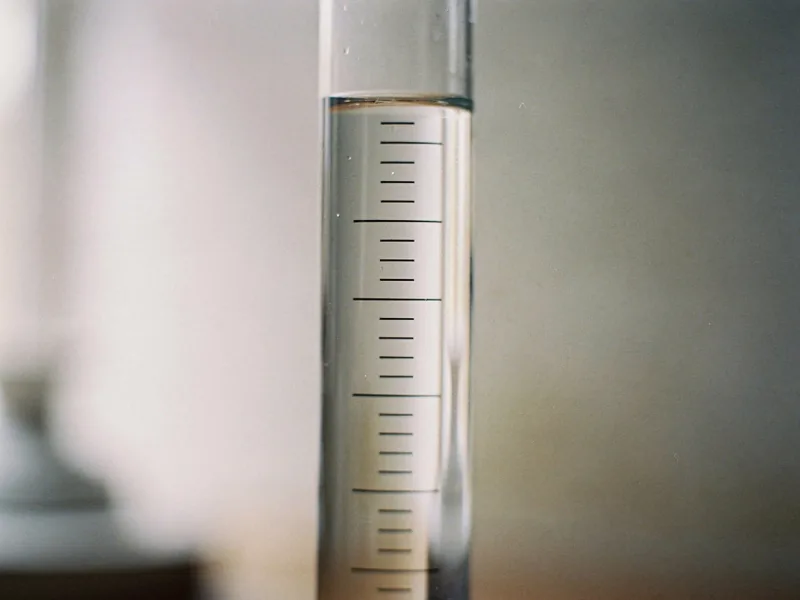
Doing the math more carefully when substituting
Calculate based on pure alcohol, not on volume. 60 ml of rum at 40% ABV contains 24 ml of pure alcohol. The same volume at 60% ABV contains 36 ml. Equal volume, in other words, by no means equals equal alcohol content.
If you use 60% instead of 40%, roughly two-thirds of the amount gets you to the same alcohol level. Make up the rest with water or ice. Otherwise the drink lacks volume and comes across as tight and overly concentrated.
The math alone, however, won't recreate the same flavor. A different rum brings different aromas along with it. So use the style the recipe calls for whenever possible. Every substitution is its own small bit of recipe development. Write down what you changed, or you'll be starting from scratch next time.
Neat, an overproof rum tastes too harsh to many people. A few drops of water take the edge off and let the aromas come forward. That's the standard way to taste strong bottlings.
No fire needed for effect
To get to know one, you don't need a flaming garnish or a torched drink. Measure carefully and work with small samples. Precise dosing gets you further than any spectacular presentation.
This warning is meant seriously. Alcohol at this strength ignites easily, and the flame is barely visible in daylight. Keep the open bottle away from candles and stovetops.
A flambéed drink is not a beginner's project. If you still want to try it, clear the table beforehand and put the bottle out of reach. Topping up straight from the bottle near an open flame is simply out of the question.