The short answer
Color alone reveals neither age nor quality. Cask maturation, filtration and, in some cases, added coloring all play a part in how a rum looks in the glass.
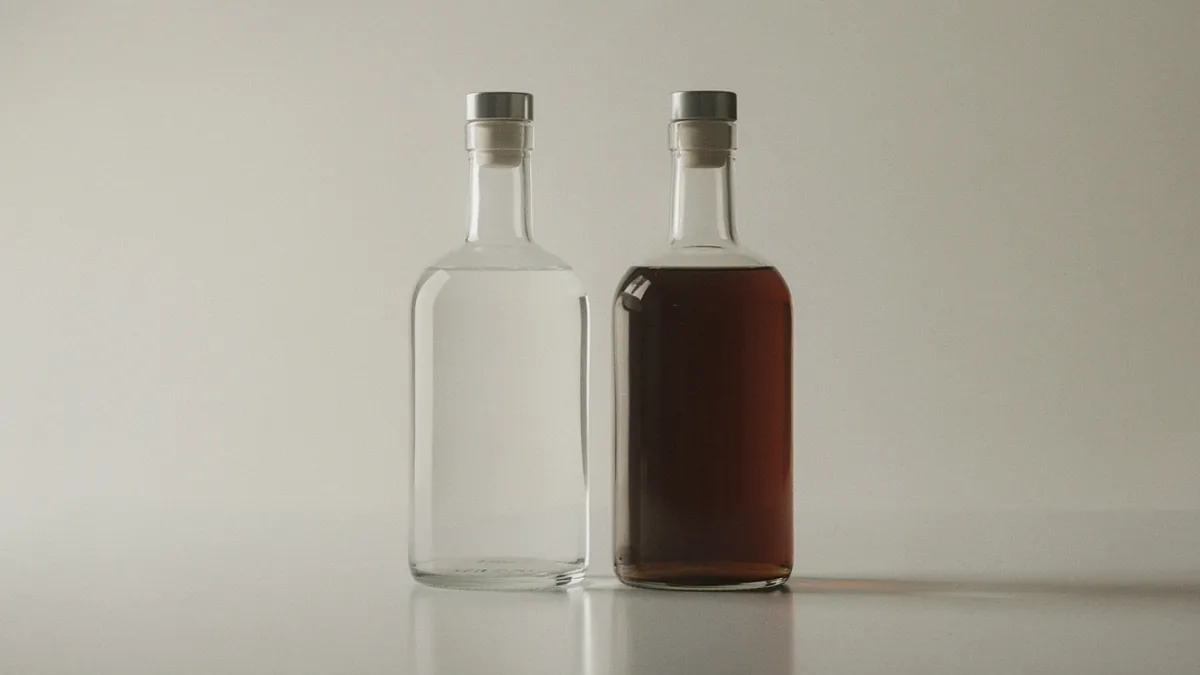
The obvious conclusion isn't always right
A light rum may well have spent time in a cask and been filtered afterward. A dark color, conversely, proves no lengthy maturation. Filtration and caramel coloring are the two reasons why sorting rum by color falls short.
Filtration explains why an aged rum can appear light in the glass: it strips away the color the rum picked up in the cask. Conversely, many countries permit the addition of caramel coloring, a colorant derived from sugar. It deepens the color without the rum having matured any longer. Both practices are common and rarely appear on the label.
What you see in the color, then, is the result of several decisions - most of which are made only after maturation. As a clue to what awaits you in the glass, color is about as useful as the shape of the bottle.
Color words like "gold" or "dark" describe appearance only. They say nothing about raw material, distillery or cask. Yet those three factors are exactly what determine whether you'll enjoy a given bottle.
Better to ask about purpose than about color
In a cocktail, what matters is the style and strength called for - not the darkest rum on the shelf. For neat tasting, raw material, distillery and cask details are far more interesting.
A useful comparison consists of two light rums with deliberately different style descriptions. This lets you test just how little color alone actually tells you. Note whether one comes across as restrained and the other distinctly fruity or bold. That observation is worth more than trying to read an age off every shade of color.
In the shop, a single question helps most: what do you need the bottle for? The answer determines the style, and the style determines your choice. Color doesn't enter into it at all. Write down the recommendation you receive. Next time you shop, you'll know which style was suggested for which purpose.
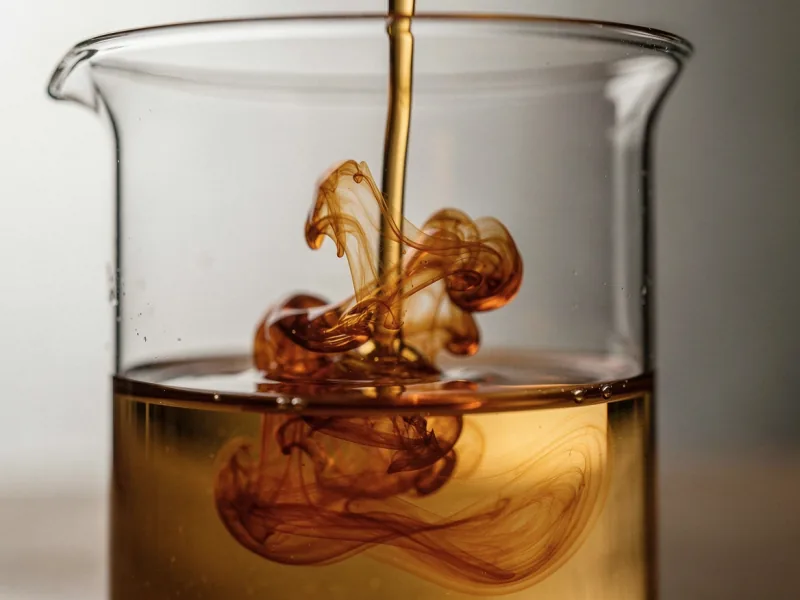
What you can't tell from rum's color
Three questions many people try to answer by looking at color - and what actually answers them. You'll usually find the real answers on the same label.
| Color reliably answers... | Instead, check... |
|---|---|
| How long the rum has matured | Specific age statements |
| How sweet the rum is | Producer information and your own tasting impression |
| Whether it suits the recipe | The rum style explicitly called for |
The experiment that shows it clearly
Set two light rums side by side whose style descriptions differ significantly: one described as light, and one billed as bold or aromatic. Pour both into matching glasses, in equal amounts, at the same temperature. If two bottles of the same color taste this different, the question of shade has already answered itself.
After each sip, jot down a single word. That's really all it takes - and more than that, nobody writes down anyway. Next time you shop, you'll have your own description in hand. A color category, by contrast, tells you nothing at all.
The experiment works the other way round too. Take two dark rums with clearly different style descriptions. Between these two glasses, too, lies far more than their shared dark color would suggest.