At Least Three Years
Cask & Climate
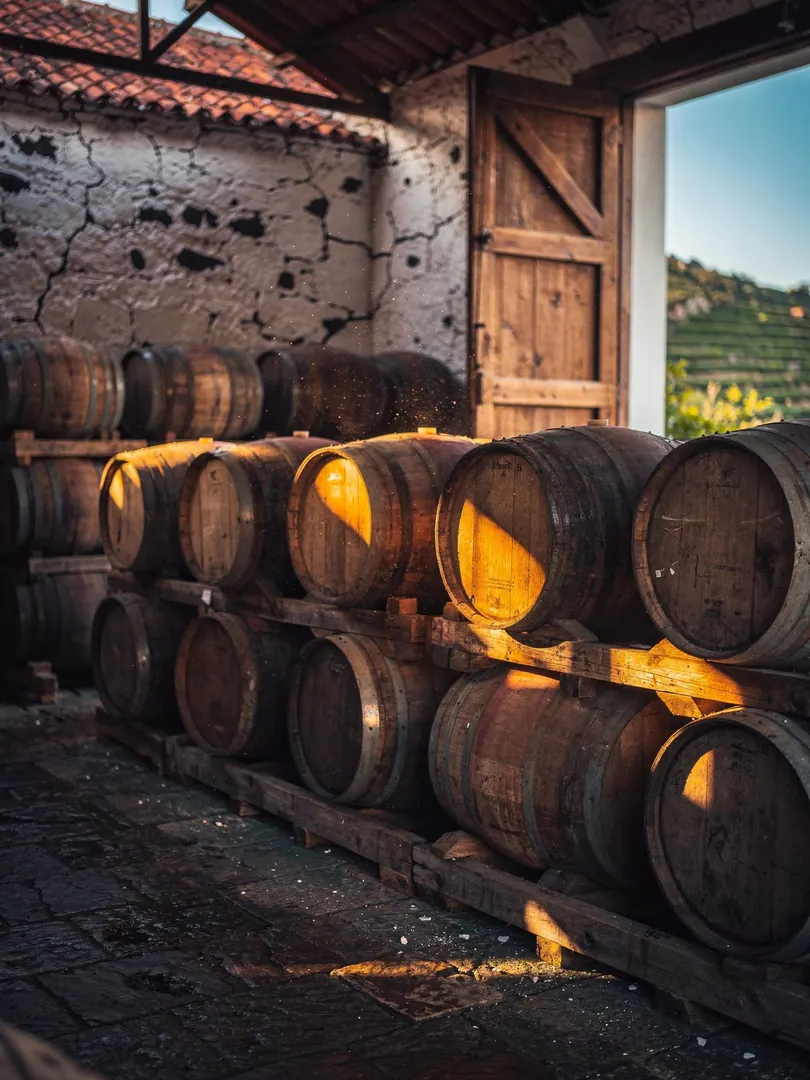
How old is an aged Rum da Madeira? To be labeled envelhecido, it must have rested in oak casks for at least three years. The Madeira Wine, Embroidery and Handicraft Institute, known as IVBAM, oversees this requirement. It's a firm minimum, something many other rum styles lack.
The unaged version is called natural and ranges from clear to pale yellow. The third type, fortificado, is rounded out with sugar syrup, meaning it's sweetened. A sweetened rum doesn't meet the EU conditions for the term "agricola" and therefore can't carry it.
EU rules govern age statements: the youngest component in a blend is always what's declared. A vintage year may only appear on the label if the entire rum comes from that single year. An age statement of ten years means every drop in the bottle spent at least that long in wood.
The island sits in the Atlantic, with a mild, stable climate and little difference between summer and winter. Wood matures more gently here than in the heat of the Caribbean. Tasting notes for aged rums emphasize honey, caramel, and spice, while the fruit of the young rum never fully disappears. At Engenhos do Norte in Porto da Cruz, the range spans from white rum to aged expressions.
Oak is the standard cask; some producers also age their rum in casks that previously held Madeira wine. Press reports note that one small producer bottles rums aged 15 to 24 years. That's an outlier in a country where three years is the legal minimum.