Sugar, Rum, Honey
Region & History
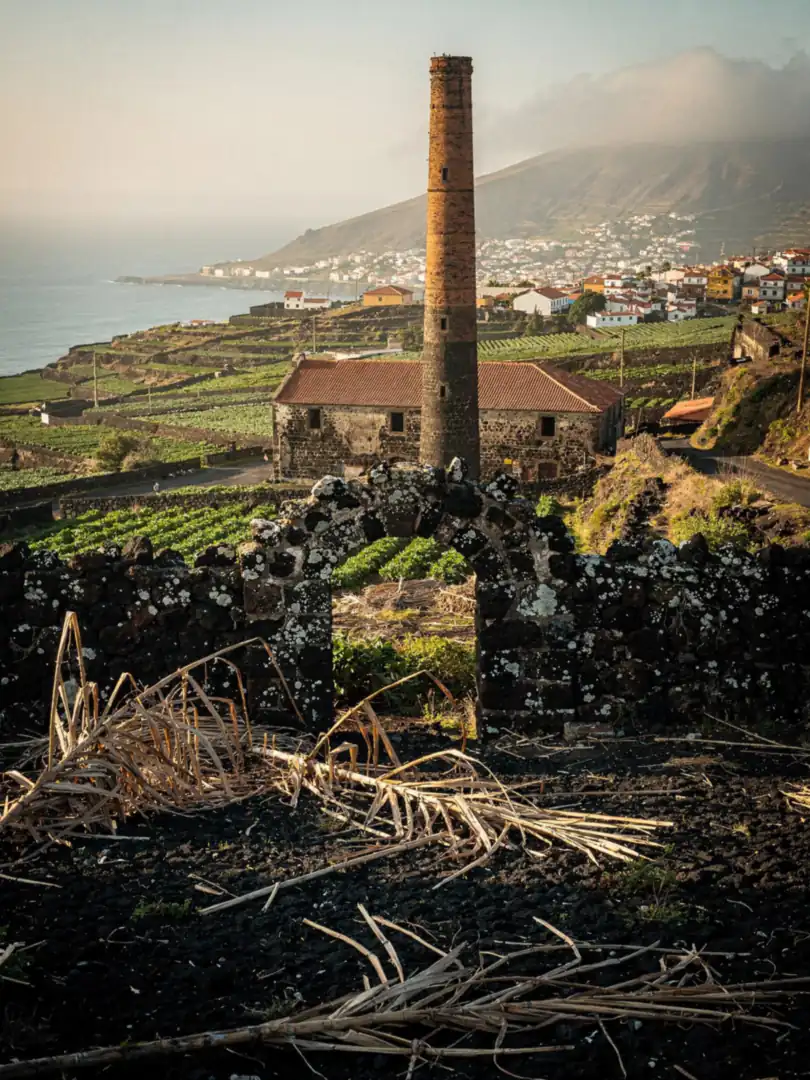
Rum from the Canary Islands has a longer backstory than many suspect, as sugarcane has grown on the islands since the 15th century. The first plantations on Gran Canaria lay near Las Palmas, Gáldar, and Arucas, with Tenerife, La Palma, and La Gomera following later. Here too, enslaved people worked the fields and the sugar mills. Cultivation declined in the mid-16th century, as sugar from Santo Domingo undercut the market.
A path to the Caribbean also led through the Canaries. On his second voyage, Christopher Columbus stopped at the islands in October 1493, including La Gomera. According to tradition, he took sugarcane cuttings from there, intending to plant them in Hispaniola. The application for protected designation of origin for Ronmiel de Canarias states that the first plants reached Santo Domingo from the islands.
Literature cites the year 1500 for the first aguardiente, a brandy, distilled in the Canaries, produced by Franciscan monks at the convent in Las Palmas. Industrial distilling, however, only began in the second sugar cycle, which historian Luxán Meléndez places between 1852 and 1936. Many sugar factories turned into rum factories during this period, since brandy could be extracted from the molasses.
The Fábrica San Pedro in Arucas dates from this era. According to the company, it opened on 9 August 1884; from it emerged Destilerías Arehucas. Sugar was initially the main product, with rum made on the side. Since 2008, Ronmiel de Canarias, a liqueur made from honey and rum, has held protected geographical indication status in the EU register. Legally, it is not classified as rum, and its producers' association is also based in Arucas.
A second name is Ron Aldea: it began in 1936 in Aldea de San Nicolás on Gran Canaria and is distilled today on La Palma.