The short answer
Choose your rum based on how you plan to use it and the style described on the bottle. A Daiquiri calls for something different than a bold Tiki drink or a small neat sample. Color and big numbers on the label aren't enough to guide that decision.
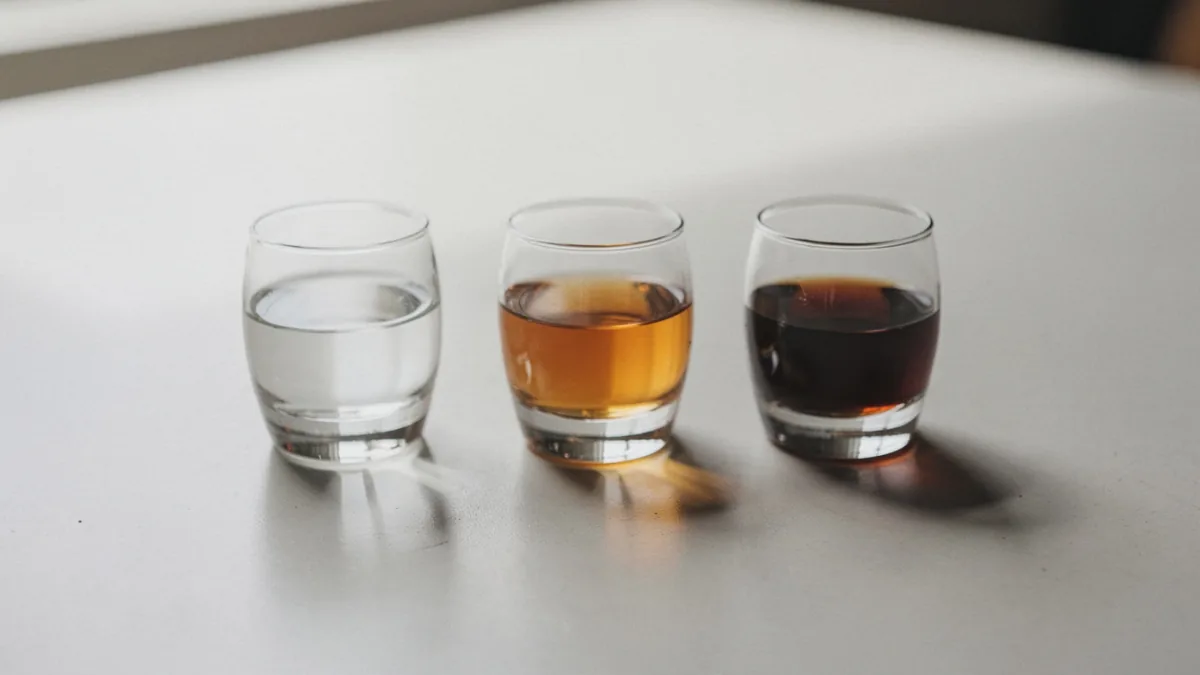
Do you want to mix or drink it neat?
If you have a specific cocktail in mind, the selection starts with the recipe. White Cuban rum, bold Jamaican rum, and Rhum Agricole aren't interchangeable terms. The style description tells you what role the ingredient plays in the drink. You can still swap it out, but the result will change.
For a pure introduction, try two clearly different profiles in small samples. A restrained, light style next to a bold, aromatic rum shows you more than two random dark bottles picked at random. When making your first comparison, look for similar ABVs. A high proof will otherwise mask everything else.
Four common goals, each with the quickest route to a suitable bottle.
| Your goal | What to watch for | Next step |
|---|---|---|
| Daiquiri or Mojito | Choose the specifically named light rum style | Start with a recipe |
| Bold rum cocktails | Pay attention to the origin and style of the rum called for | No blanket 1:1 substitutions |
| Compare neat | Different profiles, similar ABV | Set two small samples side by side |
| Grassy, vegetal aromas | Check for a rum described as being made from sugarcane juice | Get to know Rhum Agricole in more depth |
What defines rum: raw material, fermentation and cask
Rum starts with sugarcane. Depending on the production method, either molasses or sugarcane juice forms the base. Fermentation, distillation, maturation and blending all shape the final flavor. That's why light, delicate spirits and intensely bold ones sit side by side under the same broad category.
Molasses as the raw material doesn't mean the finished rum tastes sweet. Sugarcane juice is no guarantee of a consistent flavor either. If you want to explore green, grassy or distinctly fruity impressions, look for a bottling that's specifically described that way and set a comparison sample alongside it. Production methods help you get your bearings. Tasting is what actually settles the question.
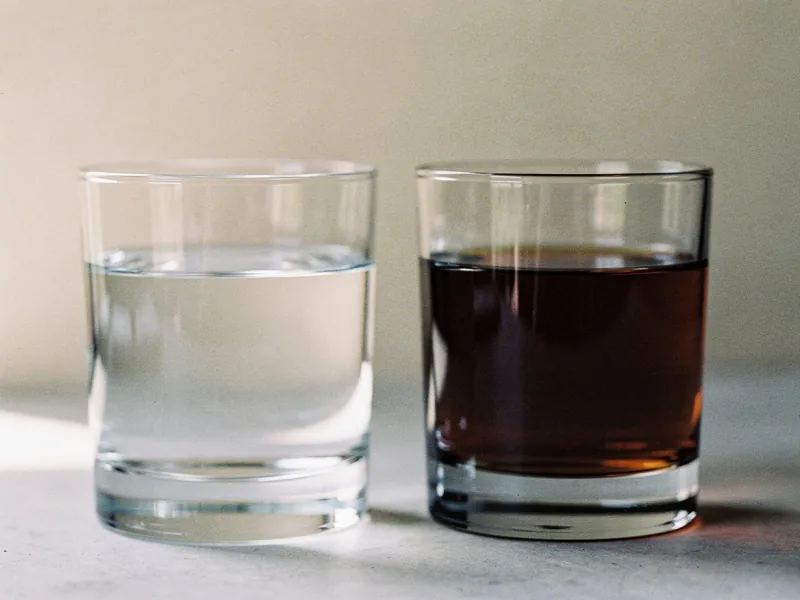
Why white, gold and dark aren't a quality ladder
Color can come from cask maturation. But it can also result from filtration or permitted color adjustment. A light rum may well have spent time in a cask before being altered in color afterward. A dark appearance therefore proves neither a particular age nor a bold flavor.
Ask about cask maturation, style and intended use. "Dark" alone is often too vague for a recipe. Origin statements, too, are more of a starting point than a guarantee, since practices vary widely even within a single country. Use them as a jumping-off point for further questions.
Reading the label: designation, proof, age and sweetness
Start by reading the legal product designation and the ABV. A flavored rum-based drink is not the same category of product as an unflavored rum. Large numbers in the name also need an explanation. Depending on the labeling rules, they can mean something quite different from the age of the youngest component.
Separate sweet aroma from actual sugar. Vanilla, caramel or ripe fruit can smell sweet without telling you anything about the sugar content. If you want to avoid added sweetening or seek it out deliberately, ask for the producer's specifications for that bottling. Words like "natural" or "premium," or a dark color, don't answer that question.
Comparing two samples: a short guide
Set out matching clean glasses and water. Label the samples. Note down the full names and ABVs. Nose each one first from a bit of a distance. Then jot down two or three simple impressions - banana, grass, vanilla, oak or spice, for example. You don't need to nail a long list of aromas.
When you take a small taste, pay attention separately to flavor, mouthfeel and warmth. Then add a splash of water to just one sample and compare again. Finally, think about what you'd actually use the rum for. A bold rum might shine in a cocktail even if it feels like too much neat. Conversely, a smooth neat impression is no guarantee of an expressive drink.
Three cocktails as practical reference points
A Daiquiri is made from rum, lime and sugar. That's exactly why differences in juice, sweetness and rum stand out so clearly. The Mojito adds mint and soda and calls for a different preparation. The Mai Tai combines specific rum styles with orange curaçao, orgeat, lime and sweetener. It's not just any mix of rum and tropical juice.
Start by working with the rums specified. Overproof rum - meaning especially high-strength rum - shouldn't be substituted 1:1 without a second thought: extra strength changes the drink considerably. Rhum Agricole, too, isn't the same as any other rum from Martinique. If you deliberately vary the recipe, describe the mix as your own variation and note down your changes.
One targeted purchase instead of five similar bottles
Bring the name of your planned recipe with you to the shop. Ask for a suitable bottling within your budget and for the reasoning behind the recommendation. A good answer will name the style and function: a light base, bold fruit, or pronounced oak notes.
Only buy the second bottle once you know exactly what it adds. The home bar planner shows you which ingredients you already have that fit our recipes. It's no substitute for your own tasting, and it doesn't treat distinctive rum styles as interchangeable. That restraint is exactly what protects you from bad purchases caused by overly broad categories.
Storage and developing your own palate
Store rum bottles upright and sealed, away from light and heat. Once you've found a favorite mix, note down the full name of the rum you used. A brand name alone can refer to several very different products. When you shop next, check the ABV and product designation too.
When comparing further, change only one focus at a time: the raw material style, the maturation, or the origin. You don't need a huge collection for this. A well-documented small tasting often answers what you actually like about a rum better than a pile of aimless purchases.