One or Two
The Second Fermentation
A single fermentation makes the difference between the sparkling wines of Limoux. In Blanquette de Limoux méthode ancestrale, the Mauzac must ferments only once, finishing in the bottle. The winemaker bottles the wine before all the sugar has fermented out. The carbon dioxide produced by the ongoing fermentation stays trapped in the bottle.
The term ancestral means 'handed down from the ancestors.' Sugar and yeast may not be added, and dosage is also forbidden. The wine reaches at least three bar of pressure while staying light: it usually sits at only six to seven percent alcohol, with natural residual sweetness, since not all the sugar has fermented.
Pét-Nat, the trendy term for this style of sparkling wine, has no legal definition of its own. The méthode ancestrale, by contrast, is regulated within individual appellations, including Limoux. There, the rules stipulate that Blanquette must be 100 percent Mauzac and may not be enriched.
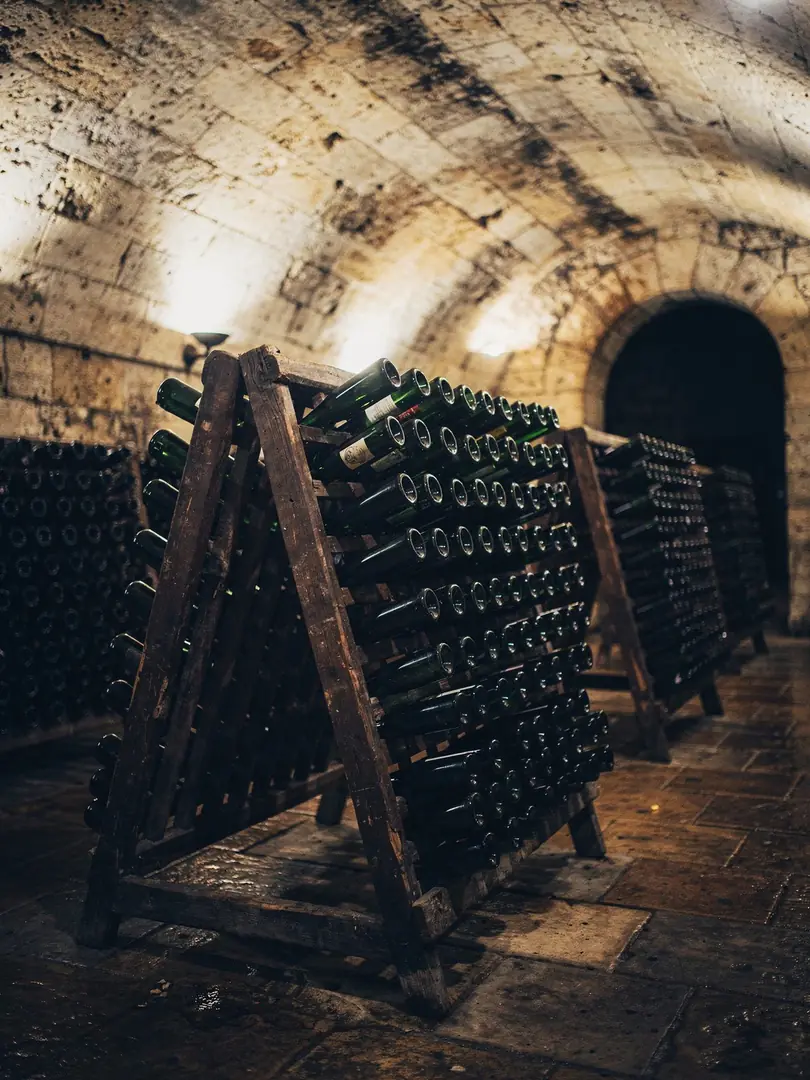
With Crémant de Limoux and classic Blanquette, the process follows that of any bottle-fermented sparkling wine. First the still base wine is made. Then comes the tirage: the cellar master adds a mixture of sugar and yeast to the wine and seals the bottles with a crown cap. The second fermentation begins in the bottle. It produces carbon dioxide that cannot escape, and pressure rises to at least 3.5 bar.
The difference is noticeable in the glass. The ancestrale comes across as fruity, light, and often a touch sweet, while the Crémant is drier, more austere, and higher in alcohol. Anyone who tastes both side by side understands within fifteen minutes exactly what the second fermentation changes.
Blanquette méthode ancestraleMéthode ancestrale · Mauzac
- Time on lees
- 2–4 Months
- Sugar
- 0 g/l
- Alcohol
- 6–7 % vol
Light and fruity with an apple note, natural residual sweetness, low alcohol.