The short answer
Pét-Nat usually goes into the bottle while the first fermentation is still underway. It finishes there. The gas produced in the process stays in the bottle and later creates the bubbles in the glass.
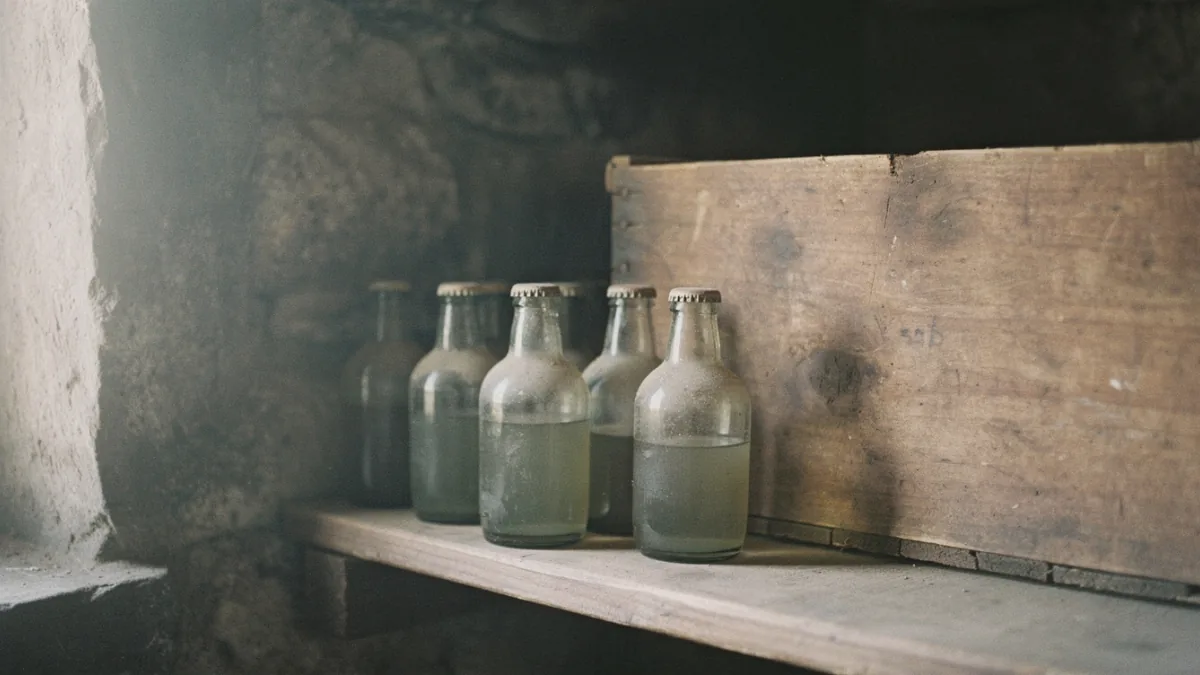
Pét-Nat Only Ferments Once — and It Happens in the Bottle
With the traditional method, a second fermentation starts in the bottle. Pét-Nat works differently. Here, a fermentation that's already underway is simply completed in the bottle. Yeast sediment can remain visible as a result. The name alone tells you nothing about the flavor, and nothing about whether or how much sulfur was used.
The easiest way to remember the difference is by the number of fermentations. With the traditional method, the wine is fully fermented before it's bottled. A second fermentation then begins in the bottle. Pét-Nat has only one. It doesn't finish in the tank but continues in the bottle. The gas can't escape and stays bound in the wine.
The yeast goes along for the ride into the bottle. As a result, sediment can form at the bottom, and the wine may appear cloudy. With this method, that's by design and not a sign of poor winemaking. The reverse is equally true: cloudy doesn't automatically taste better than clear.
So Pét-Nat describes a path to the glass, not a flavor profile. Two bottles with the same word on the label can differ widely in sweetness, pressure, and aroma. If you want more consistency, it's best to rely on the producer's information and your own memory of bottles you've already tried.
Before Opening
Read the producer's guidance on chilling and sediment. Hold a chilled bottle steady and open it slowly, pointing the neck away from everyone. A lively bottle is no reason to shake it.
When shopping, ask about sweetness, pressure, and cloudiness. If you're expecting a perfectly clear aperitif that tastes the same every time, say so at the counter. A smell you don't like doesn't improve just because the word natural is on the label. Your own impression is what counts.
In practical terms: chill it and let it rest calmly, ideally standing upright. That way the sediment settles at the bottom. To open it, tilt the bottle slightly and loosen the closure slowly. It shouldn't pop. If things do get lively, having a glass ready helps more than rushing. After that, it's just a matter of patience until the foam settles in the glass.
With the sediment, you have a choice. Pour carefully and the trub stays in the bottle, leaving the wine clearer. Tip the last sips into the glass too, and it'll turn cloudier and often a bit more tannic in the mouth. Both are fine. If there are several glasses at the table, it's worth comparing within a single bottle.
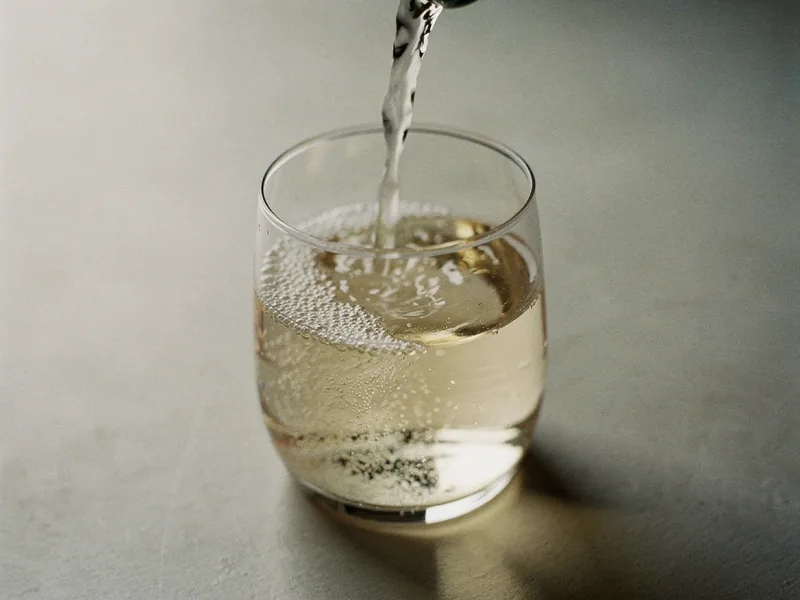
What to Look For When Buying
If the glass is light enough, you can already tell in the store whether the wine is clear or cloudy. Sediment at the bottom will also be noticeable. If the bottle has been lying on its side in the shop, the sediment will be spread throughout the wine. In that case, stand it upright at home first and give it some time. The producer's guidance on chilling and opening is often printed right on the label or around the neck.
At the counter, specific questions get you further than the term itself. Ask about the residual sugar, meaning the sweetness, the intensity of the bubbles, and the sediment. If you're planning to pair the wine with a particular meal or serve it as an aperitif, mention that too. The answer will narrow down the choices faster than any category.
Cloudy Doesn't Mean Flawed
Pét-Nat isn't a cheaper alternative to the traditional method. The process is different: an ongoing fermentation is completed in the bottle, and a second one never begins at all. If you use a clear, always-the-same-tasting sparkling wine as your benchmark, you're measuring with the wrong yardstick. The disappointment then lies with the yardstick, not the wine.
The second misconception concerns the word natural. It doesn't reliably indicate whether or how much sulfur was used. It reveals just as little about the other steps taken in the cellar. Cloudiness, too, is not a mark of quality. If a smell strikes you as unpleasant, your judgment stands, no matter how the bottle is described.