The short answer
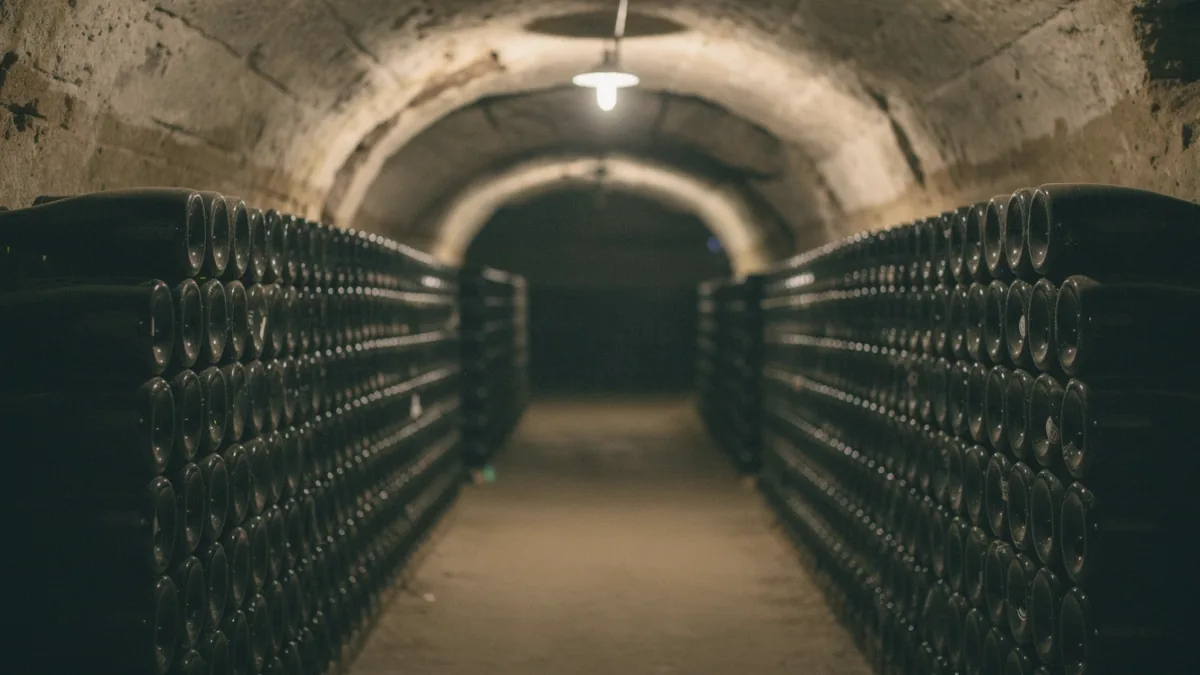
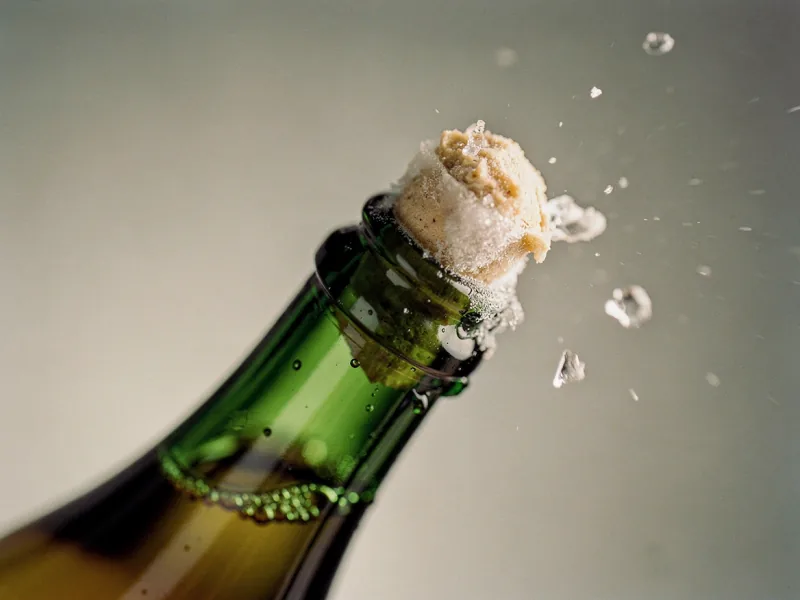
In the traditional method, the wine ferments a second time, inside the already sealed bottle. This produces carbon dioxide, a gas. It can't escape, so it dissolves into the wine. When the bottle is opened, it turns back into gas, and that's the fizz in your glass.
From still wine to sparkling wine
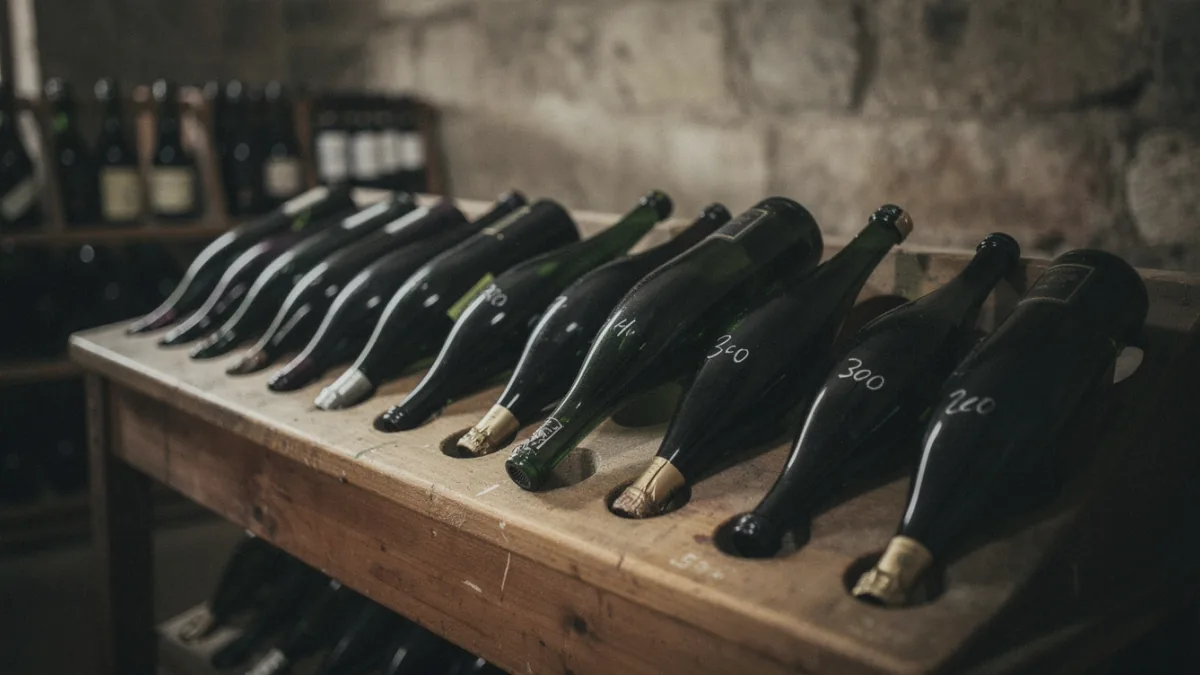
It starts with a still wine, meaning one without bubbles. The winemaker bottles it and adds yeast and a bit of sugar. Then the bottle is sealed. The yeast consumes the sugar and turns it into alcohol and carbon dioxide. Afterward, the wine rests on the lees for a while. Right at the end, these lees have to come back out before the bottle gets its final seal.
The sealed container is the whole trick. The gas has nowhere to go and dissolves into the wine, much like in a bottle of soda water. When you open it, the pressure drops. The dissolved gas turns back into bubbles that rise to the surface. This mechanism stays the same whether the second fermentation happens in a single bottle or in a large tank.
The differences lie in the details. In the traditional method, the wine stays in the exact bottle it fermented in. There it rests on the lees for as long as the producer sees fit. At the end comes a tricky task: the lees must come out, while the pressure has to stay. This step is called disgorgement. Only afterward does the bottle get its final closure.
It's precisely this extra step that makes the method labor-intensive. Every bottle goes through the process individually. In a tank, by contrast, a large volume is finished all at once and then bottled. For you, in the glass, this is at first just information about the path taken, not about the destination.
What you can actually taste from this
When buying, ask instead how the finished wine smells and tastes. The term "bottle fermentation" won't tell you that. It only tells you how the wine was made. Whether you like the aroma and mouthfeel also depends on the grape variety, the sweetness level, and the wine's age.
A comparison helps with learning. Place a fruity, tank-fermented sparkling wine next to a bottle-fermented one that's described as smelling of pastry. Keep the sweetness level similar in both, otherwise you'll end up comparing sugar rather than anything else. Write down your own impressions before reading the description. You don't have to smell bread crust just because someone put it on the label.
Separate the method from the result here. A bottle-fermented wine with a short lees aging can come across as lean and fresh. Another one with pronounced yeast notes doesn't have to appeal to you just because the process behind it took more work. More effort in the cellar doesn't automatically mean more enjoyment in the glass.
A calm approach helps when tasting. Take two glasses of the same shape and pour both wines equally chilled. Smell first, without swirling. Then pay attention to the fizz in your mouth: fine and lingering, or coarse and quick to fade. Note your impression in your own words. That will teach you more than repeating label vocabulary.
What Bottle Fermentation Doesn't Automatically Mean
A common misconception is that someone pumps the gas into the wine afterward. During the second fermentation, it's produced within the wine itself, as the yeast processes the sugar. The winemaker's job is simply to make sure it can't escape.
The second misconception concerns quality. Bottle fermentation is not a seal of quality. The term describes a production method, nothing more. It says nothing about grape variety, sweetness level, ripeness, or the care taken with the base wine. Two bottle-fermented wines can differ from each other more than a bottle-fermented wine differs from a tank-fermented one.
Yeasty notes are neither a fault nor a requirement. Some people like the impression of pastry or bread crust. Others are looking for pure, clear fruit. That's a matter of taste, not a ranking.
At the Shelf in the Store
First look at what's said about the finished wine. The information about the method comes second. If the back label or price tag only mentions bottle fermentation, you still know very little. The sweetness level and a few words about aroma and mouthfeel are more helpful.
If you're genuinely interested in the topic, buy two bottles and open them the same evening. Side by side, you'll notice things you'd overlook individually: the aroma, the fineness of the bubbles, the finish. A single drink tasted alone is almost always judged too kindly or too harshly.