Glera and the Hillside Varieties
Grape Varieties
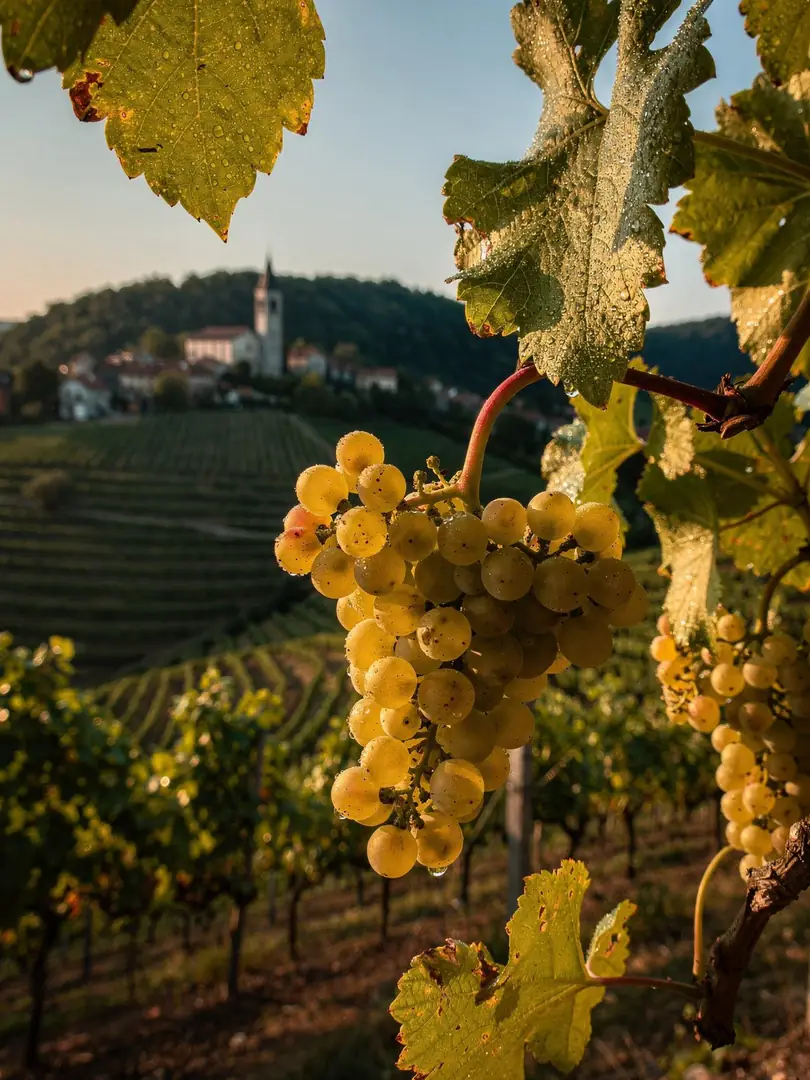
Everything revolves around Glera. At least 85 percent of the wine must come from this white grape, which itself long went by the name Prosecco. Since 2009, that name belongs solely to the appellation, since a varietal name would have undermined the protection of origin.
Why is Glera suited to sparkling wine? It yields light, floral, fruity base wines with fresh acidity, scented with apple and white blossom. Such wines don't need years on the lees. They taste best while the fruit is still vibrant, and that's exactly what the tank method is made for.
Glera is considered semi-aromatic. It has a pronounced fragrance without becoming as exuberant as a Muscat, which keeps the sparkling wine calm and clear. With around eleven percent alcohol in the finished wine, these wines are light, explaining their popularity as an aperitif.
The remaining share, up to 15 percent, may come from old hillside varieties: Verdiso, Bianchetta Trevigiana, Perera, and Glera lunga. These are varieties that have long grown alongside Glera in the hills.
According to 2024 consortium figures, about 465 hectares lie within the Rive and just over 100 hectares in Cartizze. Everything else, more than 8,000 hectares, is Superiore without any further designation—Glera across the board.
Harvest falls in late summer and stretches over several weeks, because the slopes ripen at different rates: the lower, warmer sites come first, the higher, cooler ones last. There's no rosé in this DOCG. Anyone familiar with Prosecco from the plains will recognize the same grape here—the difference lies in the slope and the handwork.