The short answer
Muscat isn't a single wine. Behind the name lies an entire family of grape varieties. Their wines often smell of fresh grapes and blossoms. There are dry versions and there are sweet ones. Some are even sparkling.
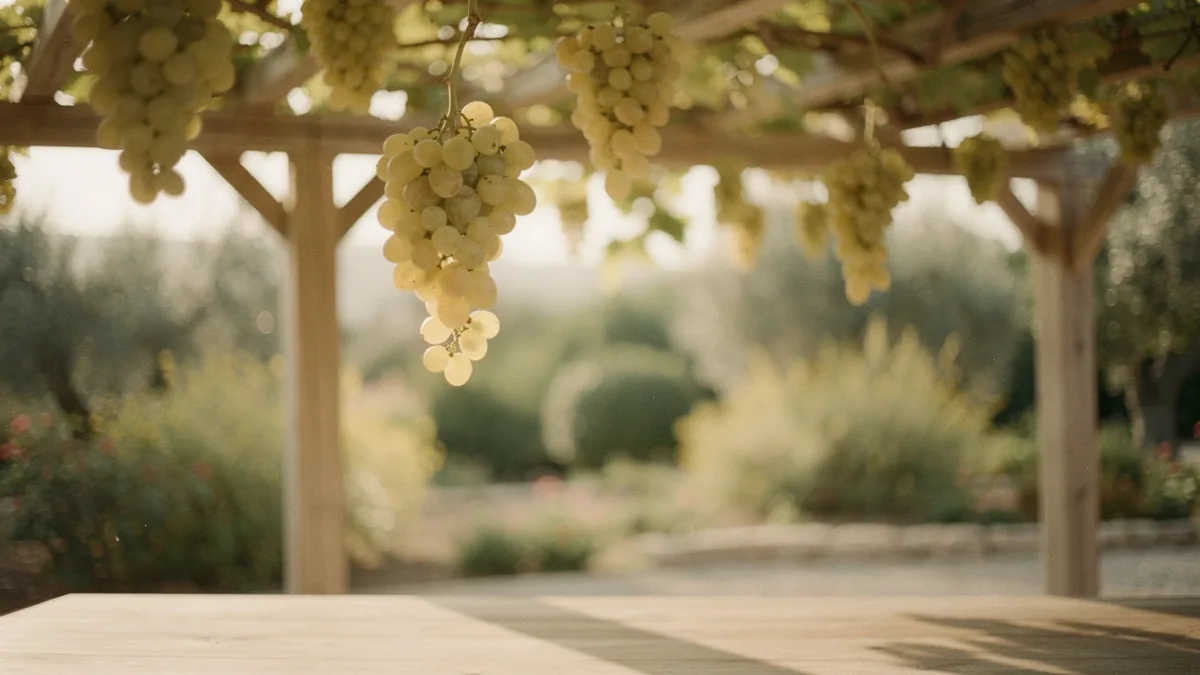
A family name, not a single variety
If the menu just says Muscat, half the information is missing. Ask for the specific variety and the style. Muscat Blanc (Gelber Muskateller) is a well-known member of the family. Because the varieties are related to each other, many descriptions sound similar.
An intense grape aroma doesn't tell you how sweet the wine will be. Rely on the product's stated information for that instead. And taste it as soon as you get the chance.
The name functions like a family name. It tells you who's related to whom. It doesn't tell you who exactly you're dealing with. That's why asking about the variety and style gets you further than the single word on the menu. Whoever is pouring usually knows the answer and is happy to share it.
Aroma and sweetness register for you in two different places. You perceive the grape aroma with your nose. You taste the sweetness only on your tongue. So a wine can smell strongly of fresh grapes and blossoms and still turn out dry in the mouth. That's not a contradiction. This is exactly where expectations about fragrant varieties tend to diverge.
What to base your impression on
When tasting, first ask yourself whether you enjoy the floral, fruity aroma. Judge the sweetness afterward. That way you won't accidentally lump the two impressions together.
A small experiment is worthwhile: a dry Muscat and a sweeter one side by side. It's not about having as much choice as possible at once. Two small samples are completely sufficient. They show you how roughly a family name like this describes a flavor direction.
Keep a fixed order for the comparison: dry wine first, then the sweeter one. The other way around, the sweetness overwhelms everything. The dry wine will then seem harsher than it really is. A sip of water in between is enough of a break. This isn't a test. You just need to feel the difference consciously once.
Your notes should include three things: the full bottle name, the stated style, and a sentence about your impression. That's all you need. At your next purchase, you won't be left puzzled by the bare word Muscat again. You'll have a reference point to guide you.
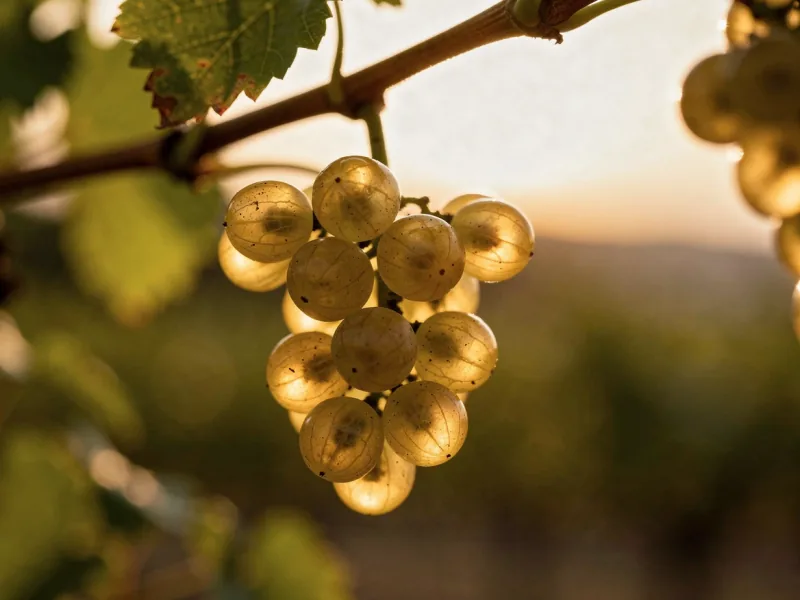
How to find a Muscat you'll enjoy
With the following steps, the order matters: first the exact variety, then the style, then your own impression.
This order exists for a reason. If you ask about the style first and the variety second, you'll often get an answer about a completely different bottle. And if someone just tells you the wine is aromatic, you still won't know anything about the sweetness. In that case, feel free to ask again.
| Step | Specific question or action |
|---|---|
| In conversation | Which style is it: still, sparkling, dry, or sweet? |
| On the label | Muscat is a family name. |
| When tasting | Do I enjoy the grape and blossom aroma? |
| Your comparison | Clarify the specific version and sweetness before buying. |
Muscat isn't a single variety
The most persistent equation is aromatic equals sweet. A strongly fragrant wine can be bone dry. A more restrained one can have residual sugar, meaning sugar that remains in the wine after fermentation. The aroma tells you something about the variety. The sweetness tells you something about the work in the cellar. With the first sip, the two easily blend together because nose and tongue work at the same time.
The second misconception concerns the name. Many use "Muscat" as though it referred to a single grape variety. But behind it stands an entire family. Muscat Blanc (Gelber Muskateller) is just one of its well-known members. If two bottles with the same word on the label taste different, this is often the explanation.
Ordering Muscat at a restaurant
Wine lists usually just show the name. Two quick questions will help you further. Which exact variety is being poured? And is the wine made dry? If there's also a sparkling version, ask about that in the same way. Sparkling means neither automatically sweet nor automatically dry.
Wines by the glass are the most affordable opportunity for your comparison. Two small glasses side by side cost less than two full bottles. They answer the question just as well. Afterward, note which version you preferred, along with the full name from the menu.