Dry Tropics
Altitude & Climate
Whitsundays sounds like dream beaches, not agave country. Yet the farm sits just a few meters above sea level, a huge contrast to the highlands of Jalisco, which lie at 1,500 to 2,000 meters. There, thin high-altitude air and cool nights let the agave ripen slowly. In Queensland, it's the flat coastal plain and the tropical sun that take on that role instead.
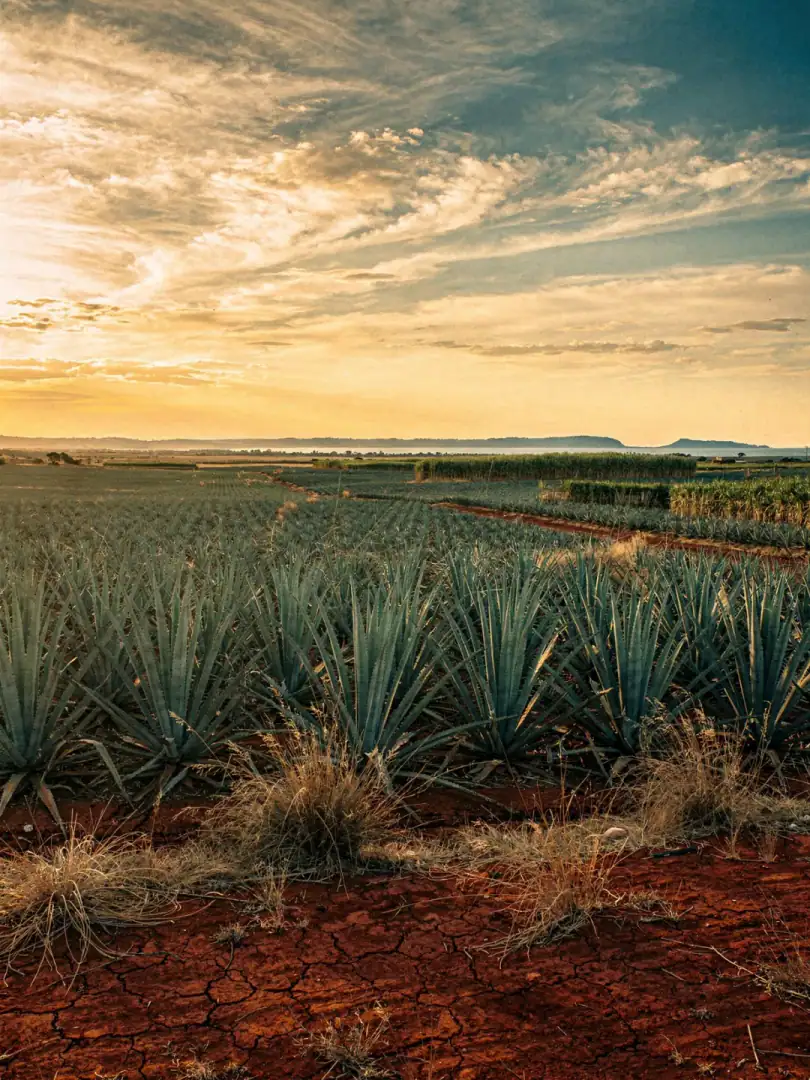
The region around Bowen calls itself the Dry Tropics. It's tropically warm all year round, yet there's a pronounced dry season when hardly any rain falls. In a scientific growing trial near the town of Ayr, not far from Bowen, Blue Weber Agave grew notably well. Researchers recorded around 947 millimeters of rain per year and mild, virtually frost-free winters.
Frost can pose a real danger to agave at the higher elevations of Mexico. In Queensland's coastal tropics, it's practically unheard of. Instead, Australian summers bring humid heat and occasional cyclones, weather the region's sugarcane has long been able to handle, and it seems agave copes just as well.
Abundant sunshine paired with year-round warmth means photosynthesis barely ever pauses. The piña therefore builds up its sugar continuously through the year, rather than in a short highland season as in Jalisco. It was precisely this combination of warmth, wet season, and dry months that convinced Top Shelf International. Bowen became the site for the largest agave farm outside Mexico.