The short answer
Tequila and Mezcal are both Mexican spirits made from agave, but each follows its own rules. Tequila may only be made from the Blue Weber agave. Mezcal can be made from many different agave species.
More than just clear versus smoky
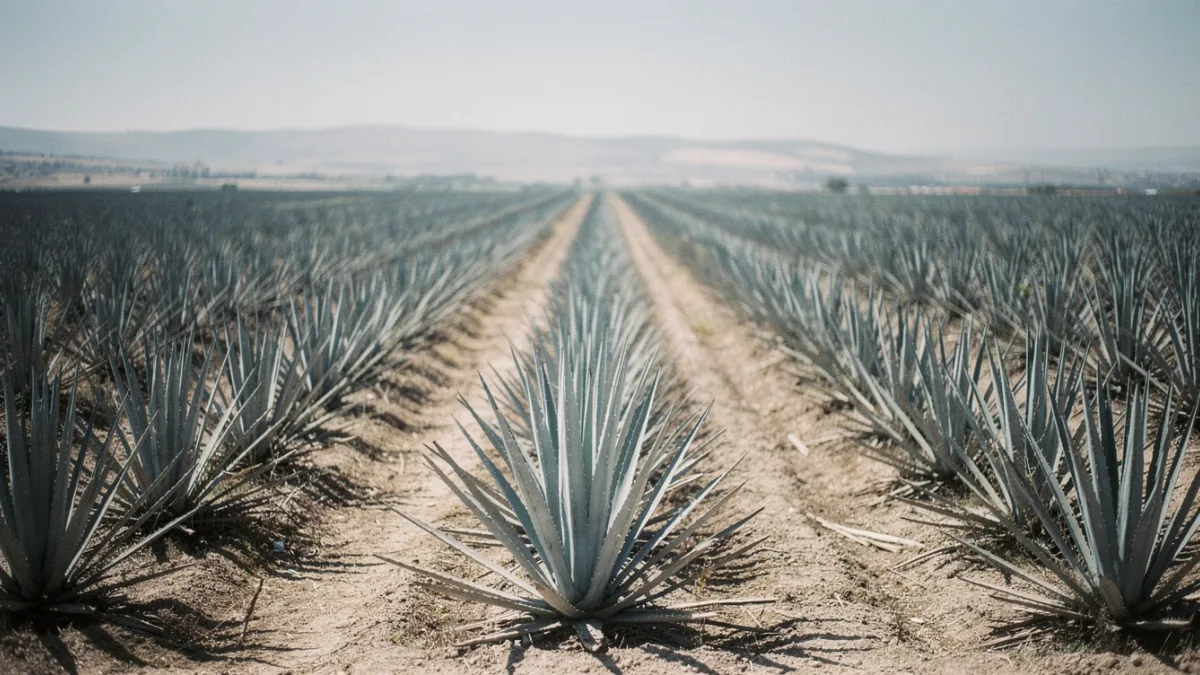
The agave is a plant with thick, fleshy leaves. What gets distilled isn't the leaf but the heart at the center. Both spirits start with this plant, but not with the same species.
Tequila is only permitted to use the Blue Weber agave. Mezcal, on the other hand, can be made from dozens of agave species. Espadín is the most common; Tobalá and Tepeztate are rare and priced accordingly. Each species brings its own character.
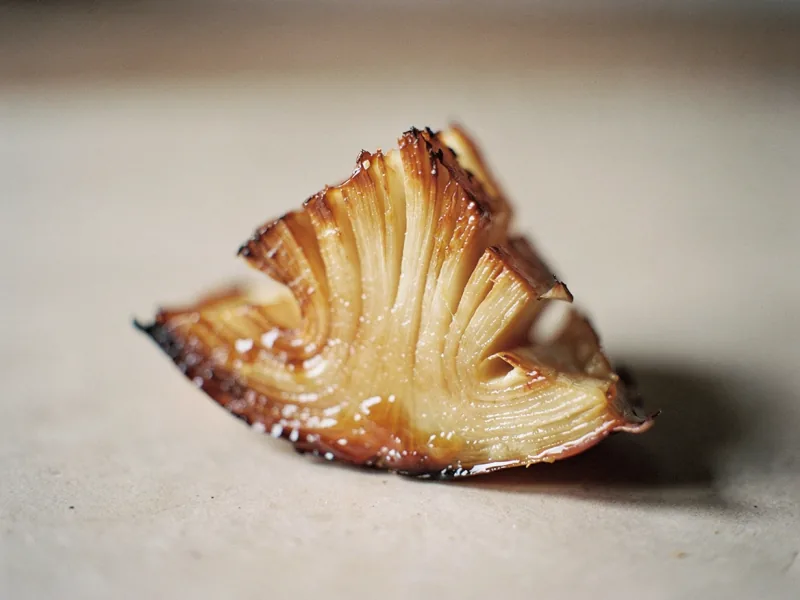
The smokiness in Mezcal comes from the cooking process. The agave hearts sit in earthen pits over glowing stones, often for days. Whatever smoke gets absorbed into the material during that time carries through into the distillate.
Tequila usually uses steam ovens or autoclaves. No fire burns there, so no smoke develops. Still, the claim 'Mezcal is always smoky' would be too sweeping.
Tequila labels sometimes read '100 percent agave.' This refers to the sugar source. It means the fermented sugar comes entirely from the agave.
How to choose your first samples
If you want to get to know the basic styles first, ask for a small sample without heavy barrel influence. Salt and lime aren't mandatory. Smell from a distance and jot down your own impressions, rather than just waiting for a smoky signal.
Compare origin, full designation, and proof. A darker color isn't sufficient proof of quality on its own. It can come from the barrel, but just as easily from other sources.
The familiar ritual of the quick shot says nothing about how broad a category's flavor range can be. You can get to know both spirits slowly, in very small samples. Equally, you could find a cocktail that suits you and start there.
Tequila and Mezcal side by side
Tequila uses the Blue Weber agave and its own protected origin. Mezcal follows different origin and production rules, along with various approved agave species. How the agave is treated before fermentation has a major impact on flavor, and traditional earthen ovens can contribute smokiness.
Not every Mezcal has to be heavily smoky, nor does every Tequila come entirely without roasted notes.
Four points really help you decide in the shop: agave, origin, flavor, and the question you ask at the counter. This isn't a complete classification system, just a shopping guide.
| Question | Tequila | Mezcal |
|---|---|---|
| Agave | Blue Weber agave | Various approved species |
| Origin | Protected Mexican designation of origin | Its own protected Mexican designation of origin |
| Flavor | Varies depending on production and aging | Varies depending on agave, production, and aging |
| Key shopping question | 100 percent agave? Which aging category? | Which agave, which producer, and which method? |
A good first use
For a Margarita or Paloma, a clearly labeled 100 percent agave Tequila is a natural starting point. Mezcal plays its role in a Naked and Famous or other recipes built around it. You can substitute one for the other in equal measure, though the swap is never flavor-neutral.
Agave takes years to mature. Depending on the species, it can take anywhere from six to over twenty years before a plant is ready to harvest. After that, it's spent and won't grow back.
This explains price differences better than any marketing line. It's also why rare agave species will remain expensive. A bottle from a rare species isn't automatically better for it — just harder to come by.