The short answer
Blanco, Reposado, and Añejo tell you how long a tequila rested in an oak barrel. Blanco is clear and showcases the agave — the plant from which tequila is made. Añejo tastes distinctly of the barrel. This isn't a ranking from worse to better. Both styles have their purpose.
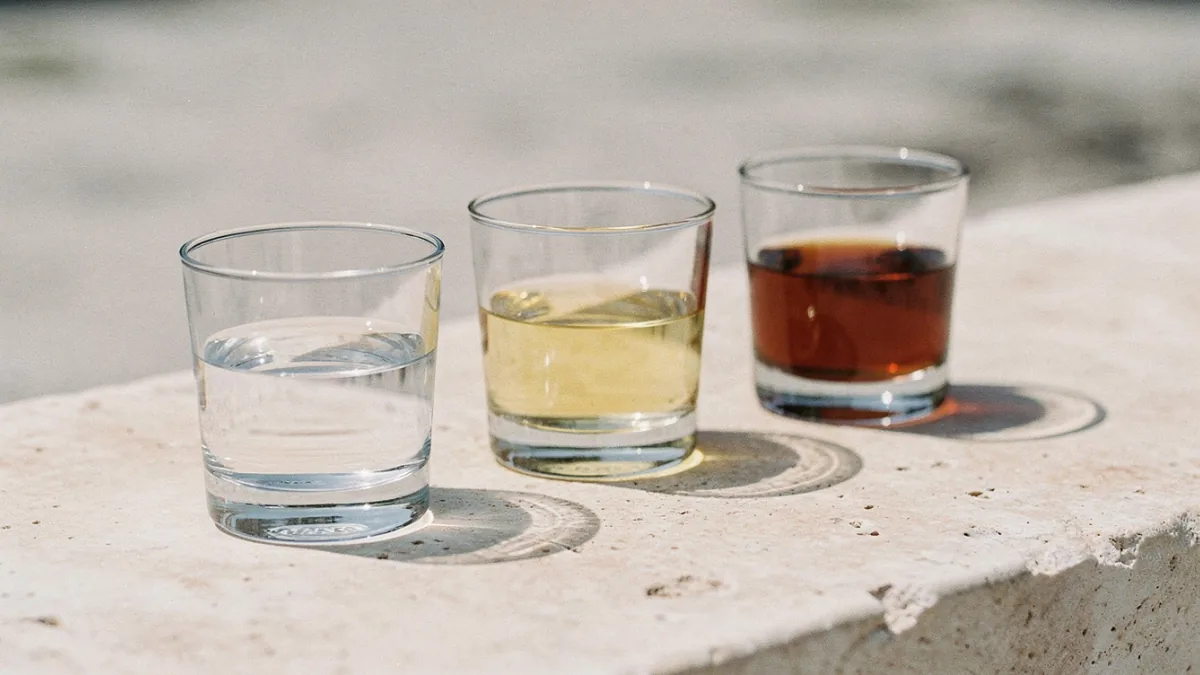
Blanco: agave front and center
Blanco is the clear tequila. It goes into the bottle without aging, or rests in the barrel only very briefly. That's why you taste mostly the agave itself. Many describe the impression as herbal, peppery, or fruity. Simple doesn't mean cheap here. For Margaritas and Palomas, Blanco is the usual starting point.
For getting to know tequila, Blanco is the most honest choice. Without wood, what's in the glass reflects what the agave and the distillery bring. An Añejo leads in the other direction. There, you taste the barrel first. And barrel character tends to taste similar across many spirits. That makes the tequila resemble other aged spirits more than it stands out on its own.
Color is a clue with tequila, not proof. A Blanco is crystal clear, an aged tequila golden to amber. But color alone won't tell you how the bottle was made. For that, you need the information on the label.
Reposado, Añejo, and Extra Añejo
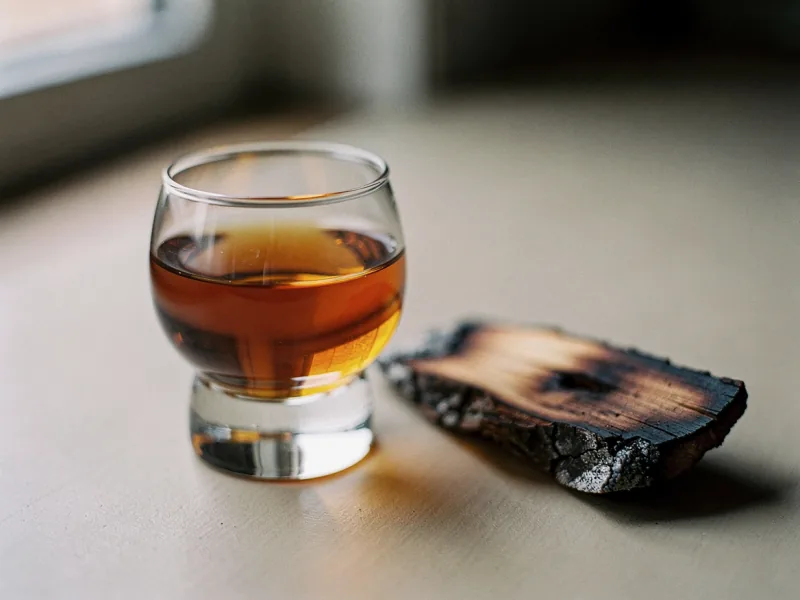
Reposado rests in the barrel for at least two months. Añejo for at least one year, Extra Añejo for at least three years. The wood imparts color and often vanilla and spice notes too. But more time in the barrel doesn't mean you'll enjoy the tequila more. The real question is different: how much agave character do you still want to taste?
A Reposado sits in the middle, flavor-wise. The agave is still there, with the wood laid over it. Many find this the easiest entry point. An Añejo feels rounder because the barrel had more time to work. Which level suits you is something you'll discover fastest by comparing them side by side.
The stated times are minimums. A distillery may age longer than the category requires. The label therefore only shows the category name, not the actual duration. So two bottles of Reposado may have spent very different amounts of time in wood.
What "100 percent agave" means
This label statement concerns the sugar from which the alcohol is made. It has nothing to do with aging. A bottle can be both 100 percent agave and Reposado at the same time. Read both pieces of information separately. Neither the golden color nor a big number on the front tells you the whole story of how it's made.
The counterpart is called Mixto. There, only 51 percent of the sugar must come from agave. The rest comes from other sugar sources. The word Mixto almost never appears on the bottle. You can spot such a tequila by the absence of the phrase 100% de agave. Here, that absence is itself the telling detail.
Many people report bad experiences with tequila. Mixto is an obvious suspect. That's not proven, though. If you've only ever had bottles like that, it's still worth trying a 100 percent agave tequila. Only then is it worth passing judgment on the whole category.
Comparing for your own use
You learn the most by tasting side by side. Take small amounts of Blanco and Reposado from the same product line, ideally at similar proof. Keep everything else the same. That way you'll see exactly what the barrel changed.
In cocktails, stick at first with the style the recipe calls for. A heavily barrel-driven tequila shifts the balance. Citrus and bitterness then behave differently than intended. You don't need the salt-and-lime ritual. That belongs to a particular way of drinking, not to tequila itself.
The aging times seem short once you compare them to whisky. Two months is enough here for a Reposado. That's due to the climate: in the warmth of Jalisco, a barrel works faster than in a cool warehouse. A number alone therefore tells you little. The category tells you more.