Prohibition and Protection
Region & History
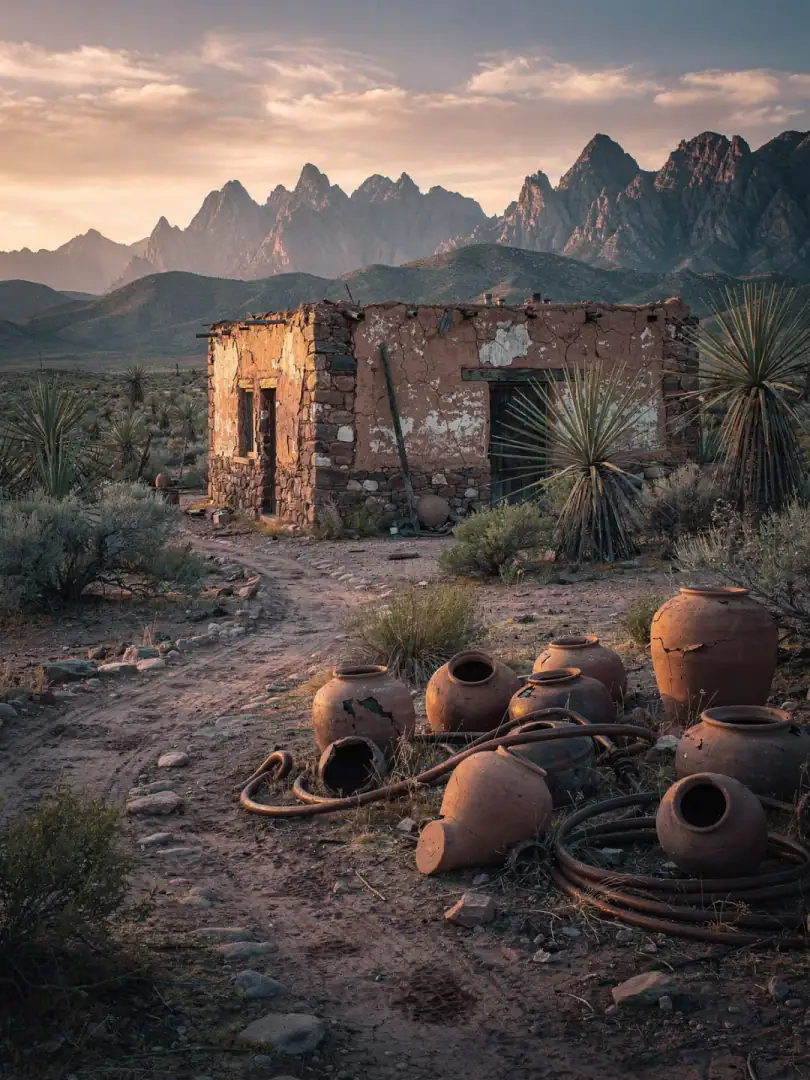
Long before the first Spaniards reached the Sierra Madre Occidental, the Rarámuri of northern Mexico fermented the sap of the desert plant Dasylirion into a light, beer-like drink. They called it Sereque. It was neither tequila nor mezcal, but a drink all its own from the Chihuahuan Desert, centuries before any Denominación de Origen existed.
Distillation only arrived in the country in the 16th century, brought by Filipino sailors who landed on Mexico's west coast aboard the Manila galleons. The fermented Sereque thus became a distilled spirit. The Spanish colonial powers quickly saw it as competition for wine and brandy, and pushed the indigenous brewing craft underground.
For centuries, Sotol remained a drink of the Sierra, distilled in small stills far from the cities and beyond any oversight. Ranchers and Rarámuri distilled it for their own use and for the neighbor next door, not for export. Recognition was slow to come; for a long time it carried only the reputation of a rough farmer's spirit.
That changed in 2002, when Mexico declared Sotol a protected designation of origin, enshrined in NOM-159-SCFI-2004. Since then, the name may only be used for spirits distilled from Dasylirion grown in Chihuahua, Coahuila, and Durango. The heartland remains the Chihuahuan Desert, covering all 67 municipalities of the state, but all of Coahuila's 38 and Durango's 39 municipalities also officially fall within the protected zone.
Today, old family operations like Sotol Por Siempre, whose recipe has been passed down for six generations, stand alongside larger names like Hacienda de Chihuahua from Delicias. Cooperatives such as Clande bring together recipes from various towns across the state. At last, Sotol can proudly call itself Sotol, no longer mezcal, and never tequila.