Barrique Meets Biodynamics
Winemaking
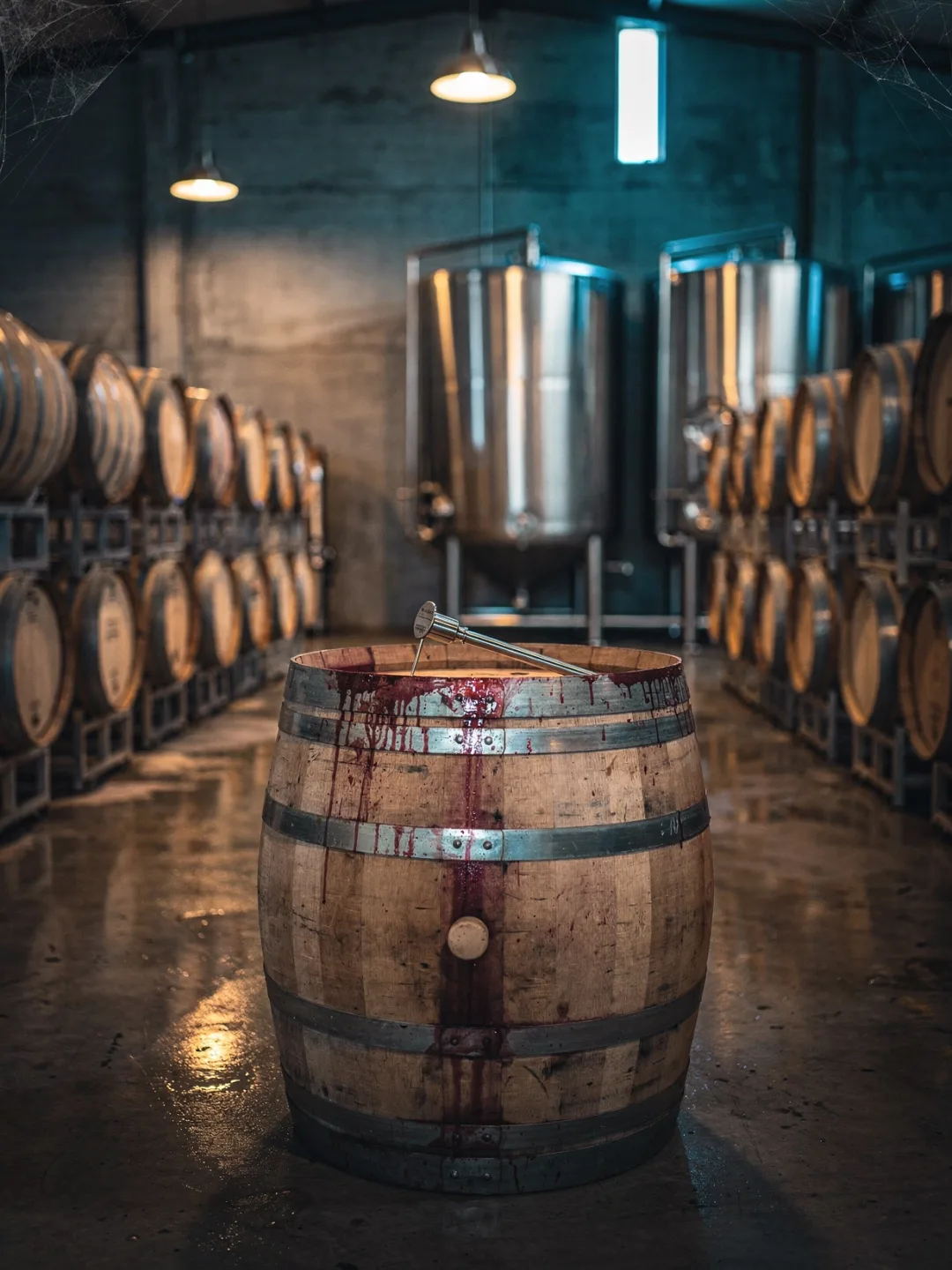
With the Cabernet blend, cellar work proceeds much as it does in Bordeaux, just with Australian sunshine at its back. After fermentation on the skins, the wine typically ages one to two years in small French barriques of 225 liters, often only partly new. The oak is meant to support the fruit, not overpower it.
With Chardonnay, things go differently, and the difference began in the 1970s at Leeuwin Estate. Winemaker Bob Cartwright fermented the must there in barrel instead of stainless steel, let wild yeasts do the work, and mostly skipped malolactic fermentation. Acidity alone called the shots. That decision became the house style the region is still known for today: powerful, but never polished smooth.
The Gingin clone doesn't make this cellar work any easier. Its unevenly sized berries press out at different rates, and good Chardonnay here therefore demands patience rather than haste: multiple pressing runs, separate barrels. Only at the very end does the blend come together.
With the white blends of Semillon and Sauvignon Blanc, the cellar deliberately holds back. Part of the batch ferments in used oak for texture, the rest in stainless steel for freshness, and the two come together after a few months. Then the wine goes into bottle.
Cullen Wines in Wilyabrup took its own path. The estate had its vineyard certified organic in 2003, followed by biodynamic certification in 2004, and later Cullen became the first winery in Australia to be certified climate-positive. It removes more carbon from the atmosphere than the operation emits. Other estates in the region have since followed with their own organic and sustainability programs.