A Glass for Carignan
Glassware
Two wine cultures live side by side in Maule, and each calls for a different vessel. One is Pipeño, unfiltered and quickly fermented from País or Cinsault, traditionally poured for generations straight from the barrel into jugs or plastic containers. This wine never traditionally knew a glass. It's drunk during Fiestas Patrias straight from the cup, served cool, without ceremony.
A VIGNO Carignan from Cauquenes demands exactly the opposite. It carries substantial tannin from the old bush vines and considerable acidity from the variety itself, and a glass first has to be able to hold both in check. Too narrow, and everything feels cramped. Too wide, and the acidity juts out sharply before the fruit even has a chance to unfold.
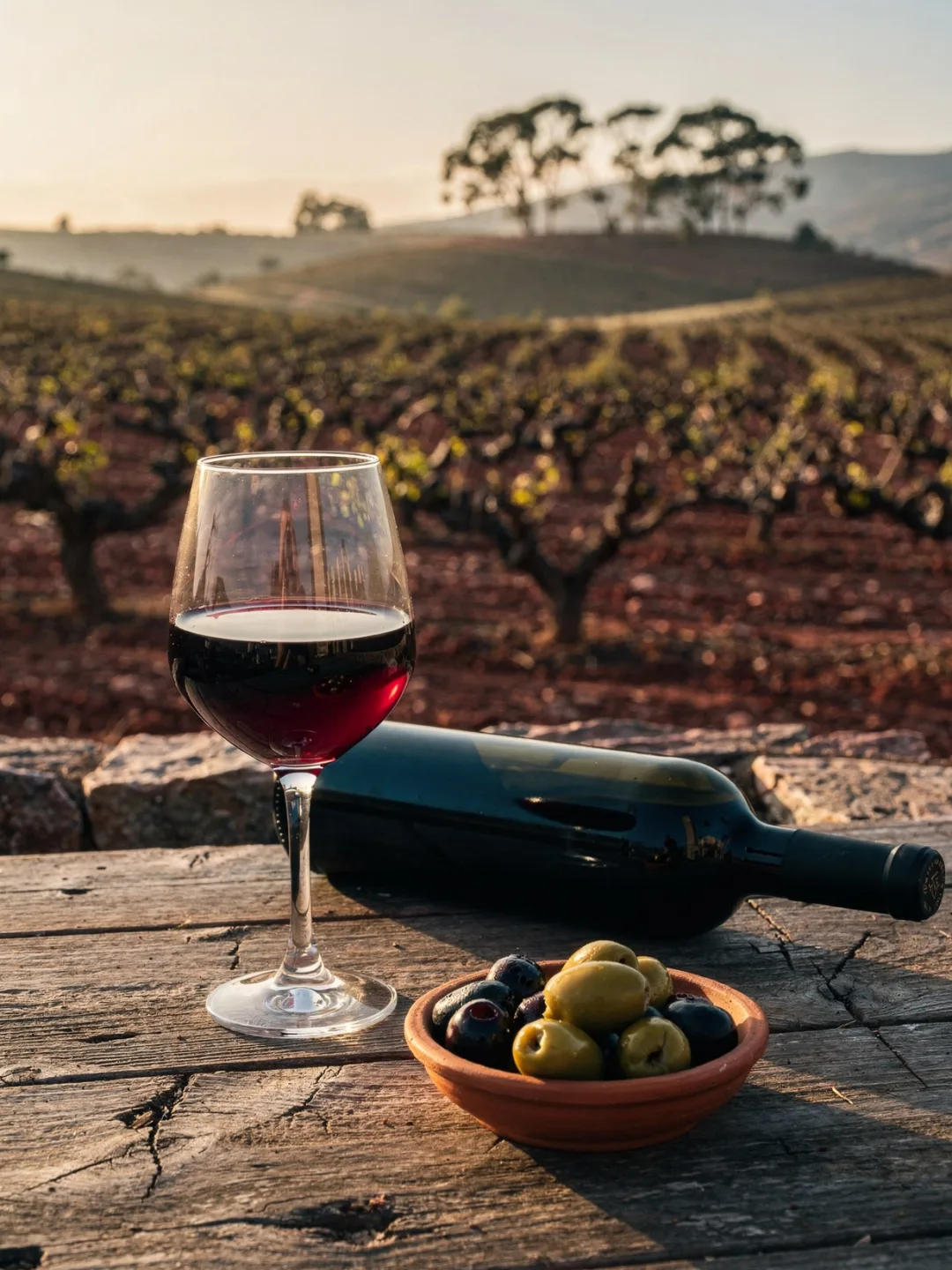
A medium-sized glass with a round bowl and an opening that narrows gently hits the sweet spot, since the bowl gives the wine room so that sour cherry, pepper, and the dry herbs of the hillside can actually show themselves. The narrow opening then holds that aroma together instead of scattering it immediately.
Temperature depends partly on where the grapes come from. A young, fresh wine from the irrigated plains handles fourteen to sixteen degrees Celsius, straight cool from the fridge. A Carignan from thirty-year-old Cauquenes vines, on the other hand, needs sixteen to eighteen degrees, or its herbal notes vanish behind raw acidity. Twenty minutes in the fridge is enough for either case.
Old Carignan vines often yield wine with noticeable sediment, especially when lightly filtered. A half hour in a decanter before serving rounds the wine out, makes it more approachable, and separates the sediment from the glass at the same time. Pipeño needs none of this. It's meant for immediate drinking, not for waiting, and that's exactly where its whole charm lies.