Dry and Old
Winemaking
Two completely different cellars sit side by side in Maule. Down on the irrigated valley floor, large operations ferment their Cabernet Sauvignon in climate-controlled steel tanks, computer-monitored and built for volume. Up in the Secano Interior, the work looks entirely different. There's no irrigation there, and often not even a tractor between the rows.
The old Carignan and País vines grow as bush vines, trained Chilean-style as vaso, without wire or stake. This shape can't be harvested by machine. Tractors are mostly absent too. So everything is picked by hand, bucket by bucket, under the late-March sun. Anyone working here knows their vines individually.
Around 2010, twelve wineries agreed on fixed rules for what is now called VIGNO. The wine must contain at least sixty-five percent Carignan from unirrigated bush vines at least thirty years old, blended with other old varieties from the same dry zone. At least twenty-four months must pass in barrel and bottle before release, and a tasting panel evaluates every vintage before it's allowed to carry the label.
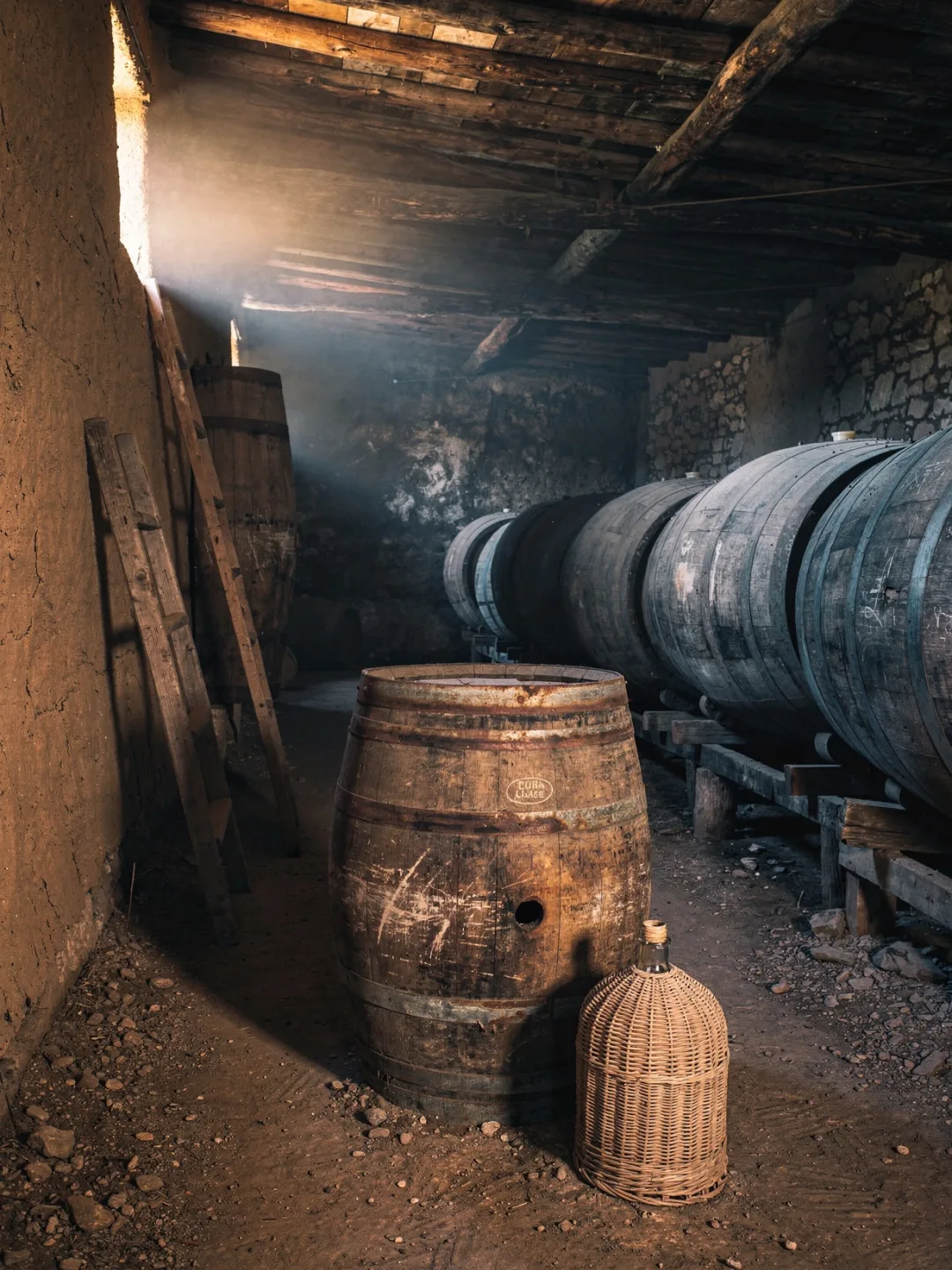
The 2010 earthquake revealed just how vulnerable the other side of production can be. Unsecured steel tanks burst under the tremor like tin cans, spilling millions of liters of wine. Small producers in the Secano Interior, who worked with old barrels rather than tanks anyway, lost almost nothing by comparison, and that same year independent winemakers across the country founded the MOVI movement to give this small-scale, artisanal work more visibility.
New oak plays almost no role here. Time matters more than technique. Most VIGNO wines age in used barrels, often already decades old, which no longer impart vanilla flavor but simply let oxygen pass through slowly. What's left in the glass is exactly what grew on the granite: fruit, herbs, and a dry, faintly dusty finish.