On Old Carignan
Tasting
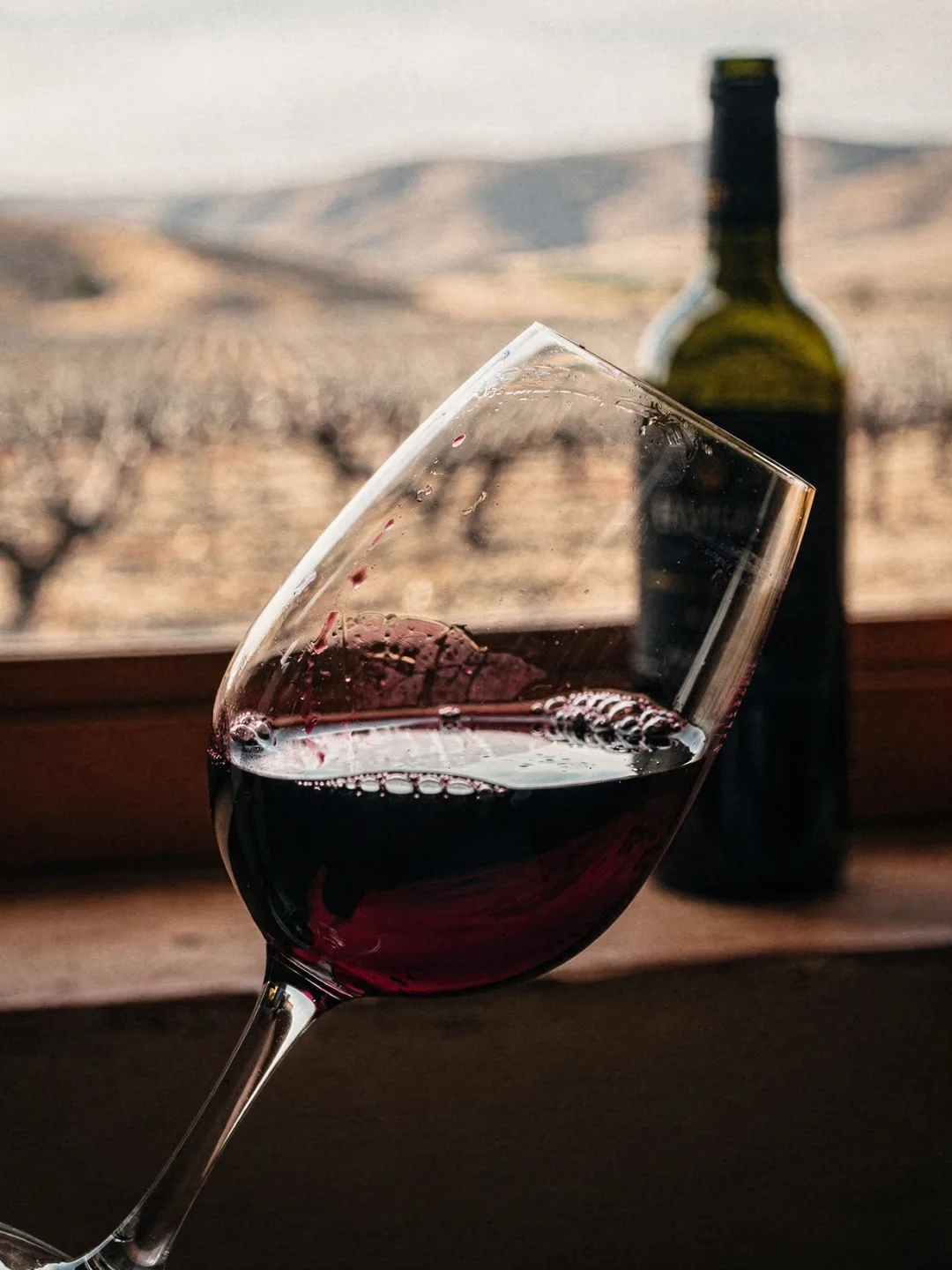
Take a wine bearing the VIGNO seal on the neck of the bottle and hold it up to the light. The color is deep garnet, nearly opaque at the core. That's surprising once you know that part of the blend comes from the pale País variety. Carignan carries the color here almost single-handedly, and it's enough for both.
Smell it twice, as with any serious wine: once still, once after swirling. In the still glass, dark plum comes first, sometimes blackberry too. After swirling, what takes longer to rise follows: dried herbs from the dry hillside, black pepper, and in some vintages a fine salty note that connoisseurs attribute to the granite of Cauquenes.
On the palate, acidity announces itself first, along the sides of the tongue, a legacy of the Carignan variety. Then comes the tannin, noticeable but not harsh, since thirty-year-old vines naturally yield softer tannins than young ones. Together, both hold the wine upright without weighing it down, despite the dark color in the glass.
Now compare that same sip with a Pipeño from the same area. It's pale, nearly translucent, with aromas of red berries and a touch of yeast. No tannin holds it back, no aging has shaped it. Between these two glasses lies the entire range of Maule: from the everyday bottle to the decades-old bush vine.
Finally, count how long the flavor lingers after you swallow. With a good VIGNO wine, that's ten to fifteen seconds, carried by fruit and a dry, almost dusty finish that recalls the earth the vines pulled it from. A Pipeño usually ends after two or three seconds. Both wines stay honest to where they come from.