Cooperative and Estate Owner
Production
Hardly anywhere else in Germany do two wine worlds stand so close together as in Baden. Around seventy percent of Baden's vineyard area is farmed by winegrowers who press their grapes together, often through a village cooperative and ultimately through the Badischer Winzerkeller cooperative in Breisach, the largest wine cellar in Europe. Nationwide, this cooperative share is only around thirty percent. In total, Baden counts around seventy such winegrowing cooperatives, most of them considerably smaller than the Winzerkeller in Breisach.
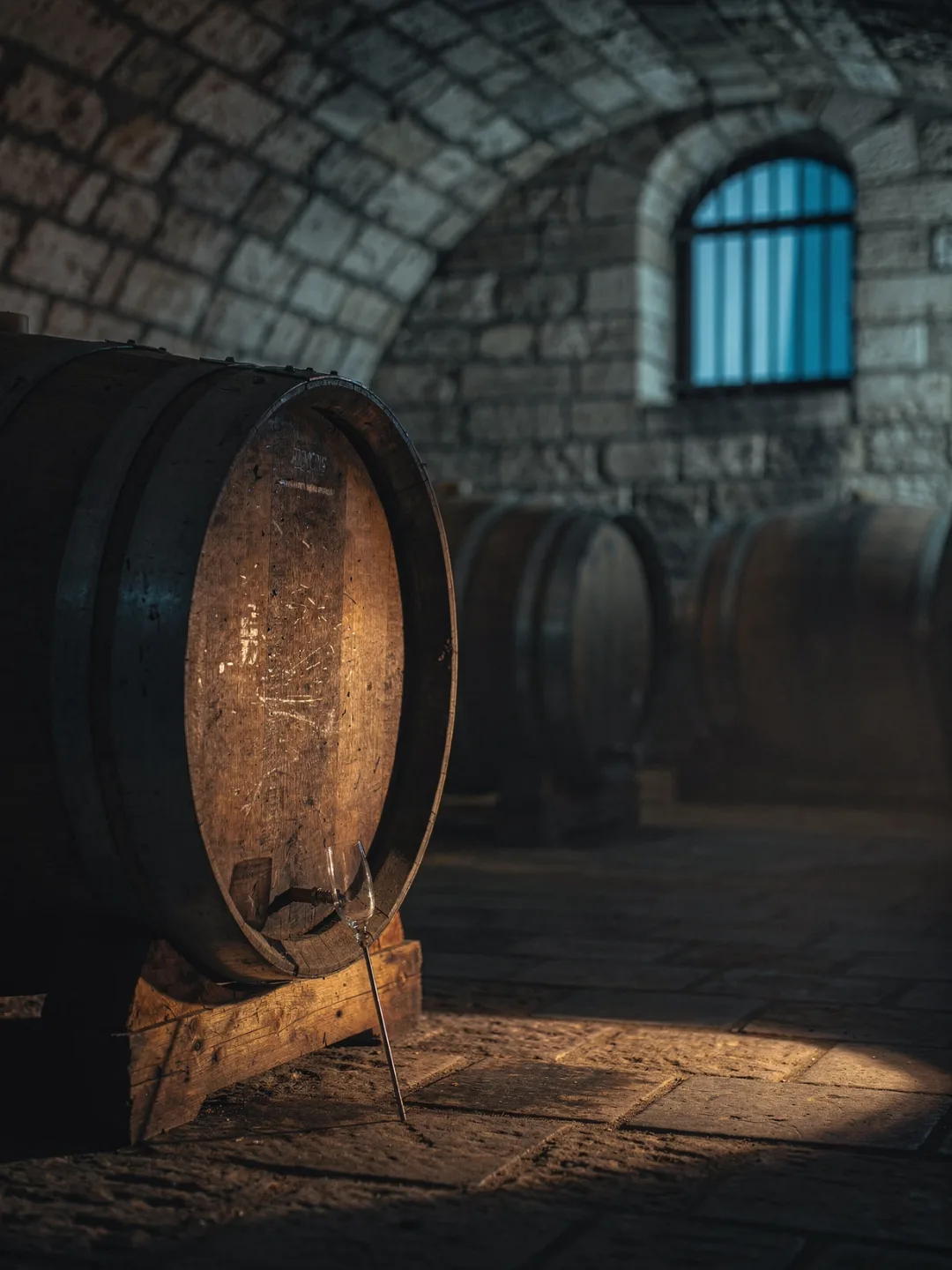
On the other side stand individual estates working in exactly the opposite way: keeping yields as low as possible, working single vineyards, running their own cellar. Estates like Bernhard Huber in Malterdingen or Joachim Heger in Ihringen now often vinify their Spätburgunder in small barriques made of French oak. This method only arrived from nearby Burgundy in the 1980s. Before that, Baden red wine matured almost exclusively in large, neutral wooden casks that impart hardly any flavor of their own.
With Klingelberger from Durbach, it's the reverse. Where other Rieslings ferment in stainless steel tanks to preserve fruit and freshness, the Original-Klingelberger from Schloss Staufenberg traditionally matures in a large wooden cask. For a Riesling, this is a real exception. Only a handful of estates in the entire Ortenau still hold to this old method.
Between both worlds stands the harvest itself. On the Kaiserstuhl, the ripest Spätburgunder grapes for a Grosses Gewächs are hand-picked and pre-sorted right in the vineyard, since a single damaged berry can spoil the entire batch. Simpler cooperative fruit often arrives at the cellar by machine harvest. Both paths lead to wine, just rarely to the same wine.