Sec to Doux
Winemaking
No other region makes so many styles from so few varieties as the Loire. The very same Chenin Blanc is vinified dry, off-dry, sweet, or as sparkling wine. In the end, the label often tells you just one thing: how sweet the wine really is — sec, demi-sec, moelleux, liquoreux.
With Muscadet, it's not sweetness that matters but aging. The young, generally quite neutral wine rests on its fine lees after fermentation, at least until the first of March the following year, often in underground concrete tanks. This is where the designation sur lie comes from. Fine bread and nutty notes migrate from the lees into the wine, along with a touch of natural carbon dioxide that gives it a slight prickle on the tongue.
The noble-sweet Chenin wines of the Coteaux du Layon, Bonnezeaux, and Quarts de Chaume, on the other hand, demand patience and several passes through the vineyard. The grapes stay on the vine until Botrytis cinerea, noble rot, shrivels them and concentrates the sugar — pickers often walk through the same vineyard three or four times, harvesting only the ripest berries each time.
With Cabernet Franc in Chinon and Bourgueil, time on the skins is what really counts. A short maceration produces a light wine, almost reminiscent of Beaujolais, meant for early drinking. Waiting longer extracts more color and tannin, but then the wine needs a few years in the bottle before the green bell-pepper note of young grapes turns into spice and violet.
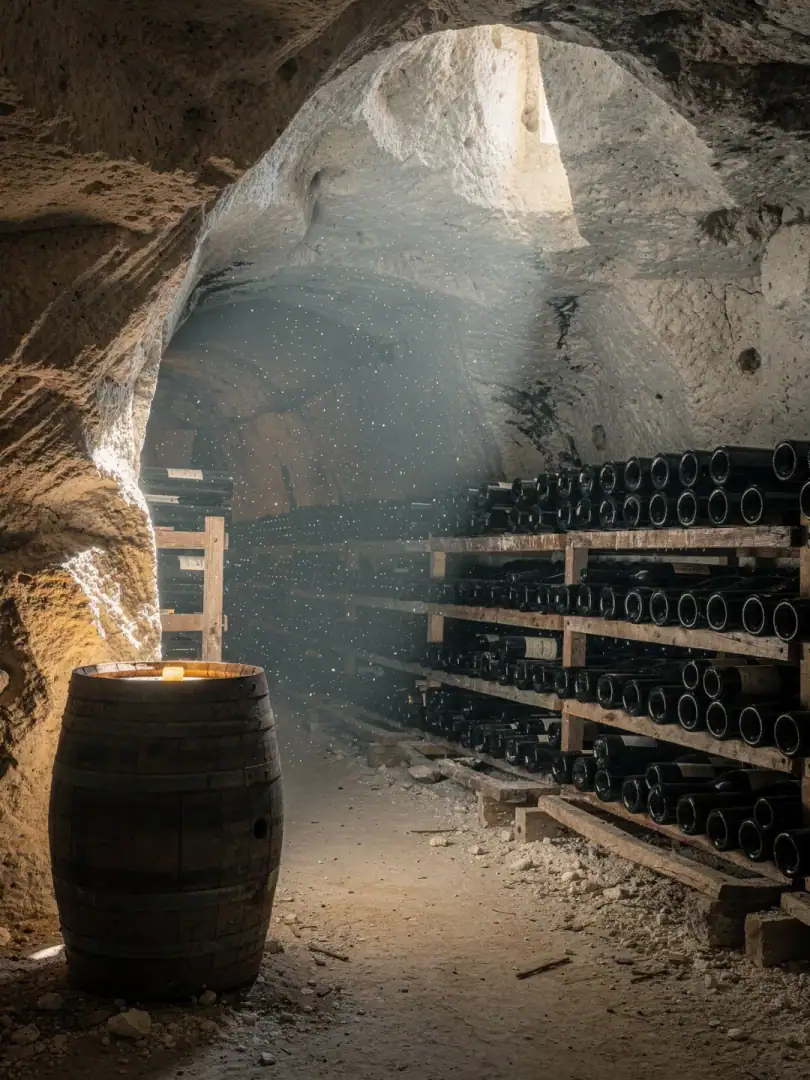
For Crémant de Loire, the méthode traditionnelle has applied since 1975. Hand-harvested into shallow crates, gently pressed, followed by a second fermentation in the bottle. The wine rests on its lees for at least nine months. Chenin Blanc forms the base, Cabernet Franc colors the rosé. The same two varieties that are otherwise bottled as still wine carry the bubbles here.