The short answer
A distinctly sweet wine usually suits a sweet dessert. A dry wine tends to seem harsh next to it and loses its fruit character. Always try the pairing with a full bite.
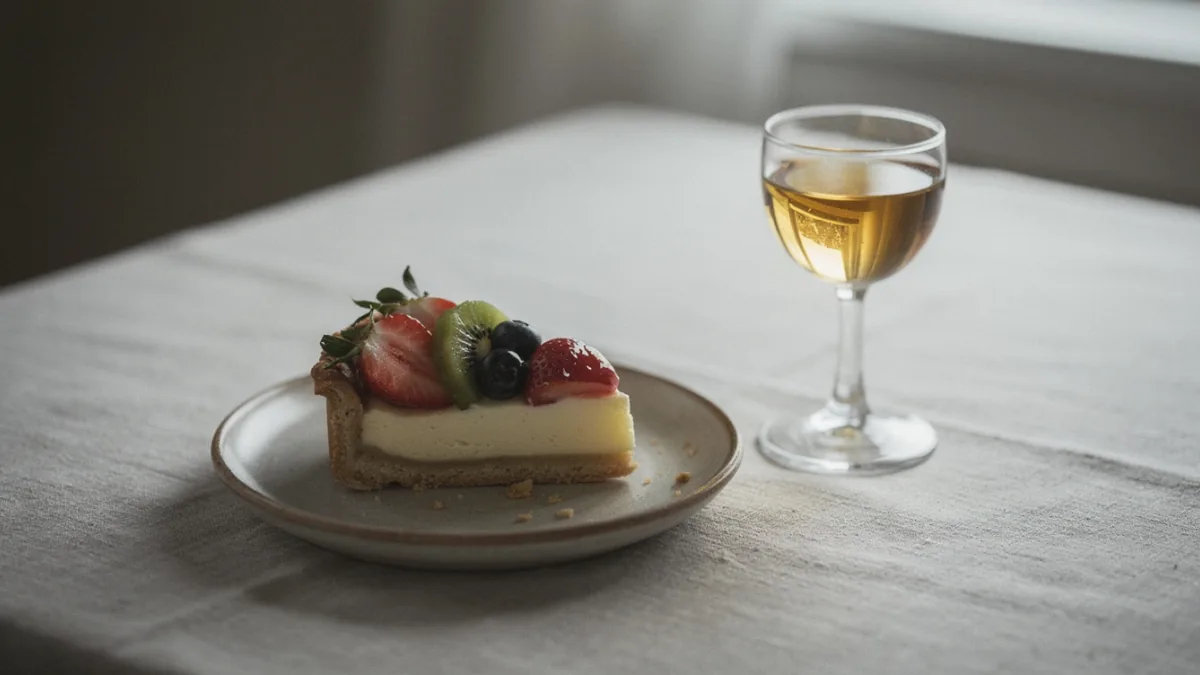
How sweet is the dessert really?
A fresh fruit platter, a heavily sweetened cream, and dark chocolate are three very different tasks. With a fruity dessert, I'd try a fruit-forward sweet wine. With a very sweet dish, a wine with only a slight residual sweetness often isn't enough.
Noble sweet wines are a large group with very different styles. Noble sweet means: a lot of sugar has remained in the wine, and you can taste it clearly. A designation like Auslese only roughly categorizes a bottle — nothing more. What actually ends up in the glass is best read from the specific bottle itself.
The reason for this order is simple. Sweetness on the tongue shifts your perception of everything that follows. If the dessert has more sugar than the glass, the wine's acidity moves to the forefront. The fruit then recedes. So get to know the dessert first, and choose the wine afterward.
Fruit, cream, and dark chocolate differ in more than just sugar. A fruit platter brings its own acidity. A cream brings fat and lingers in the mouth. Dark chocolate offers bitterness in contrast. So taste a spoonful on its own before reaching for the bottle, and ask yourself what stands out most. That determines how much sweetness the wine needs to bring.
Terms on the label help with a first selection. They don't replace actual tasting. Two bottles with the same designation can differ noticeably in sweetness and acidity. It's exactly this interplay that decides at the table. If you're unsure in the shop, buy a small bottle and test it with your dessert.
Small portions, clear decisions
First taste the wine on its own. Then take some dessert, followed by another small sip. Does the wine turn pleasantly fresher, or suddenly seem harsh? This observation matters more than any pairing that looks perfect on paper.
Dessert doesn't need a wine. Coffee, tea, or water are often the more enjoyable choice. After several courses, it's fine for the finish to stay simple. If a pairing worked well, write it down: dessert, sauce, wine. That way, you can find it again later.
Keep the portions genuinely small. A finger's width in the glass is enough for several rounds. Half a spoonful of dessert is enough to notice the difference. Taking large sips or bites tires the palate after just two pairings, leaving you tasting only sugar. A sip of water in between keeps the tongue receptive again.
Also pay attention to what sits alongside the actual dessert. A sauce, a fruit coulis, or a caramel note often changes the sweetness of the dish more than the pastry itself. So note both: the dessert and the sauce. Next time, you'll save yourself the guesswork.
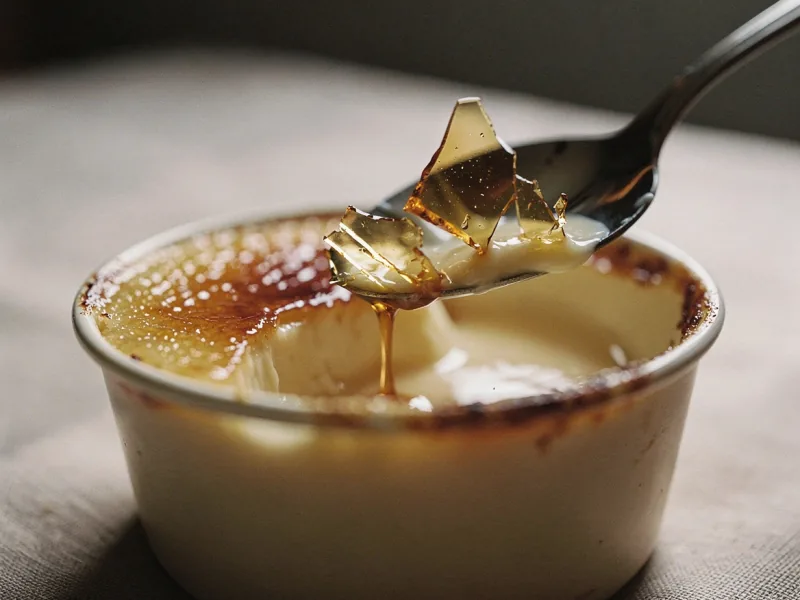
Which wine pairs with which dessert preparation?
All three lines boil down to the same question: Does the wine bring enough sweetness to hold its own next to this plate? A starting point for experimenting, not a rule.
| On the plate | Suggestion to try | What matters here |
|---|---|---|
| Very sweet dessert | A noticeably sweeter wine as a starting point | A dry wine can come across as less fruity and sharper. |
| Fruit-forward dessert | Consider sweetness and fruit acidity together | Taste the whole bite, not just the fruit alone. |
| Chocolate or cream | Compare intensity and sweetness | Cocoa, filling, and creamy components change the task. |
A sweet wine needs more sweetness than the dessert
Sweet doesn't automatically mean heavy. A distinctly sweet wine can feel remarkably fresh thanks to its acidity. A dry wine, on the other hand, can seem harsh next to a sugary dessert. Anyone who avoids sweetness in the glass on principle often ends up making the less fitting choice for dessert.
The second misconception is searching for the one perfect pairing. Several wines work with any given dessert. One of them might taste better to you than the oft-cited classic combination. Your own impression from the full bite matters more than any recommendation list.
And not every meal has to end with wine. After several courses the palate gets tired, and another glass can quickly feel heavy-handed. Coffee, tea, or simply water aren't a fallback in that case — they're the better choice.
Testing dessert against sweet wine
Take a single dessert and two wines with different sweetness levels. Set both glasses side by side. Taste each wine on its own first and jot down in two words how it comes across. Then comes the dessert, followed by another small sip of each wine. The difference between before and after is what this is all about.
Usually it becomes clear quickly which wine keeps its fruit next to the dessert and which one turns thin. The result applies to this one dessert. But with three or four such notes, you'll get a feel for your own taste. You'll then know how much sweetness the glass needs once something sweet lands on the plate.