Pale in the Glass
Glassware
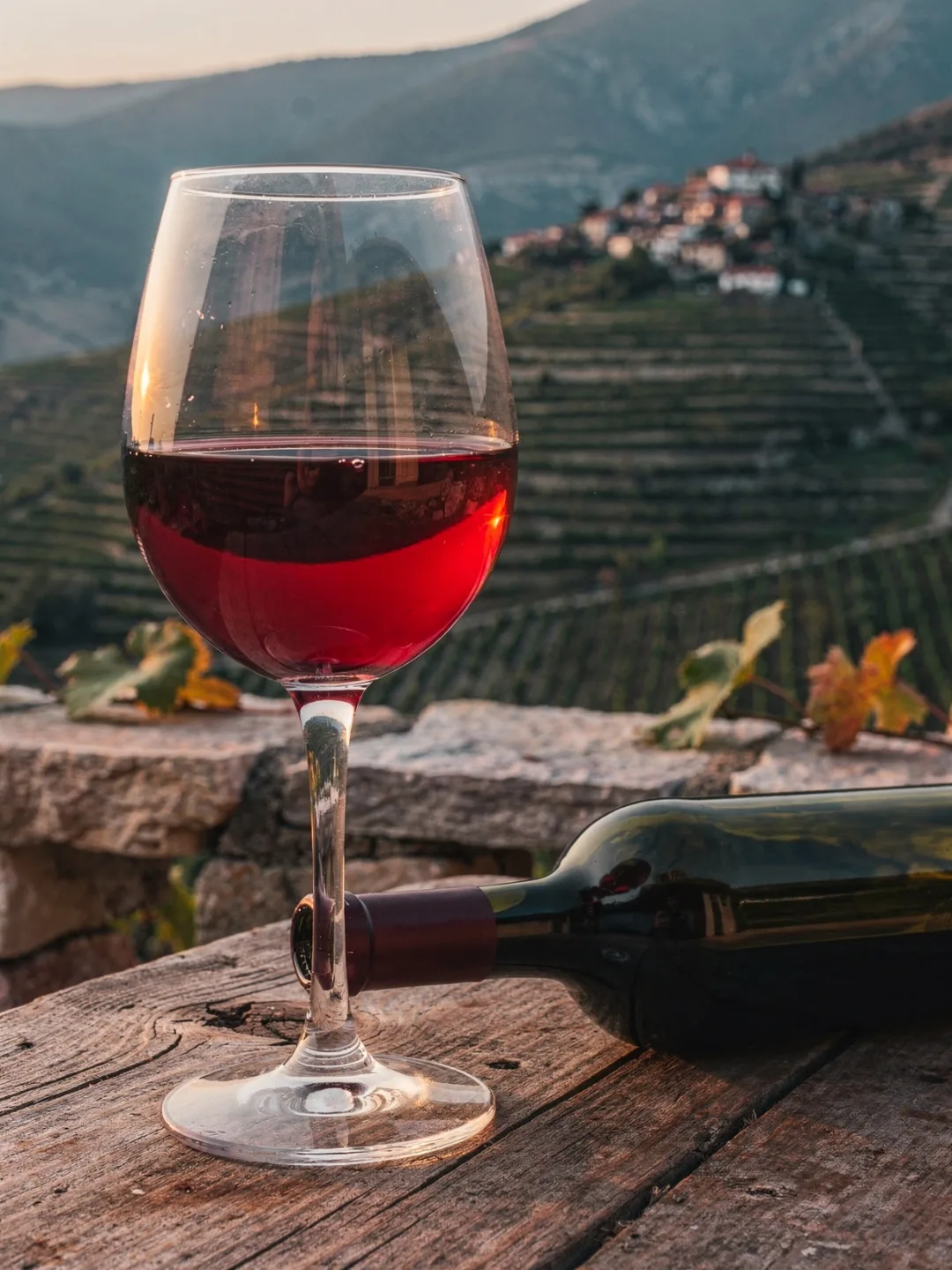
With Xinomavro, the glass decides more than with most other red wines. The variety combines two traits rarely found together: pale color and powerful tannin. Choose the wrong glass, and you get a wine that either tips into sourness or shows no aroma at all.
The reason lies in the chemistry of the skin. Xinomavro stores very little pigment but plenty of tannin — the astringency sits mainly in the seeds and skin, not in the color compounds. In the glass, this means a wine that often looks more garnet than violet even when young. After a few years it gains a brick-red rim, even though the palate still tastes young and edgy. Connoisseurs call Naoussa the Greek Nebbiolo. The comparison sticks stubbornly, even though the two varieties are genetically unrelated.
A wide, bowl-shaped glass with a narrowing rim gives the wine the surface area it needs. This same shape is used for Burgundy, or indeed for Nebbiolo. The large surface lets alcohol and sharp tannin edges soften, while the narrowing rim concentrates the delicate, often understated aromas: tomato paste, black olive, dried plum, a hint of smoke. In a narrow, straight glass, these quiet notes stay buried under the alcohol.
Temperature is often overdone with excessive chilling. Since the acidity is already high, sixteen to eighteen degrees Celsius is enough for Naoussa; colder just makes the wine seem more acidic, more dried-out, and the tannin more unyielding than it already is, no matter how young it is. A young Naoussa also benefits from thirty minutes in a decanter. This isn't about sediment — it's that the tannins noticeably soften with air.
It's different with an aged Ramnista or a Grande Réserve with ten or twenty years in bottle. That wine has sediment you don't want in the glass, and an aroma that needs time to emerge after opening. Here, careful decanting right before serving is enough. Too much air will otherwise quickly dissipate the already faint tertiary aromas — leather, truffle, dried herbs.