On Pinot Noir
Tasting
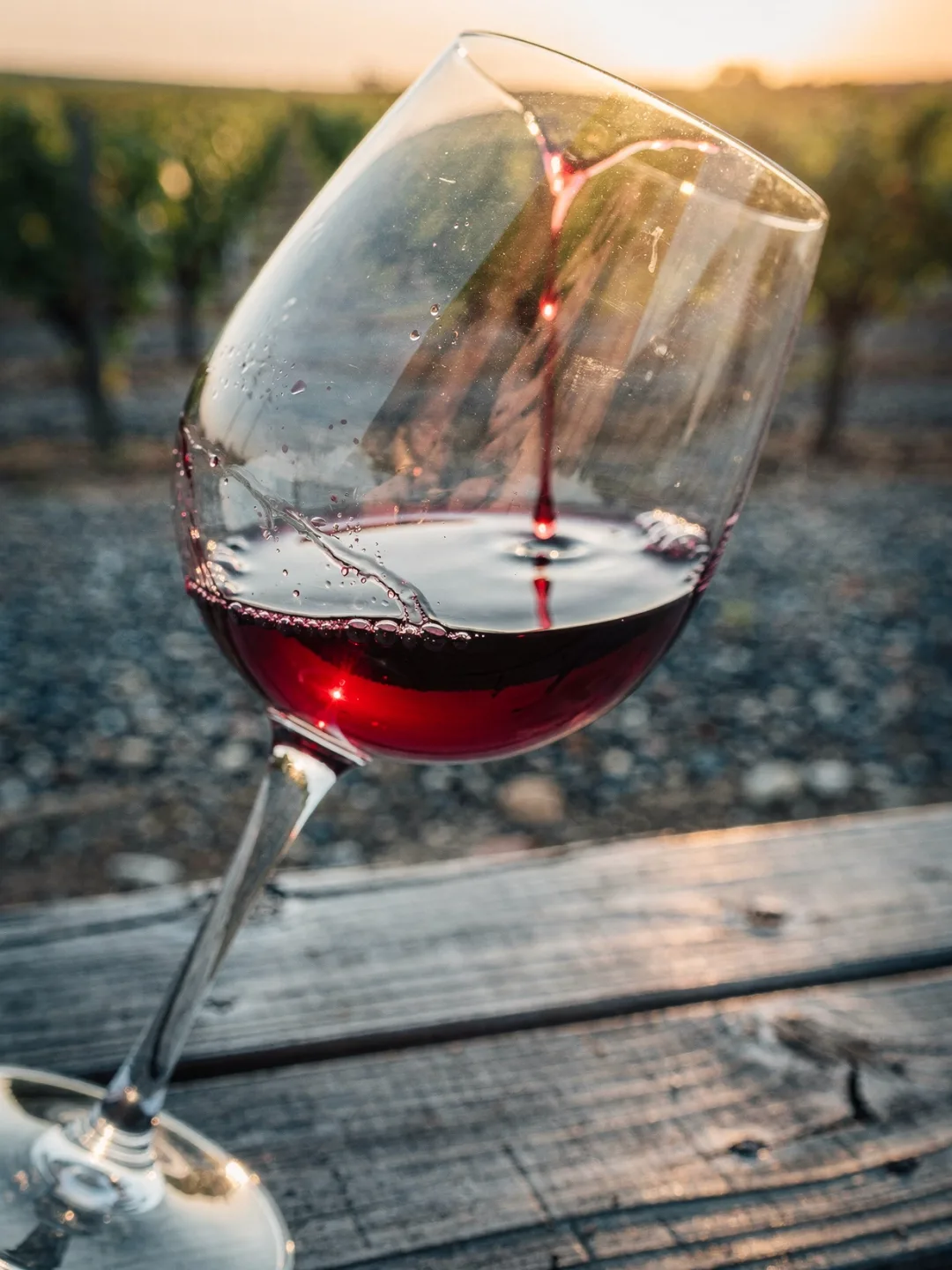
Tilt a glass of Martinborough Pinot Noir against something white and look at the rim. The color is pale for a red wine, almost translucent at the very edge, with a tone somewhere between cherry-red and brick-red even in young vintages. This isn't a weakness of the grape. Central Otago, farther south, often produces darker, denser colors. Here in the Wairarapa, Pinot Noir stays paler, and that has to do with the wind and cool nights, which give the berries less pigment but more structure.
Smell twice: once with the glass still, once after swirling. In the still glass, red fruit comes first — cherry, sometimes raspberry. After swirling, what follows is heavier and takes longer to emerge — dried herbs, a hint of suede leather. In older vintages from Dry River, something else joins in, reminiscent of wet leaves in an autumn forest.
In the mouth, you notice the acidity first, along the sides of the tongue, a legacy of the cold Wairarapa nights. Behind it sits the tannin, felt as a slightly rough coating on the gums, firmer than in most New Zealand Pinot Noirs, but never harsh. Together, both make the wine taut and serious, savory rather than sweet. It's precisely this earthy, spicy character that sets Martinborough apart from its fruitier neighbors to the south.
At the end, count: how long does the flavor linger after you swallow? For a simple wine, it's two or three seconds. For a mature Ata Rangi or Dry River, it can be twenty seconds or more. This length can't be manufactured in the cellar — it comes from the berry itself, from little water, plenty of wind, and a soil that gives nothing away for free.