Pepper, Acidity, Length
Tasting
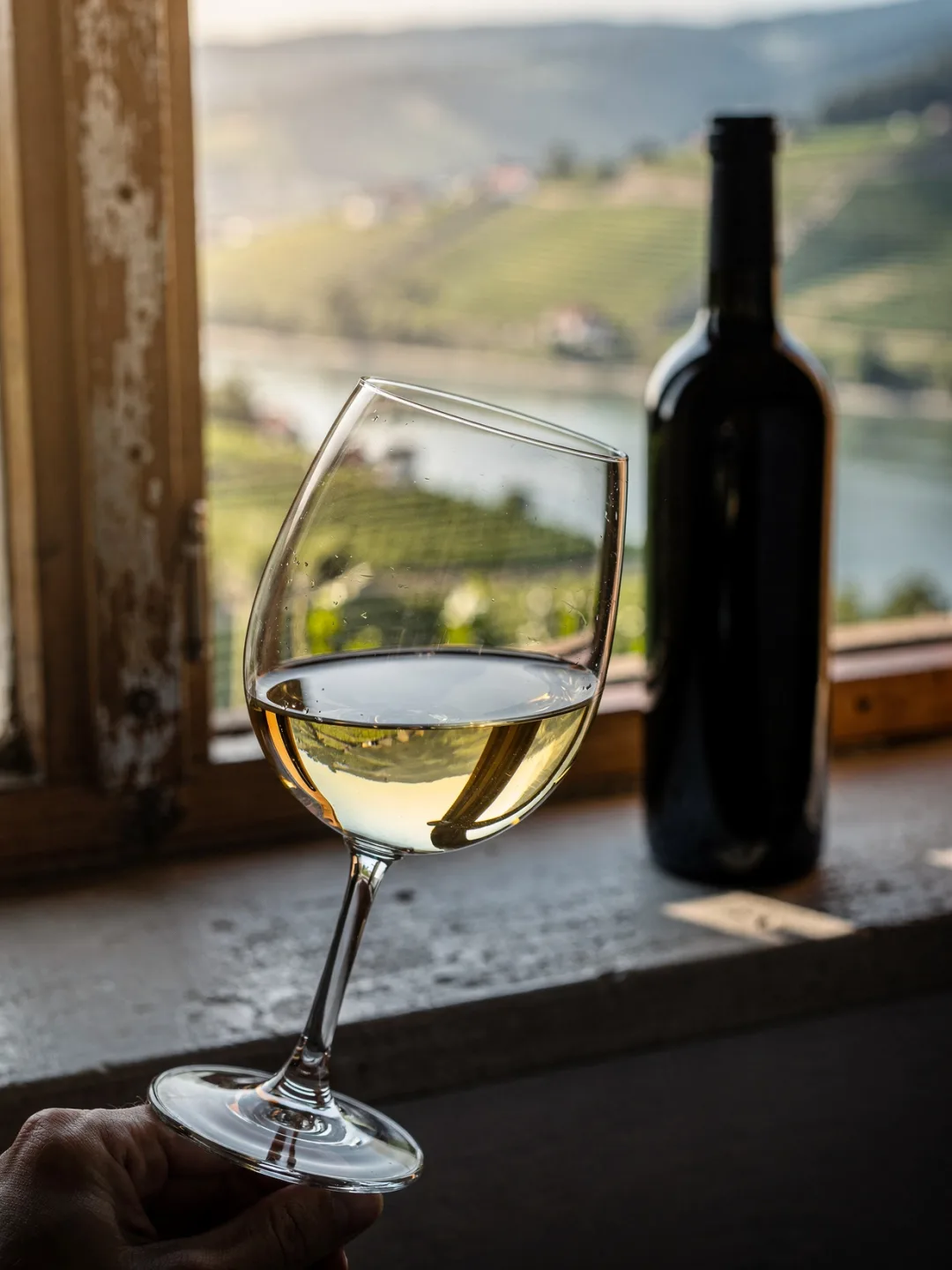
Hold a glass of Grüner Veltliner Smaragd up to the light. Young, it shows a pale yellow-green, almost like unripe gooseberries, with a hint of silver at the rim. After ten years in the cellar, that color shifts toward a rich gold, sometimes with a shimmer of amber. That Veltliner can age this long at all surprises many people who only know it young, straight off a supermarket shelf. Time changes a great deal.
When young, the nose is almost always dominated by the same note: white pepper, sometimes joined by green apple and a faint smoky edge. With age, the pepper recedes, and honey, roasted nuts, and, in wines from steep gneiss terraces, a hint of warm stone after a summer day take its place. Both belong to the picture. Smelling the glass twice — once still, once after swirling — captures both sides, the young and the mature, almost at the same time.
On the palate, acidity is the first thing you notice, striking the sides of the tongue, firm and direct without ever feeling harsh. This structure is exactly what carries the wine across decades, since acidity is the one component that barely fades with age. Nothing masks it. Wines from the steepest vineyards often add a faintly saline impression on the finish, which many tasters associate with the barren terrace soils. Not everyone perceives it the same way.
The Wachau reveals itself most vividly when all three tiers are tasted side by side. A Steinfeder feels light and straightforward, almost like a cool summer day in a glass. A Federspiel sits right in the middle, balanced between fruit and structure. Both have their place. A Smaragd, finally, shows just how much power and depth a late harvest on a steep slope can achieve without ever tasting sweet — it stays dry to the very last drop.