The River Cools
Climate
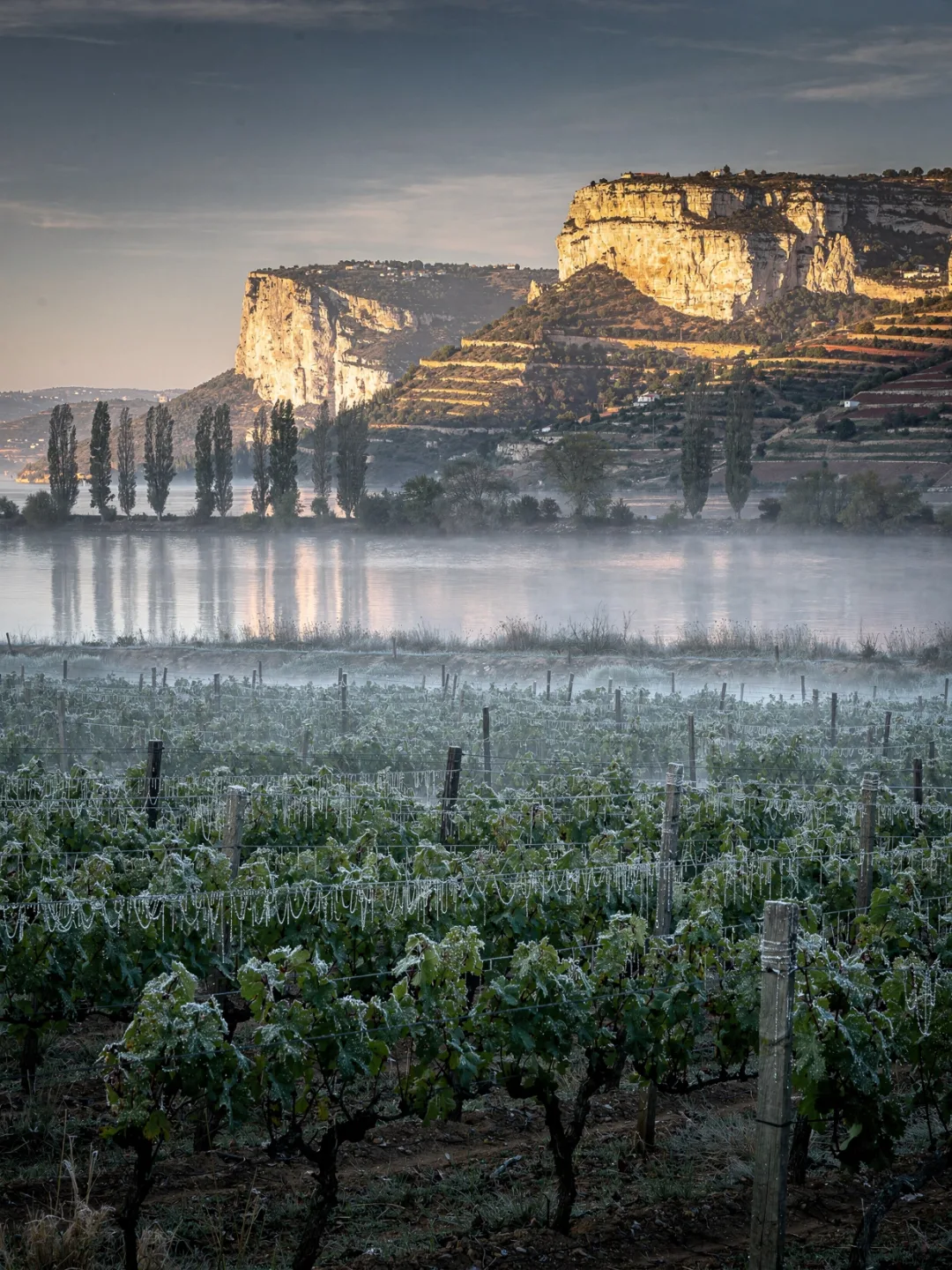
The Tejo is more than a river. Here it acts almost like a climate regulator, because the region sits precisely at the boundary between Portugal's dry, hot south and its wetter, cooler north. This exact location makes the climate more temperate than in most neighboring regions. The river itself softens summer heat spikes and keeps the air near it noticeably fresher than just a few kilometers to the south.
This shows most clearly in the Campo, the zone right along the bank. Proximity to the broad river creates an almost maritime climate with moderate temperatures, preserving noticeable acidity in the grapes and making the resulting wines fresher and fruitier. Anyone who's stood by the Tejo on an August evening knows this difference. Cool air drifts along the river, while a kilometer inland it's still stiflingly warm.
South of the river begins the Charneca, where different rules apply. Without the cooling proximity of the water, temperatures rise faster, the soil is dry and flat, and the grapes ripen earlier than in the rest of the region. This heat packs more sugar and color into the berries. Red wines from here therefore tend to be more powerful and darker.
North of the Tejo, in the hilly Bairro, another factor comes into play: elevation. At up to two hundred meters above sea level, the temperature already drops by one or two degrees. At harvest, that can mean the difference between overripe and balanced grapes. Limestone soils also radiate stored daytime warmth back at night, making the ripening process more even than on the sandy plains further south.
Overall, the Tejo remains a balancing act between three climate zones packed into a small space. Winemakers make deliberate use of this: those seeking freshness plant along the river or up in the Bairro, while those wanting powerful, concentrated reds head toward the Charneca. Rarely do three such different weather patterns lie so close together within a single wine region.