Cherry, Tannin, Frankincense
Tasting
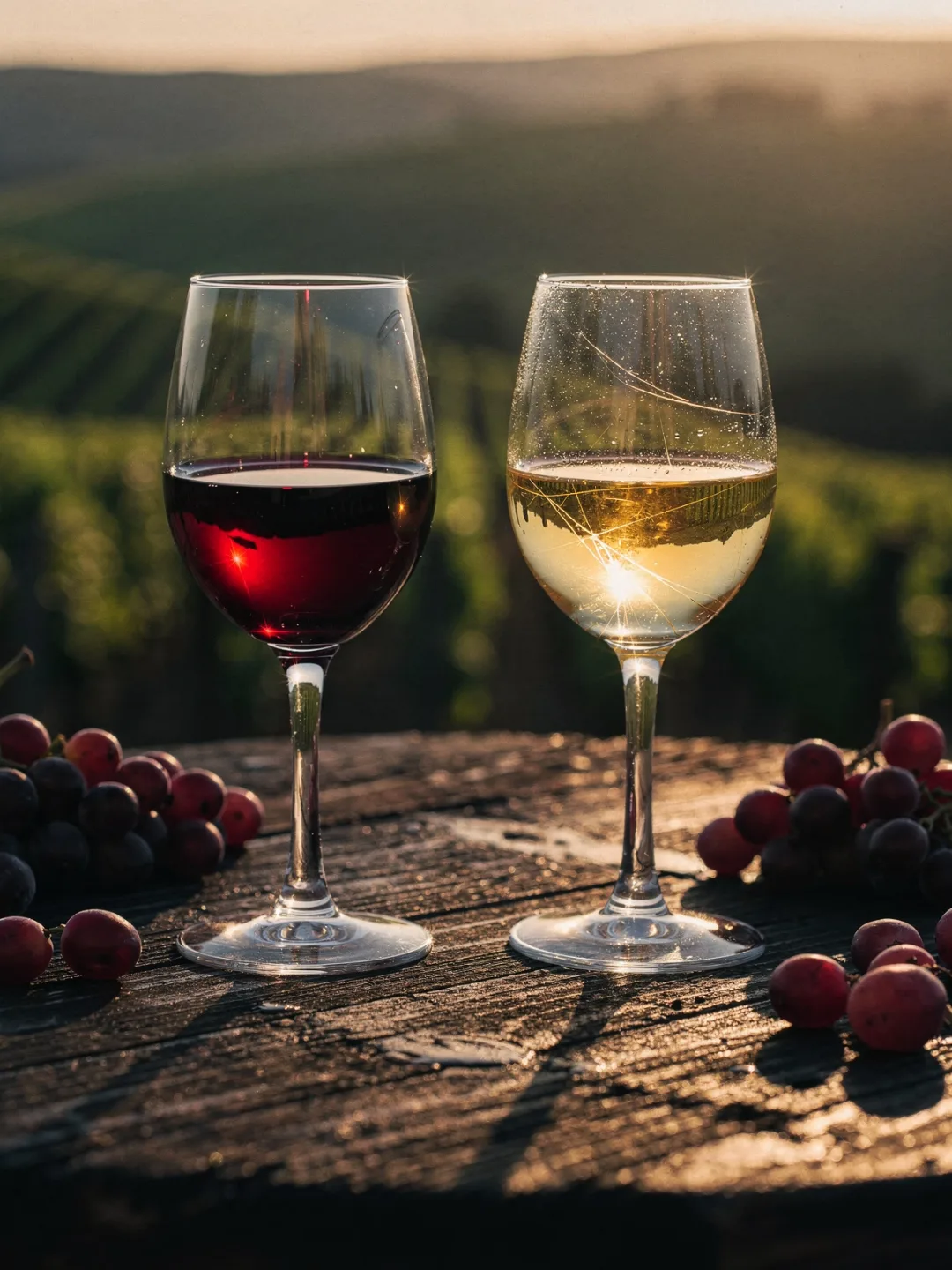
In the glass, Fetească Neagră reveals its color. It's dark, almost black-red at the core. Toward the rim, it barely lightens. This is an early sign of the thick skin of small berries grown in iron-rich clay, and already on swirling, aromas of black cherry and plum rise up, along with a hint of violet that makes younger examples of this grape almost unmistakable.
On the palate, fruit arrives first. Then comes the tannin: firm, not scratchy. The acidity stays remarkably lively. Older vintages trade some of their fruit for leather, tobacco, and dried herbs — a sign the wine is maturing rather than simply aging, while the acidity, a legacy of the cool nights on the slopes, remains intact.
A glass of Tămâioasă Românească smells of roses. A resinous hint gave the grape its name. Made dry, it feels almost slender. In the nobly sweet DOC-CIB version, though, where botrytis mold shrivels the berries, it turns dense and honey-sweet, with aromas of candied apricot, orange blossom, and beeswax that linger in the glass for minutes.
Anyone tasting both wines side by side understands immediately. Dry, off-dry, or sweet — sugar level decides one thing. Quality depends on something else entirely. In Dealu Mare, people therefore distinguish between east and west: here the powerful, tannic reds from iron-red soil, there the fragrant, often sweet whites from lime-rich earth, and which sweetness level a wine carries says nothing, in the end, about its quality.