Maceration & Barrique
Winemaking
Red wine happens because the skins ferment along with the juice. Color and tannin sit in the skin, not the juice. The longer the skins stay in the tank, the more they release. With Pinotage, this step is trickier than with almost any other variety, since the grape brings an unusually high level of nutrients for the yeast.
If fermentation gains too much momentum as a result, temperatures can quickly climb above thirty degrees Celsius. The yeast comes under stress. Unpleasant aromas of nail polish remover or burnt rubber then appear in the wine — a reputation that clung to Pinotage for decades. Modern cooling technology in the tanks has since largely solved this problem, as has more careful clone selection and reduced water stress in the vineyard.
Some wineries additionally use carbonic maceration. Whole, unbroken grapes ferment first inside their own skins under carbon dioxide before being pressed, which makes the wine softer, fruitier, and more approachable. The side effect is a more pronounced banana note, since the process generates more isoamyl acetate. For some drinkers, that's the cherry on top; for others, it's exactly the reason to avoid Pinotage.
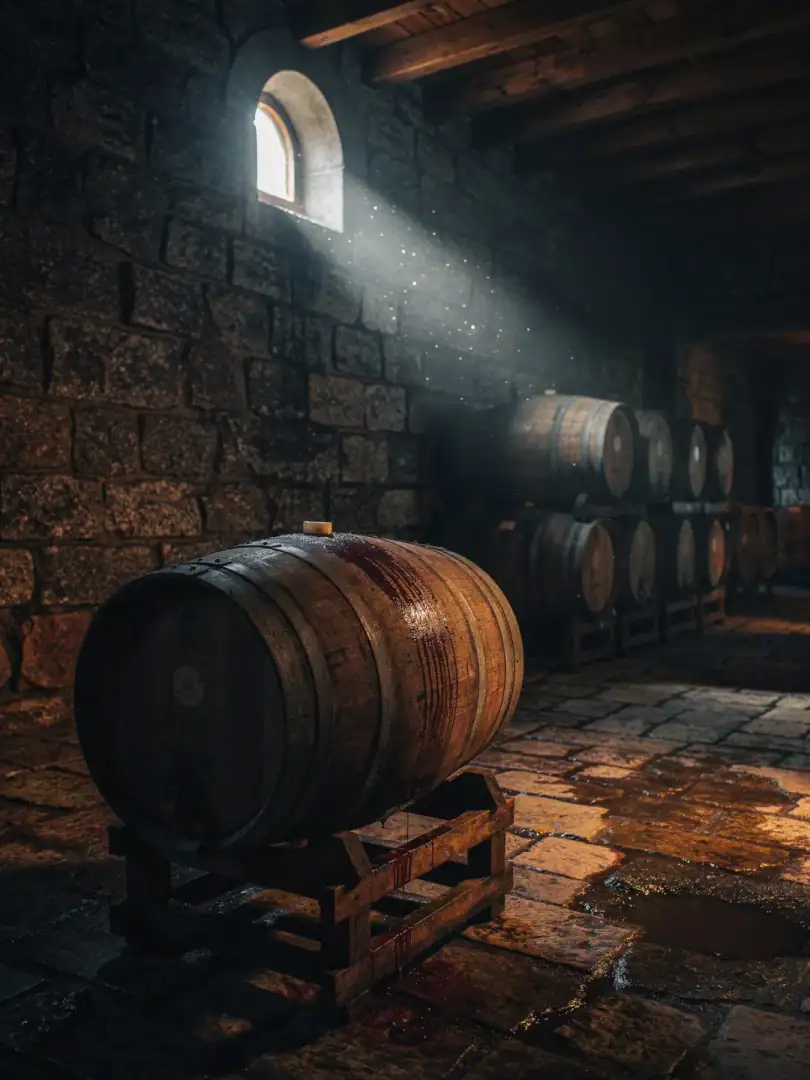
After fermentation, the best wines age in barriques of French or American oak, typically for twelve to eighteen months. For a Cape Blend, cellarmasters then blend Pinotage with Cabernet Sauvignon, Merlot, or Shiraz. A Pinotage share of somewhere between thirty and seventy percent is customary, though no regulation dictates it.
Before a bottle leaves the cellar, the Wine of Origin system checks whether grape variety, vintage, and origin on the label actually hold up. This has been law since 1973. Stellenbosch was one of the first districts to be officially demarcated.