Gifting with thought
Giving and bringing wine as a gift
A bottle of wine is one of the oldest gifts there is, and yet plenty can still go wrong with it. The right choice depends less on price than on the occasion and what the recipient actually enjoys.
What makes a good gift bottle
The most expensive bottle in the shop is rarely the best choice if no one knows whether the recipient even likes bold red wine. Versatile, unassuming wines that suit many occasions are the safer bet, say a solid Riesling or an approachable, medium-bodied red, rather than a very distinctive, polarising style.
If you know something about the recipient's preferences, feel free to choose more specifically. A wine from the country of a shared holiday, a bottle from their birth year, or something from a region they've mentioned all work well. Small personal touches like these often carry more weight than a high price tag.
Checking the condition of the bottle
Bottles that have sat for a long time in a brightly lit shop window or right next to the till have often suffered from light and heat, even if the label looks flawless. A little wine that's seeped out at the top of the cork is a warning sign. The same goes for a very low fill level, which can be spotted even before purchase.
If you're choosing a bottle as a deliberately long-lived gift, say for a celebration a few years down the line, it's worth briefly telling the recipient how best to store it until then. Cool, dark, and lying on its side is the way to go. That keeps the cork moist and stops it drying out prematurely.
Bringing a bottle as a guest
If you're invited to dinner and bring a bottle, it's usually given as a gift to the host. No one expects it to be opened that same evening. Hosts have typically already planned their menu with their own wine in mind, and a bottle you've brought is perfectly fine to set aside for a later occasion.
If you'd like the bottle you've brought to be opened right away, it's best to mention this briefly and casually when handing it over. A note that it might pair well with the planned meal is usually enough. That way the decision stays with the host, without any unspoken pressure hanging in the air.
Wrapping and the final touch
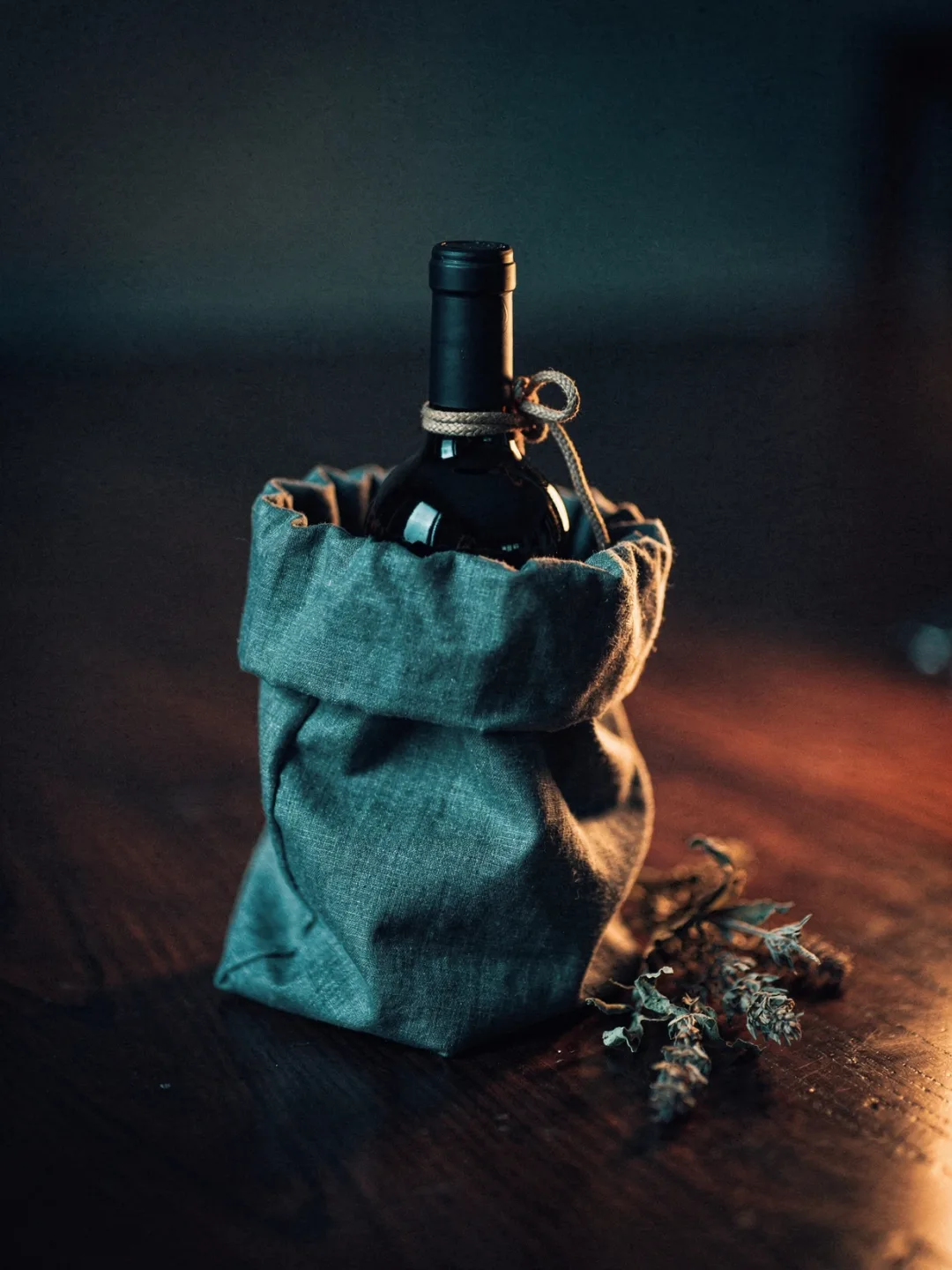
A bottle rarely sits well in ordinary wrapping paper, since its shape almost always creates awkward folds. A simple wine bag made of fabric or sturdy paper looks tidier and can be reused later, something that's barely possible with plain paper.
The last, often forgotten touch is the label itself. If you're gifting a special bottle, make sure not to accidentally stick a sticker or price tag over it. Keep the label visible, so the recipient can look up later exactly what they were drinking.
Wine as a gift for special occasions
For a wedding or a milestone birthday, it's fine for a bottle to cost a bit more. A personal connection adds extra meaning, say the same vintage as the birth year or the wedding date. A short, handwritten note pointing out this connection turns an ordinary bottle into a gift people remember.
For business occasions, restraint is often the better choice. A solid, unshowy wine works better than something very expensive or unusual, which could be misread. Regional wines from the company's local area tend to go down well, since they show a connection without seeming overdone.
Wine for someone who isn't into it yet
Not everyone drinks wine regularly, and in these cases a very special, rare bottle tends to feel wasted rather than impressive. An approachable, uncomplicated wine with clear, fruity character works better here than a complex, aged wine that needs experience to be fully appreciated.
If you really want to play it safe, pair the bottle with something to go with it, like a small cheese or chocolate that suits the wine you've chosen. That turns a single bottle into a small, thoughtful package that will land well even with someone who hasn't given wine much thought before. Pairings like this also show that real care went into the choice.