Confidence in the dining room
Ordering wine at a restaurant
A wine list shouldn't intimidate anyone. Knowing what to ask for and what really matters in the tasting sip lets you order with more confidence than any lengthy list might suggest.
Reading the list without knowing every name
Wine lists usually give the region, producer, and vintage, and less often the grape variety directly, especially for European wines, which are traditionally named by origin rather than by grape. If you like a particular grape variety but can't place the regional names, many lists include small additional notes. Otherwise, a quick question about which grape sits behind a certain name will do the trick.
Prices on a wine list are higher than the retail price of the same bottle for good reason, usually two to three times as much. This helps cover storage, glassware, staff, and the risk of opened bottles going to waste. A wine at double the shop price is standard restaurant pricing, not a rip-off.
Asking staff the right questions
Rather than naming a specific grape variety, it often helps more to mention a budget and a comparison. A line like "something in this price range, in a similar direction to this wine here" is often enough. That way staff can make a targeted suggestion from their own list, instead of guessing what you might mean.
It's also always worth mentioning what you're eating. Describing what's been ordered at the table usually gets you a better-matched recommendation than simply asking for the best wine on the list in isolation. That single "best wine" simply doesn't exist without reference to the food.
The ritual of label, cork, and tasting sip
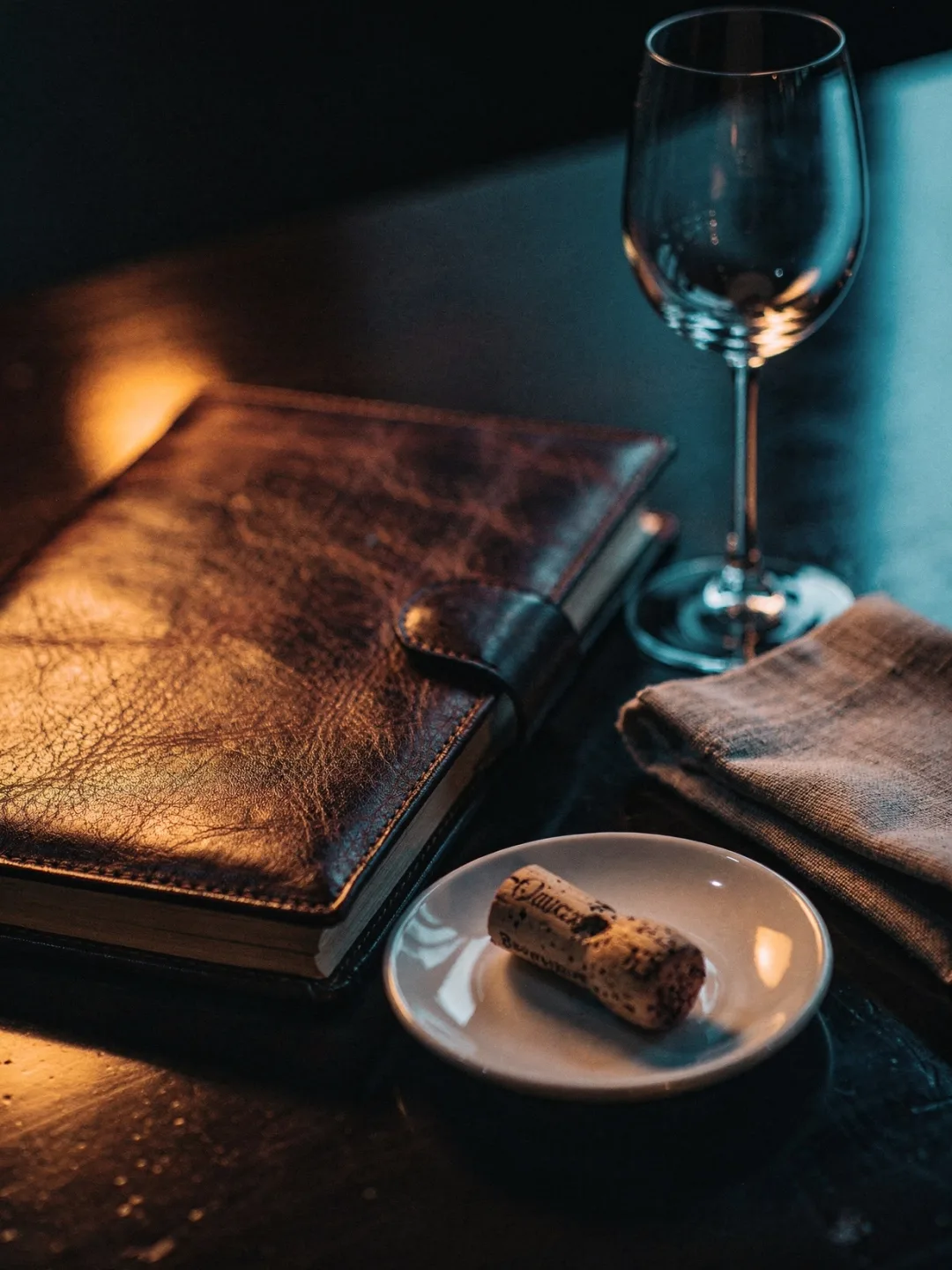
Before opening the bottle, staff usually show the label. This lets the guest confirm it's the bottle and vintage that was ordered. The cork shown afterward isn't meant for sniffing, but for inspection. Is it dry and intact, or does moisture on the side suggest a leak?
The small tasting sip poured for the host checks solely for genuine faults, not personal taste. These include a musty, damp cellar smell from a faulty cork, a brownish, sherry-like oxidation, or unexpected fizz in a wine that's supposed to be still. Only a fault like this warrants sending the bottle back, not simply not liking it personally.
Bringing your own bottle
Many restaurants allow guests to bring their own bottle, usually for a so-called corkage fee, which covers glasses, service, and the lost sale. This option is worth it above all for special, aged bottles that wouldn't be found on the house list anyway.
It's polite to ask beforehand rather than simply placing the bottle on the table, since some establishments don't accept outside wines for pricing reasons. Asking avoids an awkward situation and shows an awareness of the work involved for the restaurant.
Ordering wine to share
If you're dining as a couple but want different wines to accompany different courses, it's best to ask about wines available by the glass. That way you don't have to commit to two whole bottles. Many good restaurants now offer an expanded by-the-glass selection for exactly this purpose, often even in two different glass sizes.
Some establishments also offer small tasting flights of three or four tiny glasses of the same wine style, particularly for dessert wines or Port. These flights usually cost a bit more than a single glass. But they're worth it if you want to compare several styles side by side instead of committing to just one.
When the recommendation misses the mark
Sometimes the staff's recommendation, despite a good description, just doesn't suit your taste, without the wine itself being faulty. In this case, polite and specific feedback is worthwhile. Too sweet, too acidic, or too heavy: a clear statement helps far more than silently leaving the wine untouched and finishing the meal unsatisfied.
Most restaurants respond kindly to such feedback with a second suggestion, even though a swap isn't strictly guaranteed for a wine that has no fault. In practice, though, an open conversation with staff nearly always leads to a solution both sides are happy with.