The short answer
Cabernet Sauvignon is a red grape variety. Its wines are often powerful and have pronounced tannins that make the mouth feel rough. Blackcurrant is a common comparison for the aroma. But not every bottle is equally weighty or equally age-worthy.
What structure means
In wine, structure describes the interplay of tannin, acidity, and body. Because of this, a Cabernet often has noticeable grip in the mouth. If it ages in oak, this impression is reinforced. Still, the variety name says nothing about the amount of tannin or the right time to drink it.
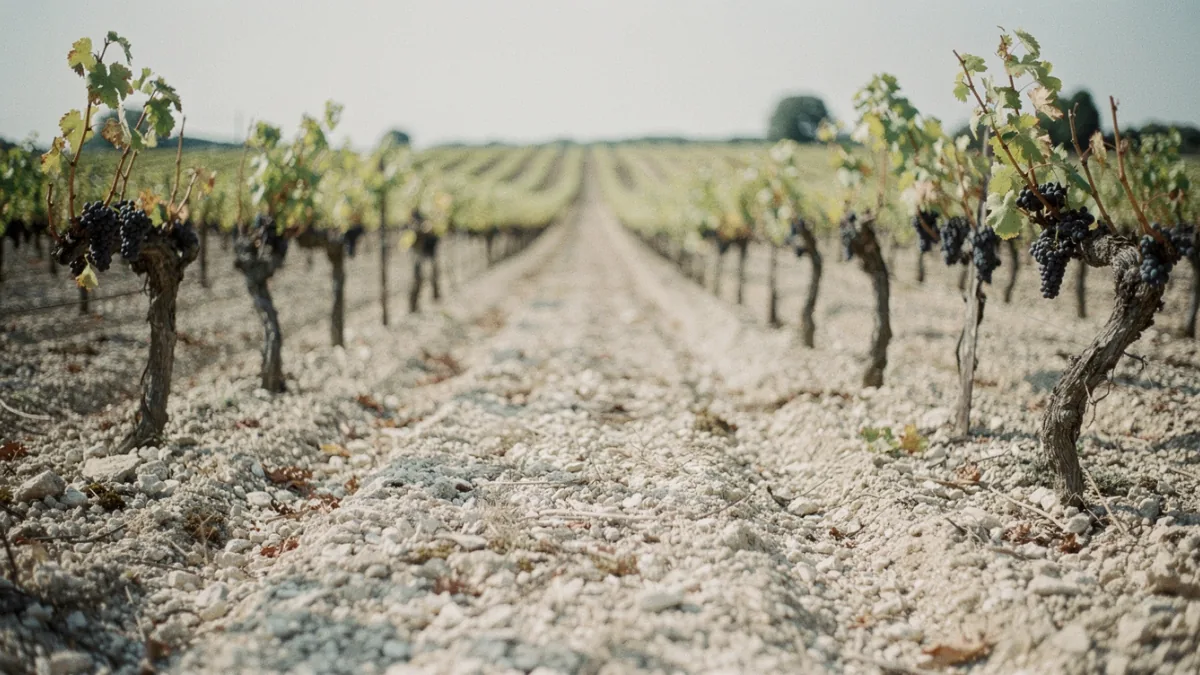
The variety is closely tied to Bordeaux and grows in many countries. Origin helps with comparison. Who made the wine and in what style, however, you won't learn from that alone.
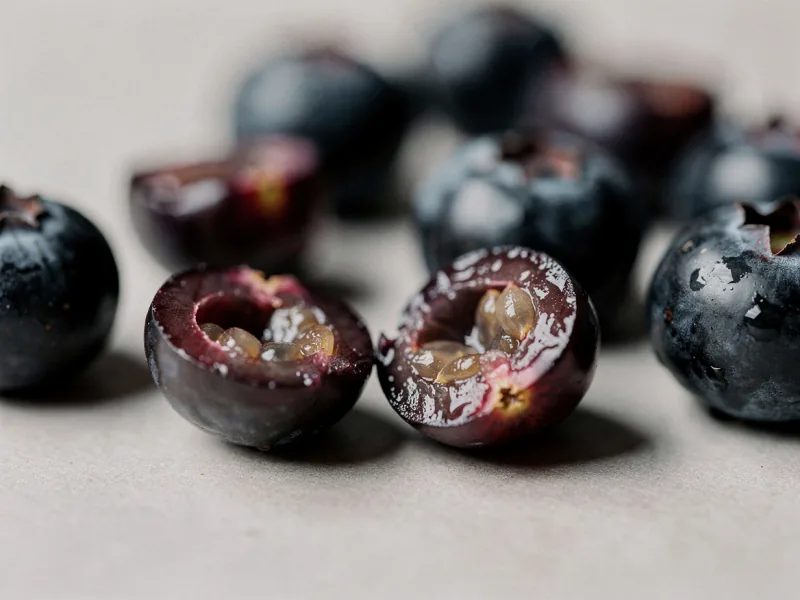
You notice tannins less on the tongue than on the cheeks and gums. The mouth feels drier, sometimes slightly rough. Roughly as if you'd chewed on a grape skin. That's exactly what's meant by grip. Whether it feels pleasant or bothersome depends on how much body and fruit stand alongside it.
Oak aging brings its own aromas and makes the tannins feel rounder. The label often says nothing or very little about this. That's why it's worth checking the back label and talking to the shop staff. How powerful a wine ultimately feels is decided by the producer in the vineyard and the cellar. The variety name doesn't decide it.
Who this direction might interest
If you like powerful red wines, Cabernet is one possible direction to explore. If you'd rather avoid the fuzzy mouthfeel, start with a small taste. After two sips, you'll know where you stand.
With a hearty grilled dish, a structured red wine is worth a try. Describe the sauce to the shop staff too. Sweet or spicy accompaniments lead to a different selection than a plain piece of meat. A good recommendation starts with this specific situation. The sentence Cabernet always goes with steak won't get you far.
When tasting, a fixed order helps: smell first, then take a small sip and hold it in your mouth. The tannin builds up with a delay. It shows most clearly after swallowing. If you drink too fast, you'll mask it and later wonder about the dry feeling in your mouth.
When describing food, mention not just the main ingredient but also the cooking method and the sides. Grilled, braised, or quickly seared are each a different situation. Spicy seasonings and sweet marinades change how the tannins come across in the mouth. The more precisely you describe the plate, the more useful the recommendation will be.
How to find a Cabernet Sauvignon you'll enjoy
Four steps narrow down the choice step by step, from the conversation in the shop to your own tasting sip.
More important than the number of questions is your own expectation. Are you looking for a wine for tonight or for the cellar? Both lead to very different recommendations. Also say what was too much for you in the last red wine you had. That feedback is more useful than asking for something full-bodied, because full-bodied means something different to everyone.
| Step | Specific question or action |
|---|---|
| In conversation | How firm are the tannins in this bottle? |
| On the label | The grape variety alone doesn't justify aging potential. |
| When tasting | Do I enjoy the grip even without a hearty meal? |
| Your comparison | Compare a sip on its own and a sip after a bite of food. |
Powerful doesn't mean heavy
The variety name is often read as a promise. But Cabernet Sauvignon doesn't automatically mean a heavy wine. It also says nothing about how long a bottle should age. Both are decided by the producer and the specific vintage. If you go by the name alone, you'll eventually end up with a bottle in your glass that tastes very different from what you expected.
The second misconception concerns the aroma comparison. Blackcurrant is mentioned often because it serves as a reference point for many people. It's not a test you need to pass. If you don't find it, there's nothing wrong with the wine or with your nose. Such comparisons help when talking about wine. You can't measure anything with them.
And tannin isn't the same as quality. A lot of tannin makes a wine more demanding, not better. Tannin, by the way, is just another word for the compounds that create that rough feeling. A wine with less grip can be made just as carefully.
Tasting Cabernet with and without food
Take two bottles of Cabernet Sauvignon from different countries and open them on the same evening. Same glasses, same temperature, small amounts. This time, the aromas are secondary. Pay attention to how dry your mouth feels after the sip and how long that feeling lasts. The difference is usually more pronounced than expected.
The second day is also revealing. Reseal the opened bottles and taste them again. Some wines become more approachable, others fall flat. This observation tells you more about the style in the glass than any description on the back label. Note in one sentence which of the two you'd buy again, and take that sentence with you on your next shopping trip.