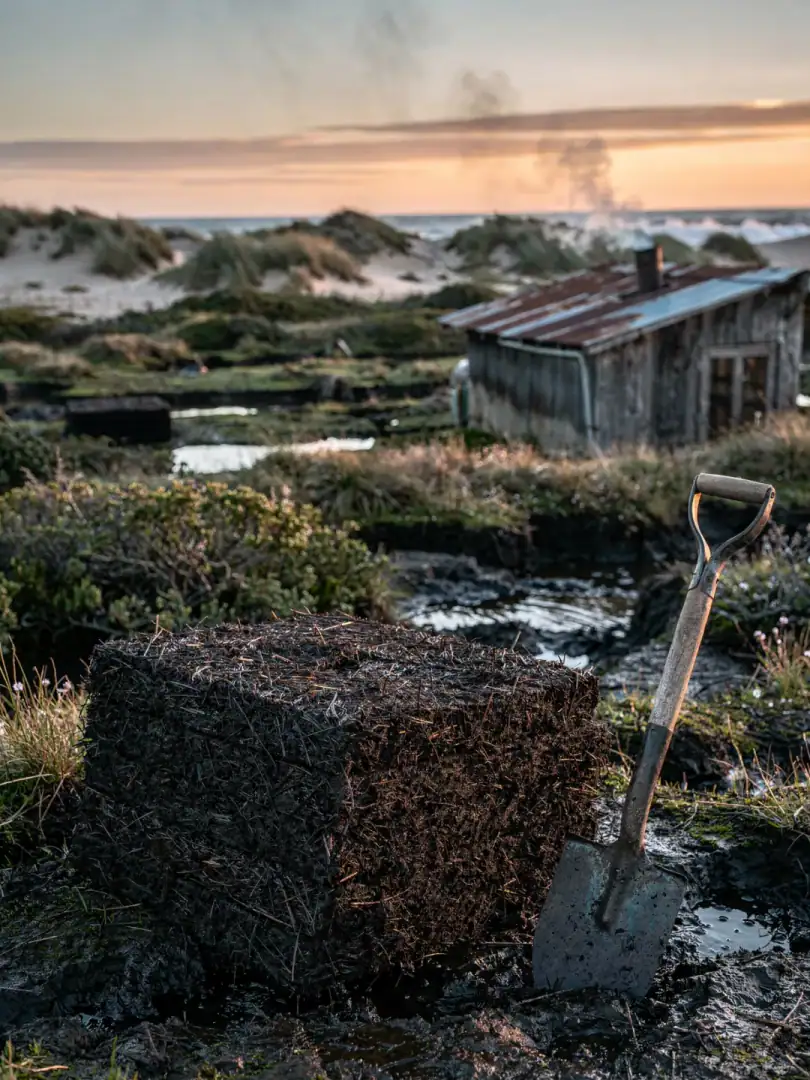
Tea-Tree Peat from the Coast
Malt & Peat
Not every Tasmanian distillery malts with peat, but those that do source it from their own island rather than from Scotland. Belgrove in the northeast gets its peat from Brown Marsh Bog near Waterhouse, right on the coast. Other distilleries have so far skipped smoke entirely.
This coastal peat consists mainly of decomposed tea tree rather than heather, as in Scotland. Even so, the smoke it releases during kilning bears a striking resemblance to classic Islay smoke. Belgrove claims to be the only distillery in the world working with this Tasmanian coastal peat.
Bill Lark already had the highland peat bogs in mind back in 1989, when he wondered why nobody on the island was distilling malt whisky. His own distillery now bottles a peated malt alongside its unpeated Classic Cask—two styles from one house, made from the same water, yet with entirely different characters.
Other houses, like Nant in the highlands, are exploring whether to malt with local peat instead of imported peat in the future. So far, though, only Belgrove has followed through on this consistently. For most other distilleries, peat remains the exception rather than the rule.
Comparing the two smoke notes, the difference becomes clear right away: highland peat smells earthier and mossier, while coastal peat is saltier and sharper, almost like burnt driftwood. Both types of peat have grown for thousands of years in the same bogs that also supply Tasmania with its water.
For the island, this is a small but distinct side branch. While Scotland defines entire regions with smoke, peated whisky on Tasmania remains a deliberate choice made by individual distilleries.
Dune grass and low coastal shrubs hold the sand in place above the bog.
The root: Without this cover, the wind would expose the peat underneath and dry it out.