The short answer
Some whiskies smell and taste of smoke. It comes from drying the malt over a peat fire, since the grain absorbs the aromatic compounds from the smoke. But not every whisky has smoke in it.
Smoke Is a Stylistic Choice
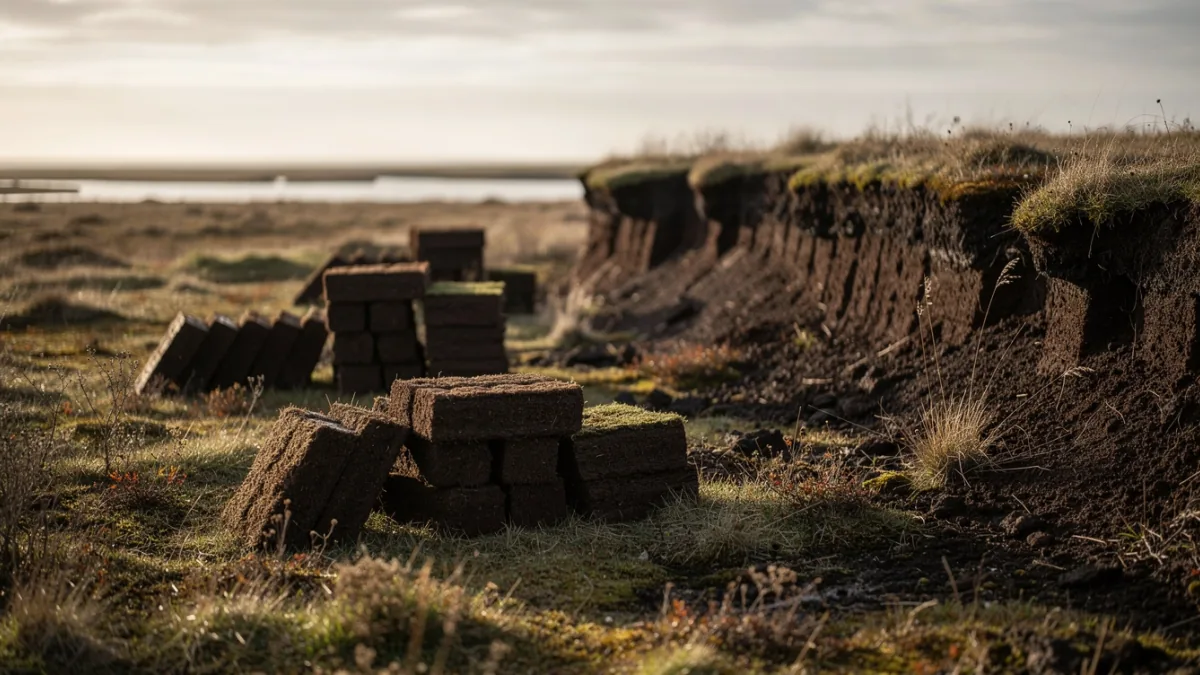
A peat fire can burn while the barley is being dried, and that's where the typical smoky character comes from. Peat is a fuel sourced from the bog. That doesn't mean every Scotch tastes like this. And a dark-colored spirit isn't necessarily smoky just because of its color.
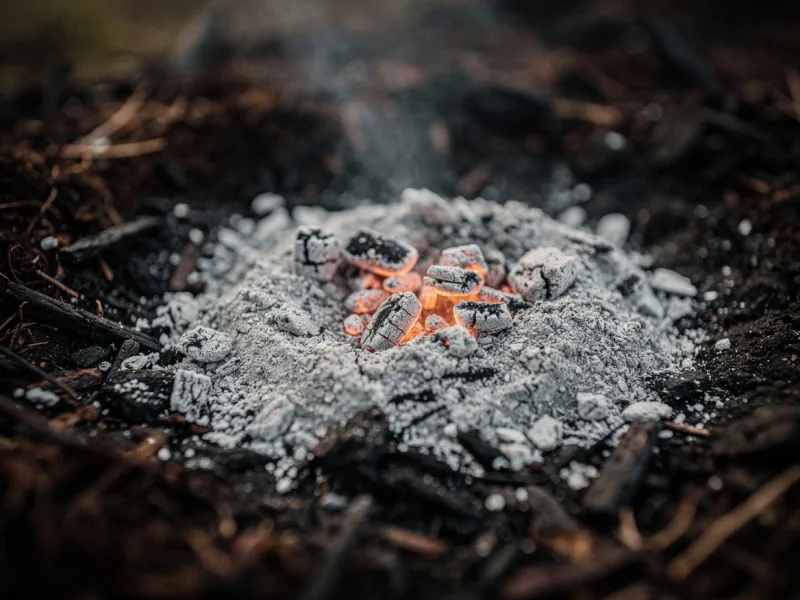
Timing matters here. Smoke enters the picture before distillation even begins. The malt is dried, and if peat is burned for that, the grain picks up the aromatic compounds from the smoke. These then travel through every subsequent step and remain perceptible in the glass at the end. So smoke isn't an ingredient someone adds at the finish. It's a decision made right at the start.
This also means: color won't help you judge it. A pale whisky can be intensely smoky, while a dark one can be completely unpeated. If you go by appearance, you're essentially guessing blind. The name of a region tells you little too about what's actually happening in the glass. The same area can produce smoky styles as well as clear, fruity ones.
Start Small
If you're curious, place a small sample next to a whisky that's explicitly described as unpeated. Smell first from a bit of a distance. Then jot down a simple comparison, like campfire or medicinal. You don't need to hit some technical vocabulary list.
If the smoke overwhelms everything else, look for a more restrained style next time. The region name alone is too vague for that. Ask about the specific bottling instead. And if you don't enjoy smoke, you don't need a plan to acquire the taste. Plenty of other directions exist within the category.
Small amounts are enough for a comparison. Two glasses with a little content, a sip of water in between so your nose doesn't tire. Feel free to try the same whisky twice, once neat and once with a few drops of water. What you notice matters more than any description you read beforehand.
Write your notes in your own words. One word is often enough, and you don't need technical vocabulary for this. After three or four tastings, you'll start to see patterns: which type of smoke you enjoy, how much of it you find pleasant, and at what point it becomes too much. When asking for advice in a shop, these notes will serve you better than a region's name.
Smoke Doesn't Come From the Cask
Smoke isn't a mark of quality. A smoky whisky isn't better or more serious than an unpeated one. It's simply made differently. Smoke also has nothing to do with age or price. Neither tells you anything about the style.
Peaty and smoky are often lumped together. Strictly speaking, peat is the material that burns while the malt is drying. Smoke is what you smell and taste as a result. Another common misconception: that the smoke comes from the cask. In fact, it's already in the malt long before the whisky ever touches wood.
What to Look for When Buying
Ask about the individual bottling rather than a region. A useful question is: strongly smoky, or just a hint of it? Whoever's advising you in the shop can usually give a clear answer to that. This way you're less likely to end up with something that overwhelms you.
Small sizes and samples are helpful while you're still figuring out what you like. A misstep then costs little, and you can put two styles side by side directly. If you already know smoke isn't for you, feel free to say so clearly. Plenty remains within the category.