The short answer
Start with a style that piques your curiosity, and try to taste it before buying a whole bottle. Then place two small samples side by side, say a fruity one and a spicy one. Smoke and high alcohol content are distinct characteristics, not quality levels.
First, Find a Flavor Direction
Start with familiar impressions; you can learn distillery names later. Do you like vanilla and pastry, fresh fruit, dried fruit, or smoke? These words will help you in conversation at a specialty shop. They describe possible aromas. They don't refer to added ingredients, and they don't tell you how sweet the whisky feels in your mouth either.
Smoke deserves its own question. Do you specifically want to get to know it, or would you rather avoid it for now? A peaty whisky will strongly shape your first comparison. Anyone who's only tried one such bottling hasn't really tasted whisky as a whole yet. Even within the same origin, styles vary widely.
If you're at a loss for words, other drinks and foods can help. Think about what you like in coffee, tea, or pastries: the roasty, dark side or the light, fruity side? Such comparisons are more useful at a specialty shop than they might sound. They point you in a direction without requiring any knowledge of distilleries or cask types.
These directions are starting points, not guarantees. Two bottles from the same direction can taste quite different, and your own impression may well diverge from the description. Take the terms as a search aid for conversation. Whether the direction suits you is decided in the glass.
| Direction | Possible Starting Point | Ask When Buying |
|---|---|---|
| Vanilla and Spice | A bourbon described accordingly | How pronounced is the oak and the alcohol warmth? |
| Fruit and Malt | An unpeated malt or blend | Fresh fruit or more dried fruit? |
| Bold Spice | A rye whiskey or spicy blend | Is the profile dry-spicy or soft? |
| Smoke | A specifically peated bottling | How intense is the smoke by comparison? |
The Key Terms Without Label Traps
With Scotch, single malt means malt whisky from a single distillery. It doesn't mean a single cask, and it doesn't mean a mild flavor either. A blend brings different whiskies together and isn't inferior because of it. Bourbon and rye stand for different raw materials, different production methods, and different origins. Which rules apply in detail depends on the specific jurisdiction.
With Scotch, an age statement names the youngest whisky included, not an average. More years is no promise that you'll enjoy the bottle more. A finish is an additional stage in a further cask. A particular sweetness doesn't automatically follow from that. Cask strength means, above all: take the alcohol percentage seriously and plan your comparisons carefully.
Read a label calmly and ask yourself: what's actually stated, and what is your mind filling in? Single malt, blend, or finish say something about origin and production. They say nothing about the taste in the glass. Whoever keeps those separate will be disappointed less often than someone who builds an expectation out of the prettiest word on the paper.
Before Buying: Five Details That Really Help
Jot down five things: your budget, the intended occasion, the flavor direction you want, how you feel about smoke, and the alcohol content of the bottlings under consideration. I'm looking for a fruity whisky without peat smoke to try cautiously: a sentence like that gives a retailer something to work with. The question of what the best whisky is doesn't help anyone.
Where possible, get a small bottling or a suitable sample offer. For your first direct comparison, choose similar alcohol strengths. Otherwise, the stronger sample will dominate just by virtue of its alcohol content. Keep the glass, temperature, and poured amount the same for both as well. That way, you're really comparing the flavor.
Write down the five details in your phone before heading to the shop. Otherwise, the budget and the question of smoke tend to slip during the conversation. You'll end up with a bottle someone else likes. A written-down request also makes it easier for the person helping you to offer two suitable suggestions.
The intended use is what gets forgotten most often. A bottle that convinces you neat won't necessarily have the same effect in a mix. The reverse is just as true. So state upfront whether you want to try it neat, work with water, or build a specific drink.
A simple tasting in six steps
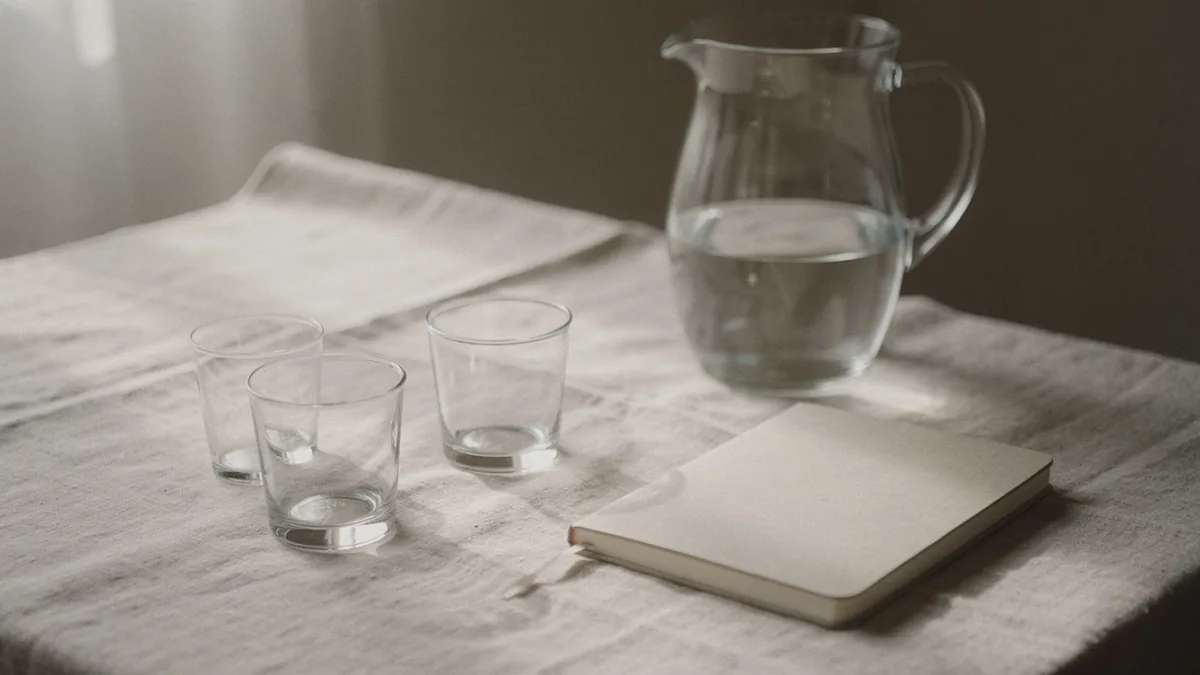
Set out two identical, clean glasses, plus still water and a notepad. Label the samples A and B. Pour just a small tasting measure into each. You don't have to finish the glasses. If the profiles differ, start with the less smoky, less intense whisky.
Look at the sample briefly, without trying to read age from the color. Nose it from a distance and approach slowly. Then take a small sip if you want to taste it. Separate three things: aroma, mouthfeel, and alcohol warmth. Finally, note the finish. Does fruit, spice, wood, or smoke linger?
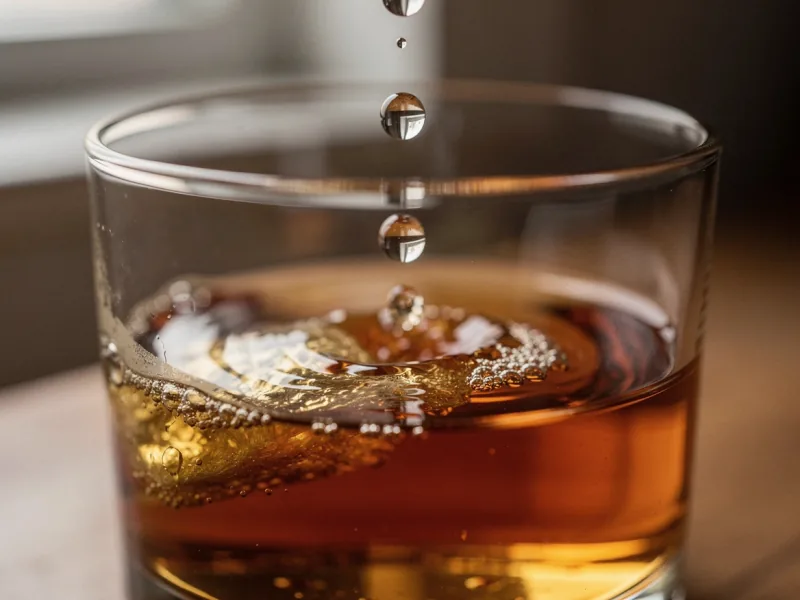
Then add just a few drops of water to one sample only and compare again. Record what has changed and which version you prefer. The comparison sheet on this page guides you through exactly these observations. Your notes stay on the open page. You can save them as text or print them out.
Allow more time for the session than you think you'll need. There should be a pause between nosing, tasting, and note-taking. The nose adjusts quickly and then reports back less. Two samples are plenty for one evening. With four or five glasses, the impressions blur together, and in the end you're left with no clear picture of any of them.
Write your notes in short, complete sentences. A single word like good or strong won't tell you anything later. B smells of dried fruit and becomes woodier in the mouth: that's something you can still read in six months. That's exactly what the sheet is for. It records what you observed without imposing a rating on you.
Water or ice: decide based on your goal
A few drops of water can change both smell and taste. There's no universal correct number of drops for every bottle. Add a little at a time and taste again. Leave one comparison sample unchanged, and you'll see the difference more clearly.
Ice chills and dilutes at the same time. That can be pleasant, but it makes a calm comparison harder. Temperature and water content keep changing throughout. Water is easier to dose for a first, orderly impression. Later, when you're just enjoying a dram, things can naturally look different. The tasting setup is a learning aid, not a rule for how you should drink.
Keep track of how much water you added, otherwise you won't be able to repeat the step. A rough note like three drops is enough. It's better to work your way up in two small steps, since you can't undo dilution. If you prefer the undiluted version, that's a perfectly useful result too.
When whisky burns or tastes bitter
A sharp smell sometimes simply comes from having your nose too deep in the glass. Pull back and take your time. A small amount helps when tasting. Alcohol warmth and a bitter, woody impression are two separate observations. Write them down separately, since too strong is too vague as a note.
If a sample just isn't for you, you don't have to force yourself to get used to it. A different style, a suitable mix, or an entirely different drink might be the better choice. Keep your note anyway. A clearly named dislike actually makes your next purchase more targeted.
Between two samples, a sip of still water and a short break help. If everything feels equally harsh after the second sample, it's usually your nose that's tired, rarely the whisky itself. Better to stop the comparison and continue another day. Otherwise you'll fill out the sheet with a worn-out impression for nothing.
Whisky in cocktails: three sensible approaches
A Whiskey Sour combines the whisky base with lemon and sweetness. The Old Fashioned changes the base more subtly, namely with sugar, bitters (that is, bitter drops), and dilution. The Boulevardier brings noticeably more bitterness and wine-like character through Campari and red vermouth. These differences show you which drink matches your preferences.
For your first attempt, stick to the whisky type the recipe calls for. A smoky Scotch instead of Bourbon can produce an interesting new drink. But it won't be the same starting point. You don't need the most expensive bottle for a mix. What matters more is that its profile fits the balance of the drink.
Taste the base neat briefly before mixing, even if you wouldn't normally drink it that way. Afterward, you'll be able to tell in the finished drink which part comes from the whisky and which from lemon, sugar, or bitters. This makes adjusting easier. You'll then know whether the mix is too bitter for you or whether this particular whisky just isn't for you.
After tasting: choosing, storing, finding your way back
End the comparison with a clear decision. Would you choose a sample again, and for what? A neat, B in a Sour: that's more useful to you than a seemingly objective score. Note the full bottle name and the ABV, so you can recognize the same bottling later.
Store whisky upright, tightly sealed, and protected from sunlight and heat. It doesn't continue to mature in the bottle the way it does in the oak cask. Once a bottle has been open for a while, the impressions can shift. That's why, at the start, small tasting measures and a manageable selection are more practical than many bottles open at once.
Bring your notes together in one place: bottle name, ABV, a sentence about the impression. After just a few entries, you'll start to see patterns. Maybe the same word keeps turning up for everything you like. This list is the real payoff of tasting, because it makes you independent of other people's recommendations.
Common misunderstandings when starting out
Many people take a dark color as a sign of age or depth. But looking at the color in the glass tells you neither how long the whisky spent in oak nor how it tastes. Rely on your nose and palate instead. Note the color at most as a side observation.
A second misunderstanding concerns price. An expensive bottle won't match your taste any more reliably than a cheap one. For a home comparison, you only need small amounts anyway. Just as persistent is the idea that adding water to whisky is a mistake. Water is a tool. You choose to use it, or you don't.
How to do the comparison as a pair
Doing the tasting with someone else is easier, because you can compare your observations. Agree beforehand that each of you takes notes alone first. Compare afterward. Otherwise one person just picks up the other's words, and you end up with the same thing written twice on the sheet.
If one person pours the samples and labels the glasses beforehand, the other can nose and taste without any prior knowledge. It's not a scientific setup. But it quickly shows how much the label and expectation play into things. The reveal comes at the end, together with the notes.