Nobility and Monopoly
Region & History
Anyone walking over the cobblestones of Tallinn's Old Town is treading on limestone, the same bedrock that carries the whole north coast of Estonia. Beneath this stone Estonian vodka history also begins, long before the name Estonia even existed. It doesn't start in a factory, but on a manor estate.
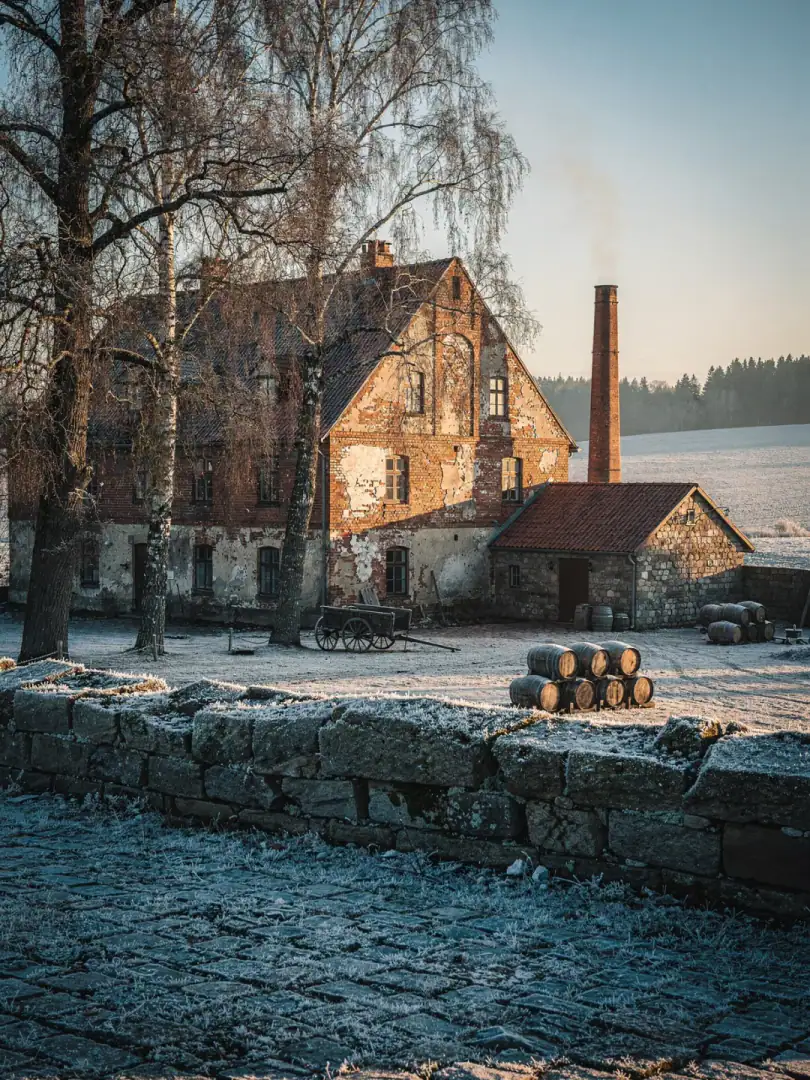
From the 15th and 16th centuries onward, Baltic German lords of the manor distilled spirits from the rye grown on their lands, first for the estate itself, then for sale. By the 18th century this had become a lucrative business: around 1799, Estonia counted 731 distilleries, with almost every larger manor running its own.
In Rakvere, the main town of Lääne-Viru, a newly built distillery went into operation in 1938 whose spirit, at 98% ABV, entered the Guinness Book of Records as the strongest and purest alcohol ever produced. At the nearby Moe manor, a distillery museum today recalls this era of the great manor houses.
In Tallinn itself, the foundation stone for the state vodka warehouse Kroonu Viinaladu No. 1 was laid on September 25, 1898, and from it the Liviko distillery later emerged. When Finland enforced Prohibition between 1919 and 1932 and Estonia became a smuggling hub, the name "Viru Valge" caught on as a way to distinguish genuine Estonian vodka from moonshine.
In 1940 the Soviet Union occupied the country, distilleries were nationalized, and vodka became a matter of the state. In 1962, Liviko introduced the Viru Valge brand under this old name as a standalone product, and it remains Estonia's oldest vodka brand to this day.
After regaining independence in 1991, Liviko stayed in Tallinn and grew into the Baltic's largest spirits producer, now selling its bottles in around 60 countries.