Hanseatic League and Monopoly
Region & History
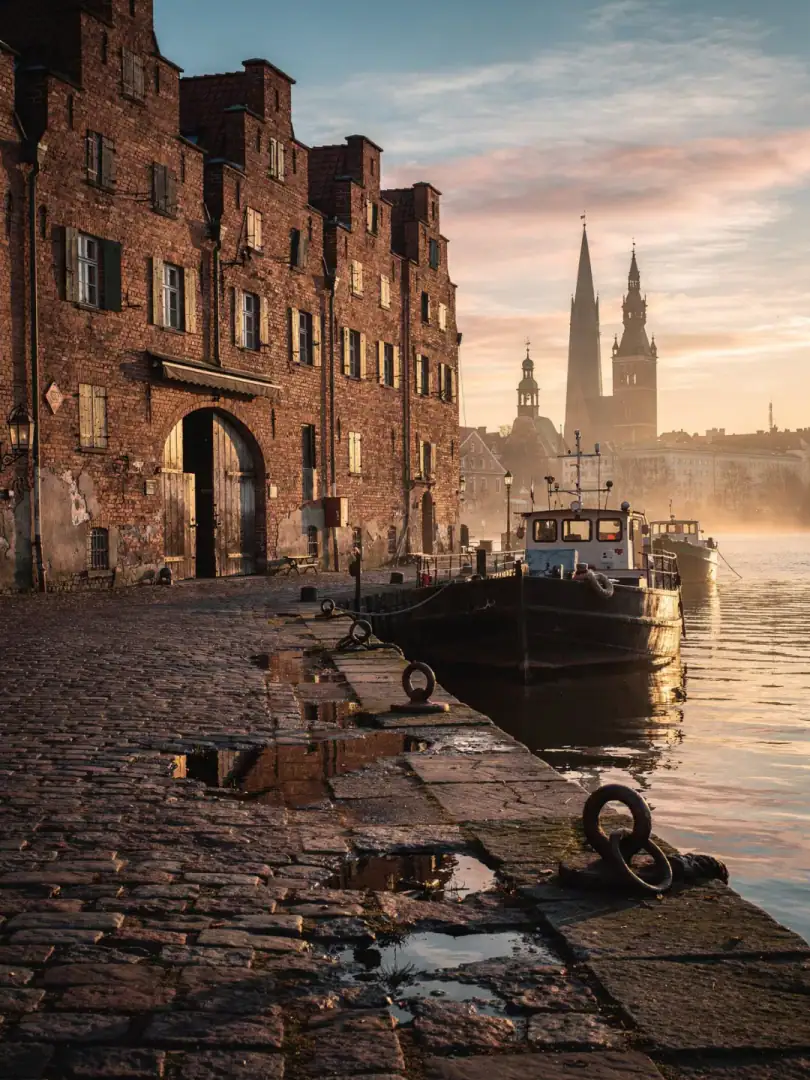
Vecrīga, the Old Town on the right bank of the Daugava, belonged to the Hanseatic League in the Middle Ages. Merchants stored grain, furs, and brandy in the narrow warehouses near the harbor before the cargo was loaded onto cogs and ships. The river brought trade into the city long before Riga's own vodka began to flow.
In 1900, the state Vodka Warehouse No. 1 opened in Riga — a sober name for the start of a distillery that still exists today. After Latvia's declaration of independence in 1918, operations resumed, modestly at first with around 25,000 bottles.
The Soviet era brought the next turning point. In 1948, the factory began distilling Stolichnaya according to a Russian recipe, that clear vodka made from wheat and rye which the Soviet Union exported to the West. In 1970, the operation was renamed Latvijas Balzams, the name it still carries today.
After renewed independence in 1991, the state enterprise was privatized during the nineties, becoming a joint-stock company in 1997. The export rights for Stolichnaya remained in Riga, while the owners fought over the brand: since 2003, Latvijas Balzams, through its parent company Amber Beverage Group, has been locked in legal battle with the Russian state enterprise Sojuzplodoimport over the names Stolichnaya, Stoli, and Moskovskaya. In 2020, a Dutch court ruled in Russia's favor and banned sales in the Benelux countries, where the brands had in any case already disappeared from shelves since 2015.
Older than any vodka story is Riga Black Balsam. In 1752, the apothecary Abraham Kunze blended his herbal elixir in the city. According to legend, he used it in 1789 to cure Empress Catherine the Great of a stomach ailment, after which she granted him the sole right to brew it. To this day, supposedly only the master brewer and two assistants know the complete recipe.