Tsarist Monopoly & Soviet Era
Region & History
At the confluence of the Nemunas and Neris rivers lies Kaunas, Lithuania's second-largest city. In the heart of the old town, at the corner of Bažnyčios and Girstupio streets, a distillery called Stumbras—Lithuanian for bison—has stood for more than a hundred years.
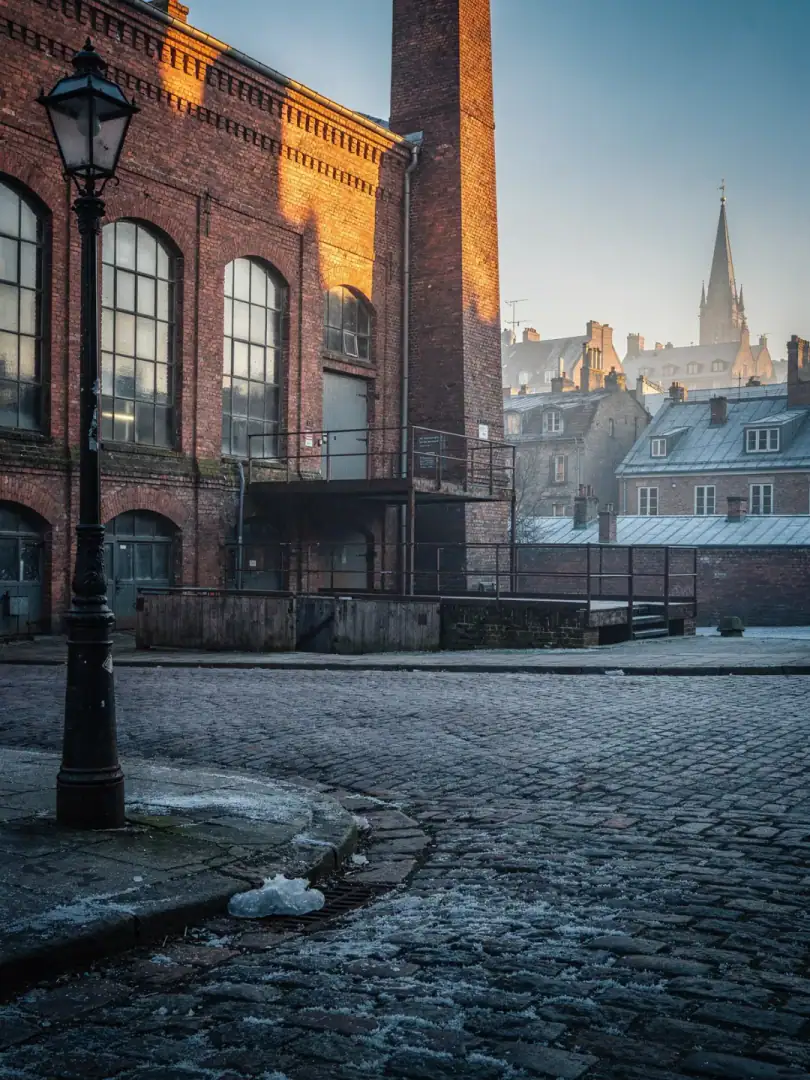
The story begins in 1894, when the Tsarist Empire passed a law making alcohol production a state monopoly. The state wanted to fill its coffers while also raising the quality of vodka, since private distilleries weren't always strict about purity. In 1903, the city of Kaunas purchased a plot of land for 52,200 rubles, a considerable sum at the time, and by 1906 the building stood there, officially named the "Kaunas State Wine Warehouse No. 1."
After the Soviet occupation, all businesses were nationalized. In 1948, the state merged the factory with the liqueur factory of Mykolas Velykis, also based in Kaunas, into a single enterprise under the name Stumbras. What had once been a tsarist distillery became the largest beverage producer in Soviet Lithuania, with sales reaching far beyond the city limits.
Only after independence was regained did things change again. In 2003, the MG Baltic conglomerate privatized the plant, followed by a complete technical overhaul, and today Stumbras belongs to the MV Group. From Kaunas, bottles now ship to around thirty countries.
Not every spirit from Kaunas came from the state distillery. The herbal bitter Trejos Devynerios already existed in the 19th century in Lithuanian pharmacies, originally in the seaside resort town of Palanga on the Baltic coast. There, pharmacists blended 27 herbs and spices into pure grain spirit and sold the result against colds, migraines, and exhaustion. Anyone drinking a glass of it in Kaunas today is essentially raising an old medicine.