Cold & Trade Route
Region & History
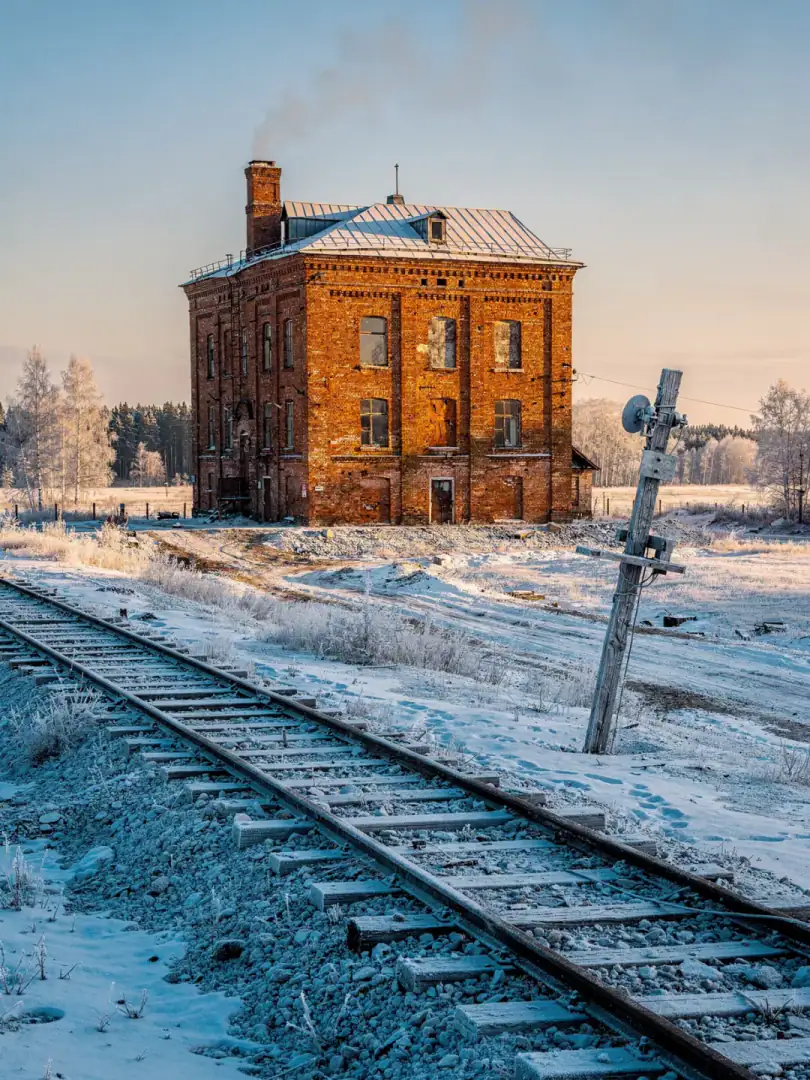
In Mariinsk, a small town in Kemerovo Oblast, winter temperatures often drop to minus thirty degrees Celsius and lower. The settlement was founded toward the end of the eighteenth century along a Siberian trade route. Later, the Trans-Siberian Railway passed through here. The oblast is best known as the Kuzbass coal region. Yet fertile farmland lies right in the middle of it. All around, barren taiga alternates with open steppe, a landscape that forgives little and demands plenty of patience.
In 1900, a distillery was established here. Over the course of the twentieth century, it supplied vodka to large parts of Russia, long before a single brand made a name for itself. That changed in 2002, when Beluga vodka was created in Mariinsk, named after the caviar-producing sturgeon and with a similar claim to refinement.
In 2006, the Synergy corporate group bought the distillery. It aimed to consolidate a large share of its spirits production in Siberia. The region was seen as a location with clean water and a long distilling tradition, far from the capital cities but carrying its own weight.
About fourteen hundred kilometers to the west, in Omsk, Soviet technologists developed their own recipe in 1976 under the name Sibirskaya. The label featured a troika, three horses in the snow. It was an image of Russian winter and Siberian frost that drew attention both at home and abroad.
In 2022, the Beluga Group sold the international rights to the brand. The Montenegrin Noblewood Group paid around seventy-five million dollars for it and has been producing it itself since 2023. The brand name thus traveled farther than the distillery that invented it. But its story remains tied to Mariinsk and the cold of Siberia.