What's happening right now
Flavored trends today
From sweet fruit bombs to vodka with as little sugar as possible: the market for flavored vodka has changed noticeably in recent years. Three developments are shaping it especially strongly right now.
Less sugar, more real ingredients
Many new flavored vodkas now explicitly advertise reduced sugar content and real fruit extracts instead of pure flavoring compounds. The reason lies in changing tastes among many buyers, who still want flavor but no longer want the sticky sweetness of older fruit vodkas from the nineties.
Smaller distilleries increasingly rely on distilled rather than merely macerated flavors, where fresh ingredients pass through the still instead of just steeping in the finished alcohol. The result often comes across as cleaner and less overpowering than classic syrup-based flavorings, but costs considerably more to produce.
Savory instead of sweet flavors
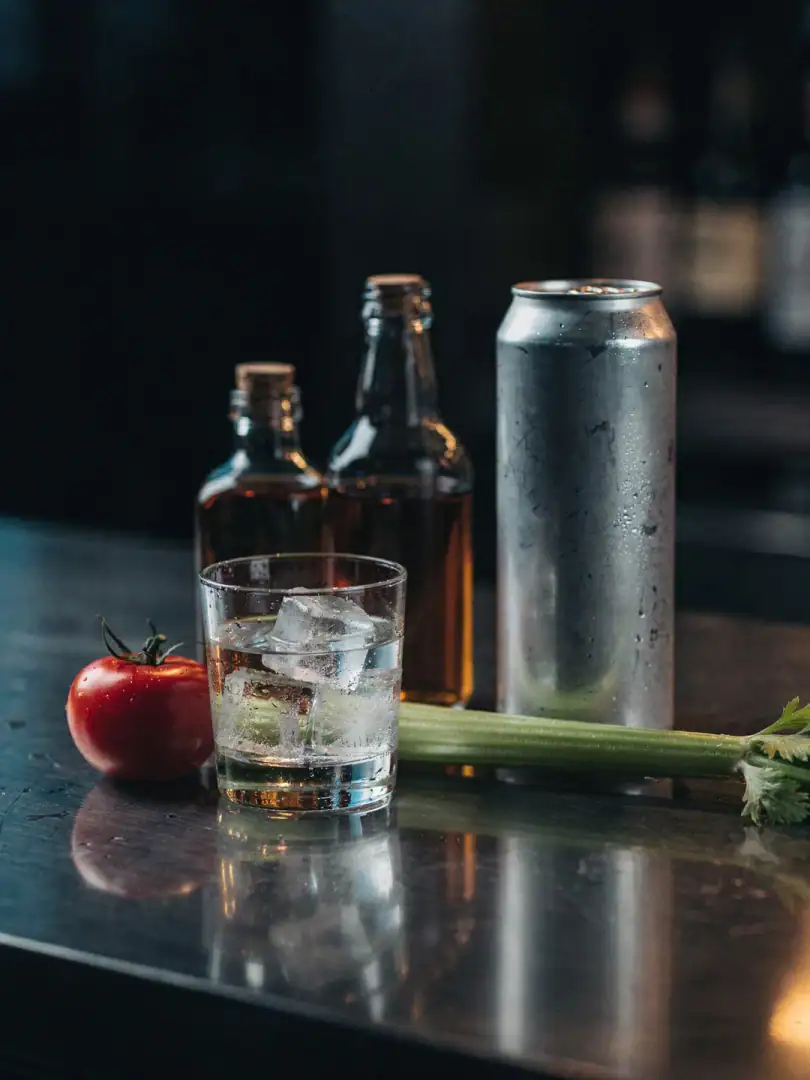
Alongside fruit and herbs, savory directions are gaining ground: vodka with tomato, celery, or smoked chili, designed for savory cocktails like the Bloody Mary rather than sweet long drinks. These varieties continue the old pepper vodka tradition, just with a broader range of ingredients than before.
Salty and umami-forward notes are also increasingly appearing, for instance through seaweed or smoked spices. For bartenders, such flavors are practical, since they can add savory depth to a cocktail without many extra ingredients, instead of needing additional syrup or juice.
Small distilleries instead of pure corporate brands
Alongside the big international brands, small, regional distilleries have established themselves in recent years, producing their own herbal or fruit vodkas in small batches. They often draw on local ingredients, such as native berries or regional herbs, and deliberately position their bottles as a counterpoint to mass-produced goods.
These small brands often combine traditions like Nalewka or Pertsovka with modern presentation and clearer ingredient lists. For buyers, this means more choice, but also more effort in comparing, since quality and sweetness vary more from brand to brand than with established major brands.
Ready-made cocktails instead of just the bottle
Ready-mixed canned cocktails based on flavored vodka are among the newer trends, for example with lemon or berry, designed for on the go or as a quick alternative to a home bar. In doing so, they take over part of the role that pure flavored vodkas once played in quick mixed drinks.
At the same time, the classic format of bottle, ice, and a few ingredients remains the preferred way for many to enjoy flavored vodka, since sweetness and strength can be adjusted individually that way. Both formats are likely to coexist for the foreseeable future, depending on occasion and taste.
What matters for buyers when comparing
Anyone buying flavored vodka today has a choice among many styles. That makes comparing more important than before. A look at the ingredient list often reveals more than the front label. Real extracts are usually named specifically. Pure flavoring compounds, on the other hand, are often only mentioned generically.
The sugar content is also worth a second look. Some bottles look dry but taste distinctly sweet. Others advertise low sugar and actually deliver on it. Only comparing several brands reveals real differences. The first impression on the shelf is rarely enough for that.
For getting started, a small selection from different categories is worthwhile. A herbal vodka, a fruit vodka, and a savory representative show the range well. That makes it easy to quickly find out which direction suits your own taste. The rest of the journey, from bison grass to Starka, offers plenty of ideas for that.
In the end, taste remains the final authority. Rules and categories only set the framework. Within that framework, everyone decides for themselves what they enjoy. That's exactly where the appeal of the whole flavored family lies, from bison grass to the next new idea on the shelf.