The short answer
Alcohol-free spirit alternatives are meant to take on the role of a spirit in a drink. Even so, they're independent beverages in their own right. Without alcohol, producers have to achieve aroma, mouthfeel, and shelf life another way.
Not simply spirit minus alcohol
On the shelf, these products are often called "alcohol-free gin" or "zero spirits." The name is misleading. They aren't spirits that someone later removed the alcohol from. They're built as their own beverages from the start.
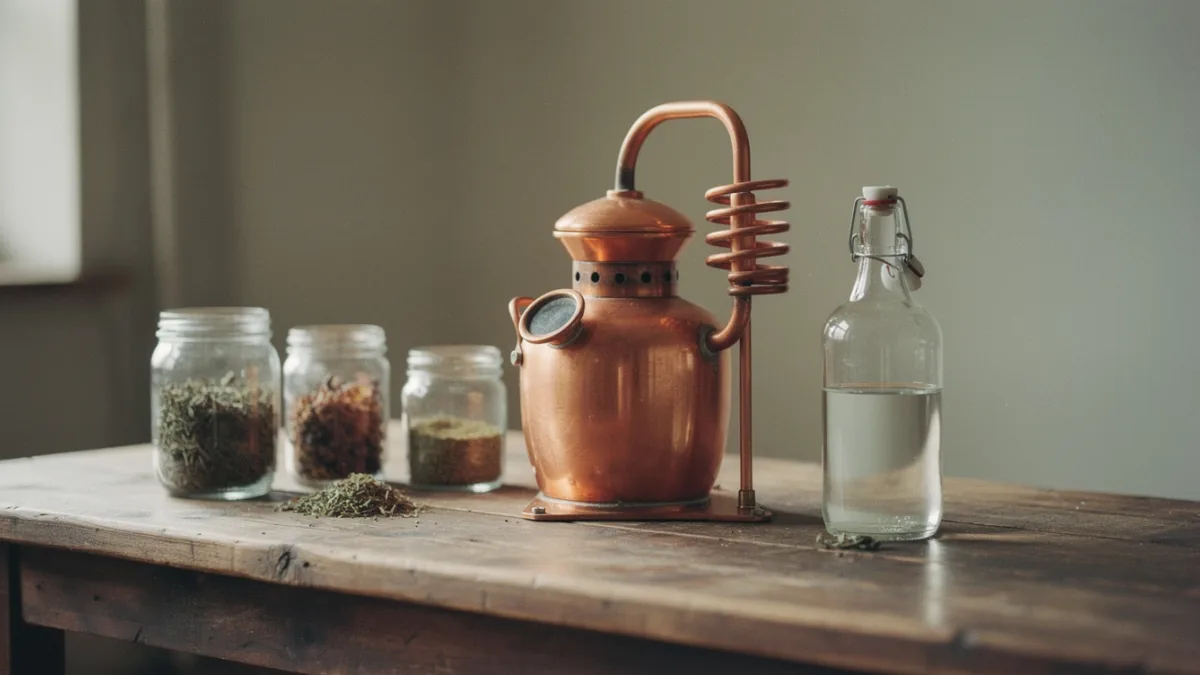
To do this, producers work with aromatic water distillates and other methods. A distillate is created by extracting and capturing aromas from plants. This is how they build up scent and a certain structure. Neat, though, the result doesn't have the same effect as gin, rum, or whisky. Many products are designed specifically for mixing anyway.
Alcohol does more in a drink than it gets credit for. It carries aromatic compounds to the nose. It gives the drink body — a perceptible weight on the palate. And it creates that slight warmth perceived as structure. Once the alcohol is gone, all three of these are missing at once. No single flavoring fully replaces them.
That's why producers turn to other means. Bitter compounds create a counterpoint to sweetness. Spice from pepper or ginger mimics the missing warmth. Tannins create a dry, gripping sensation in the mouth. The result can be very good. Still, it isn't a copy of the spirit.
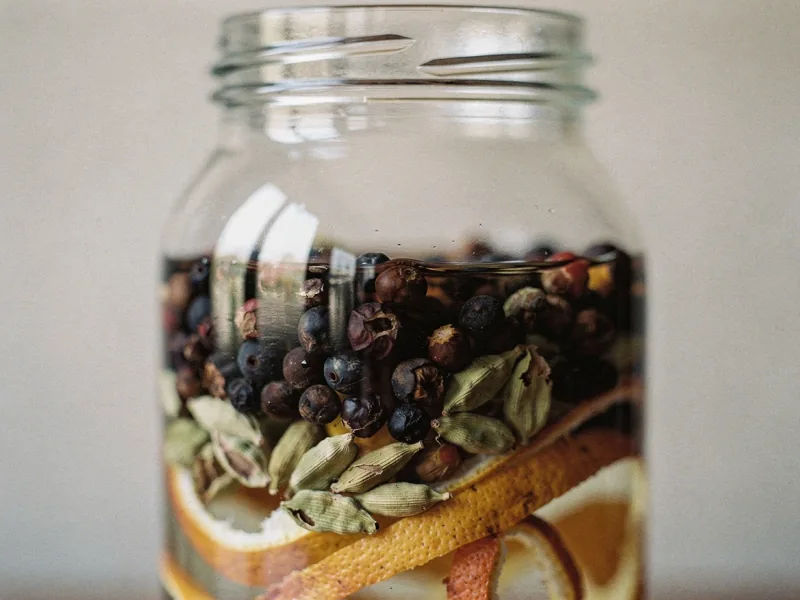
With gin alternatives, you'll often find juniper, herbs, and spices in the ingredient list. Juniper is the berry that gives gin its characteristic aroma. So the ingredient list tells you which direction a product is aiming for. Take a look at it before letting the bottle design guide you.
Start with the recommended mix
First read the serving suggestion on the bottle. Try the drink exactly in that ratio. The producer developed the product for this mix. If it then seems too thin or too sweet, change just one ingredient in a small trial batch.
A one-to-one swap doesn't work for every recipe. A classic spirit brings alcohol along with it, and that's precisely what's missing here. Quantities, and often the order too, need to change as a result. Start with half a glass before mixing a full round.
Pay attention to the specific alcohol content and to storage instructions after opening. The familiar shape of a spirit bottle is no guarantee of shelf life. Without alcohol, shelf life is achieved differently. What the producer states applies.
Judge a new product in the intended drink first, before buying a large bottle of it. Taste and occasion will help you decide more than the question of a perfect imitation.
The price surprises many people. These products often cost as much as a spirit, even though no alcohol tax applies. That's down to the process and the small batch sizes. So calculate differently: how often will you actually open the bottle? For an occasional glass, the smaller bottle is the better choice.