Russia's State Standard
Russia and the GOST Standard
GOST stands for Gosudarstvenny Standard, Russia's state standard. On a vodka bottle, the GOST marking indicates that the recipe and testing procedures follow a defined technical standard—not that it represents a protected designation of origin as in Poland.
What Exactly Is GOST?
Its origin lies in the Soviet Union, where the state standardization system GOST was created. Russia and several successor states still use it today for many product categories, from building materials to foodstuffs. For vodka, the standard GOST R 51355 regulates, among other things, alcohol content, filtration, and permitted additives.
Unlike a geographical indication, GOST doesn't protect a place name but describes a technical process. Two producers in entirely different parts of Russia can therefore both work to the same GOST standard and both carry the marking.
What Limits Apply in Russia?
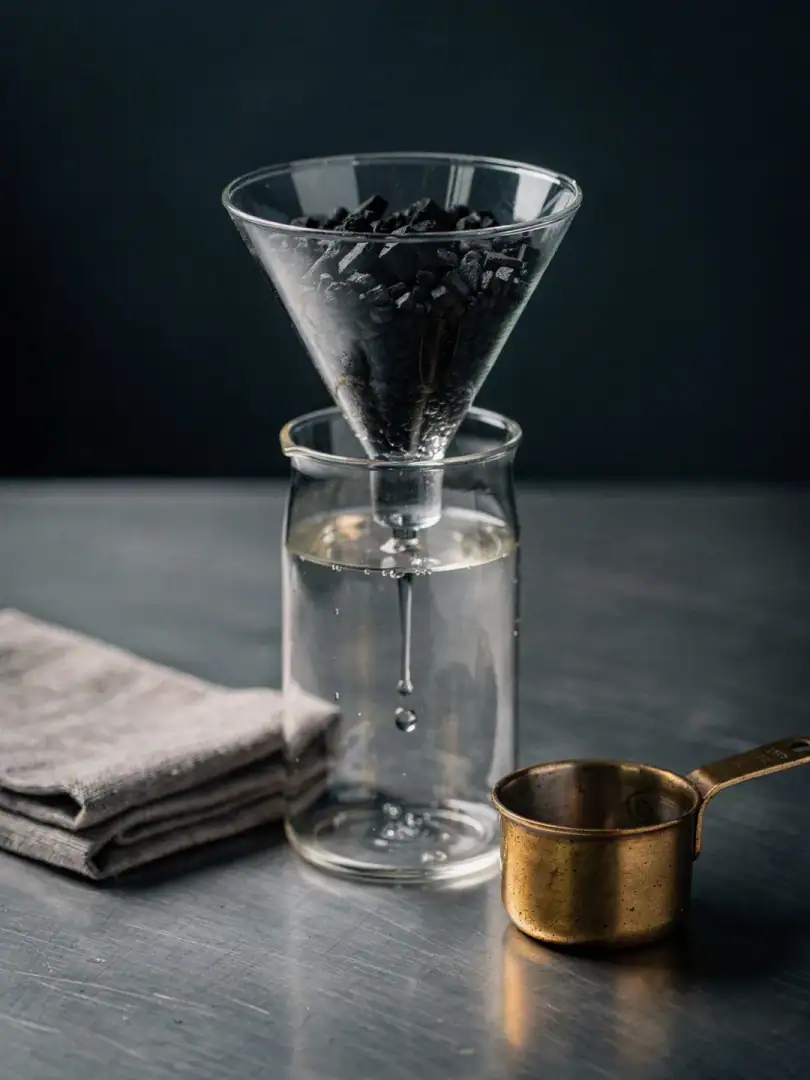
The Russian standard permits vodka strengths of 40 to 45 percent, as well as 50 and 56 percent ABV, well above the European minimum of 37.5% ABV. It also mandates treating the water-alcohol mixture with activated carbon or a comparable adsorbent, followed by filtration, before bottling is allowed.
These filtration steps are meant to bind unwanted congeners such as fusel oils or aldehydes. The standard also sets maximum limits for such substances and specifies how samples must be tested in the lab.
The alcohol strengths mentioned are fixed requirements. A bottle at, say, 38 or 47 percent ABV would not comply with the GOST standard for vodka, so producers must choose one of the permitted levels before bottling.
What Distinguishes Vodka from Special Vodka?
Within the GOST standard, a distinction is made between plain vodka and so-called special vodka. Plain vodka consists essentially only of water and alcohol, while special vodka may contain additional ingredients such as honey, herbs, or fruit flavorings, as long as the remaining technical limits are observed.
For buyers, this means: the term special vodka on a Russian label is not a statement of quality but simply indicates a different, permitted ingredient category within the same standard.
Is GOST a Quality Seal or Just a Standard?
GOST is often presented in marketing as if it were a quality seal, but it is really just a technical minimum standard, comparable to a DIN standard. It says nothing about the craftsmanship, tradition, or flavor of a particular brand—only that the measured values fall within the set limits. Anyone wanting to know more about a specific bottle needs to look beyond the mere GOST label and research the producer and place of manufacture.
What Applies When Exporting a GOST Bottle
If a vodka made to GOST standards is exported to the EU, it must also meet European minimum requirements, such as the minimum strength of 37.5% ABV noted at the first stop of this journey. The Russian standard does not replace EU rules when selling in Europe—it applies in addition to them.
The label will then often show both systems side by side: the GOST reference as an origin detail, and the mandatory information required in the EU, such as alcohol content and fill volume. In the end, what matters most to buyers is the mandatory EU information; GOST remains supplementary information.
Where Does the Word Vodka Come From?
The word vodka traces back to the Slavic voda, meaning water. The diminutive form wódka in Polish and водка in Russian literally means little water, a hint at how naturally the drink was long regarded as an everyday beverage. Early mentions in Polish and Russian sources date back to the Middle Ages, though at the time these often referred to herbal extracts used medicinally, not the neutral spirit of today.
Both countries still claim historical authorship of the drink today, a dispute that can't be conclusively resolved because early records are incomplete. The GOST standard covered at this stop is therefore less evidence for a particular origin story than a modern technical framework that governs current production in Russia, regardless of where the name originally arose.