The short answer
Ice chills the drink and releases water as it melts. This dilution is factored into many recipes and is part of the finished result. It's not a flaw to fix, but an ingredient with no line of its own in the recipe.
The Recipe Means the Finished Drink
Ice serves two purposes in the glass. It makes the drink cold, and it extends it with water. Both happen at once and can't be separated from each other. That's exactly why a recipe also depends on the time the ice is given.
In a classic Negroni, ice and gentle stirring are part of the process. If you simply pour the three ingredients together unchilled, you won't get what the recipe describes.
Dilution is part of the recipe, not its enemy. A stirred Negroni picks up about a fifth of its volume in water during preparation. Without that water, it would be harsh and unbalanced.
Anyone who pours the three ingredients together neat doesn't get a concentrated original. They get an unfinished drink. A recipe always describes the glass in front of you at the end, not the sum of the bottles.
What You Can Control at Home
Work with clean ice made from drinking water and a suitable glass. If you want to compare two attempts, the ingredients and glass should be at similar temperatures both times. Otherwise, you're measuring your fridge, not the recipe.
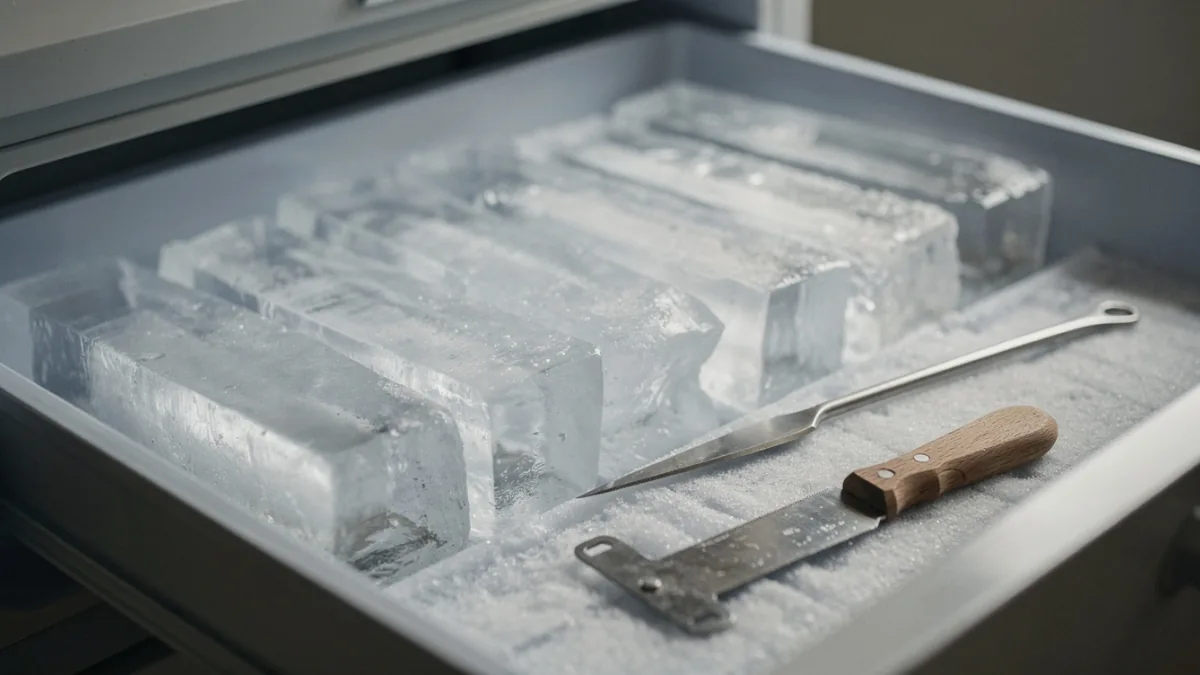
Large ice cubes are the biggest lever you have at home. Relative to their volume, they have less surface area. That's why they melt more slowly while still chilling well.
The difference is significant. A drink with one large cube stays drinkable for twenty minutes. The same drink with crushed ice turns to water after five.
Even the amount of ice works differently than most people assume. A glass full of ice melts more slowly than a half-full one, because the cold mass holds its temperature. Skimping on ice waters down your drink.
If a drink turns thin on you too quickly, note two things: how long it sat and how warm the ingredients were. Change only one of these the next time around. Adding more alcohol isn't necessarily the fix.
The same question applies to a non-alcoholic drink. How should it taste while you're drinking it, not just right after mixing? The second sip matters just as much as the first.
The same drink tastes different cold than it does lukewarm. So let it get properly cold before you judge the recipe. Judging a half-chilled glass almost always leads you in the wrong direction.
Avoiding Ice Mistakes When Mixing
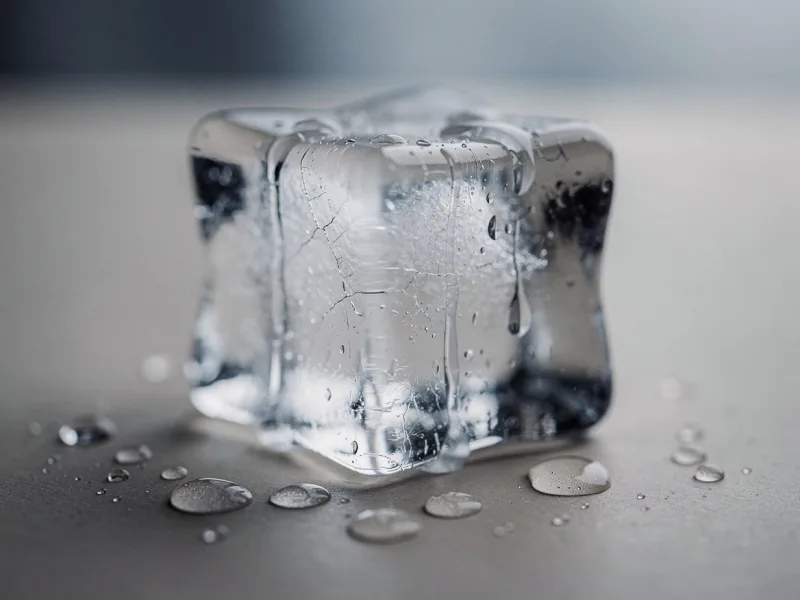
Almost all ice mistakes at home share the same cause: the ice starts working before the drink is even finished. Fixing this costs nothing but a bit of attention. Bringing ice into play only at the last moment solves most of the common problems right away.
| Observation | Next Attempt |
|---|---|
| The drink turns watery before mixing is even done | Prepare the ingredients first and add ice only right before mixing. |
| The glass warms the finished drink up quickly | Pre-chill the appropriate serving glass. |
| Multiple servings turn out unevenly | Work with enough ice in matching individual batches. |