Flavor or neutrality
Can you actually taste the raw material?
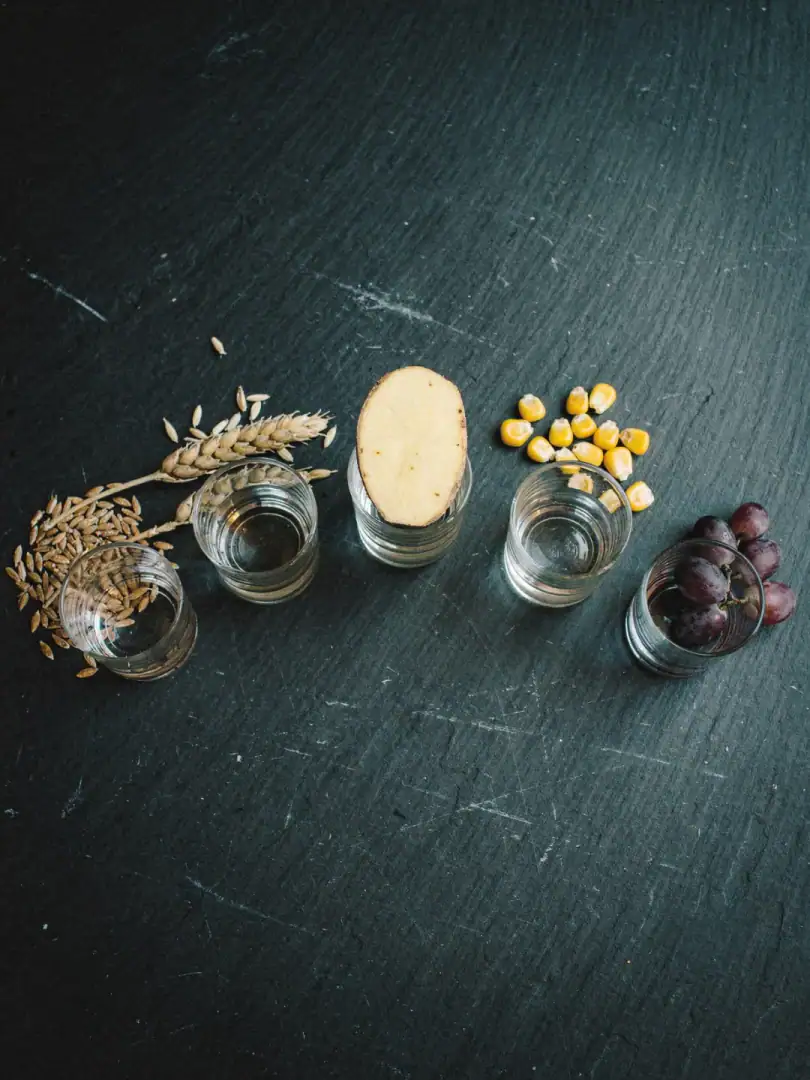
After eight stops covering grain, potato, fruit, and water, the real question remains: can you actually taste any of this in the end? This final stop sums up what raw materials genuinely change and where marketing promises more than the glass can deliver.
What blind tastings actually show
In controlled blind tastings, even experienced drinkers regularly struggle to reliably tell vodkas made from different raw materials apart. This holds especially true once all the samples are heavily rectified and diluted to similar strength. The reason lies in the very definition of vodka: the regulation calls for an alcohol whose organoleptic characteristics have been deliberately minimized. The process is therefore designed from the outset to blur differences between raw materials. This very effect makes serious raw-material comparisons harder than the colorful variety of labels on supermarket shelves might suggest. Even trained tasters within the spirits industry therefore often reach for measuring instruments rather than relying on taste alone when it comes to precisely identifying a raw material.
Where differences remain noticeable, they rarely concern aroma but rather texture: potato vodka feels oilier, rye drier, wheat rounder. These differences show up mainly in the mouthfeel, less in the smell that many people instinctively check first. With high-proof alcohol, that smell is quickly masked by the sharpness of the alcohol anyway. Anyone who really wants to compare should therefore pay less attention to the aroma from the glass and more to the feel on the tongue after swallowing.
Why fewer pure varieties reveal more
Craft distilleries that deliberately opt for a lower degree of rectification preserve more of the original raw material character than large industrial brands. A traditionally distilled rye vodka with a recognizable spiciness differs more clearly, in a direct comparison, from a neutral corn vodka than two highly purified mass-market brands do from each other. Anyone who really wants to taste the difference between raw materials should therefore seek out such less heavily purified varieties, rather than comparing random bottles off the supermarket shelf. Such bottles rarely carry a flashy mass-market label; they usually come from smaller, often regional distilleries that describe their production in detail. Anyone who finds such varieties can often recognize them by the price, which is higher than that of a standard mass-market product but rarely a multiple of it.
Drinking temperature also affects the outcome: heavily chilled vodka numbs the tongue and further masks subtle differences. Vodka at room temperature, by contrast, reveals more of its true character, but also lets the sharp note of alcohol stand out more clearly. Anyone serious about comparing is therefore best off tasting both versions in small amounts, one after the other. The shape of the glass and the amount per sip also influence the result more than many hobby tasters assume.
What really matters in the end
For everyday purchasing decisions, then, the raw material is less a promise of flavor than an origin story that brands tell to set themselves apart from one another. Anyone who drinks vodka neat and pays attention to nuances can, with some practice, distinguish rye from potato. Anyone who mostly uses vodka in cocktails, however, will hardly notice the differences, because other ingredients dominate the flavor and mask the subtle character of the raw material. This experience matches the results of the controlled tastings from the first stop in this chapter. The raw material shapes above all what we know about a product, less often the immediate impression in the mouth. In the end, the choice of raw material remains a matter of personal preference and drinking style, not a question of objectively right or wrong.
This journey through the raw materials therefore ends with a sober conclusion: origin and grain type explain a great deal about history, law, and production, but only little about what actually reaches the tongue in a quick sip. This conclusion doesn't diminish the value of the previous stops, it simply puts it in proper perspective: as knowledge about origin and production, not as a promise of a dramatic difference in taste in the glass.