Grain & Texture
Tasting
Vodka from this region rarely tastes neutral in the strictest sense, even when marketed as flavor-neutral. Wheat from the black earth brings a subtle, almost bready sweetness that registers on the palate first, before the alcohol itself is even felt. This isn't chance, it's a direct consequence of the grain the vodka is made from.
Khortytsa is named after the island near Zaporizhzhia and has been distilled there since 2003. According to the producer, it ranks among the best-selling Ukrainian vodkas internationally. It tastes smooth and relatively mild, with a delicate sweetness drawn from the wheat.
Pervak, by contrast, relies on two classic distillation runs with roasted bread added in the second pass. This gives it a rounder, faintly smoky, bready character, closer to what home-distilled vodka once was. Chlibnyj Dar, from the region around Cherkasy, comes across as drier and sharper on the first sip. All three sit at around 40 percent ABV, like nearly every Ukrainian vodka. The difference lies entirely in the raw material and distillation method.
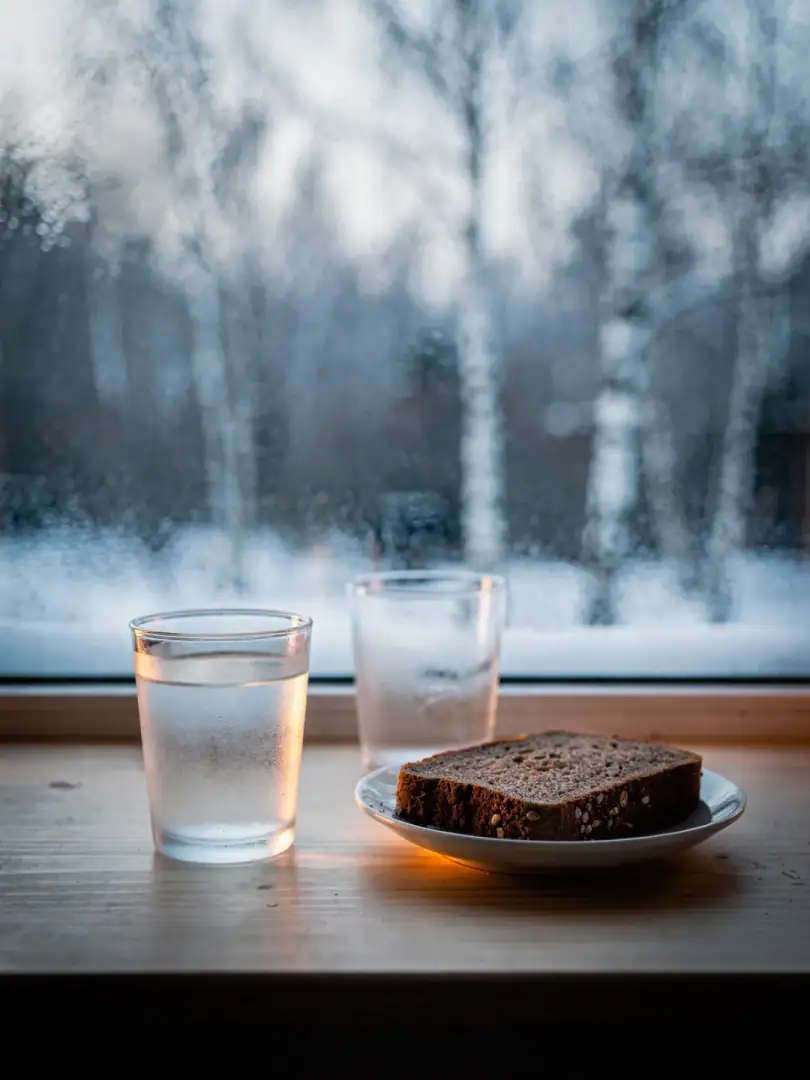
For tasting, a small, narrow glass that's spent a short time in the freezer is all you need. Start by smelling the cold glass, then take a small sip and hold it briefly in the mouth. It shouldn't be knocked back like a shot.
The aftertaste reveals the most about quality. A good wheat vodka leaves behind a mild sweetness and barely any burn in the throat. A poor one, by contrast, tastes mostly of alcohol and little else.
Between tastings, a neutral bite of bread or a slice of cucumber helps reset the palate, so the next vodka doesn't carry the taste of the last.