Cold Fermentation
Yeast & Fermentation
Brazilian lagers are bottom-fermented, Bohemia Pilsener included. This means the yeast sinks to the bottom after fermentation and works at low temperatures, usually between 8 and 13°C (46 and 55°F). The yeast strain is a hybrid of two yeast species, the lager yeast Saccharomyces pastorianus. It ferments cool and leaves behind little fruity aroma.
Lagering follows the primary fermentation. The young beer matures near freezing, the yeast settles out, sulfur notes dissipate, and the beer becomes clear and rounded. The word "lager" means exactly that: to store. The longer you wait, the finer the beer becomes, though large breweries usually shorten this time for cost reasons.
For the brewers in Petrópolis, the coolness of the Serra was a gift in the 19th century. Anyone wanting to brew lager in Rio had to bring in ice or could only brew bottom-fermented beer during the cooler months. The Serra offered better conditions year-round.
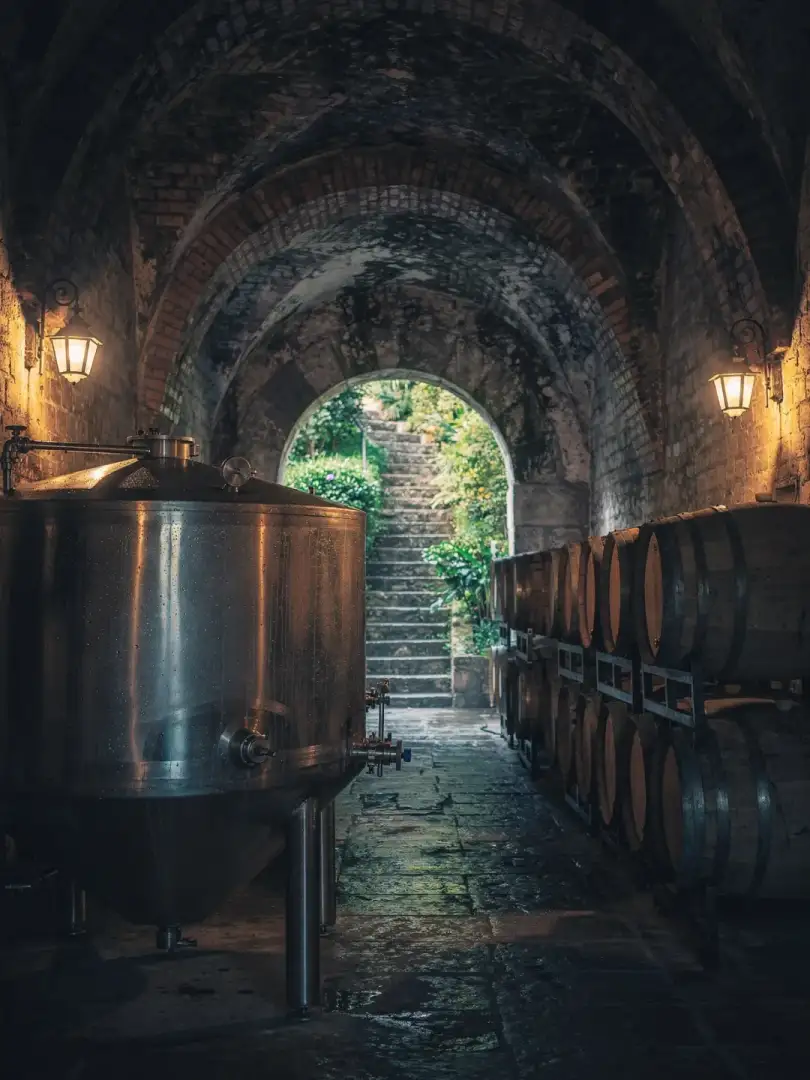
Today this happens in jacketed stainless steel tanks, in Petrópolis as everywhere else. The old factory now houses the Museu da Cerveja, where you can trace the history of the technology, from fermentation vat to modern equipment.
One difference between bottle and keg remains: bottled beer is usually pasteurized, briefly heated to extend shelf life. Draft beer, called "chopp" in Rio, depends on rapid delivery and consistently cold storage. The same recipe often tastes fresher on draft because it's experienced less heat. That's why bars in Rio place so much value on short distances between brewery, cold room, and tap.