Pale Pilsner Malt
Malt & Grain
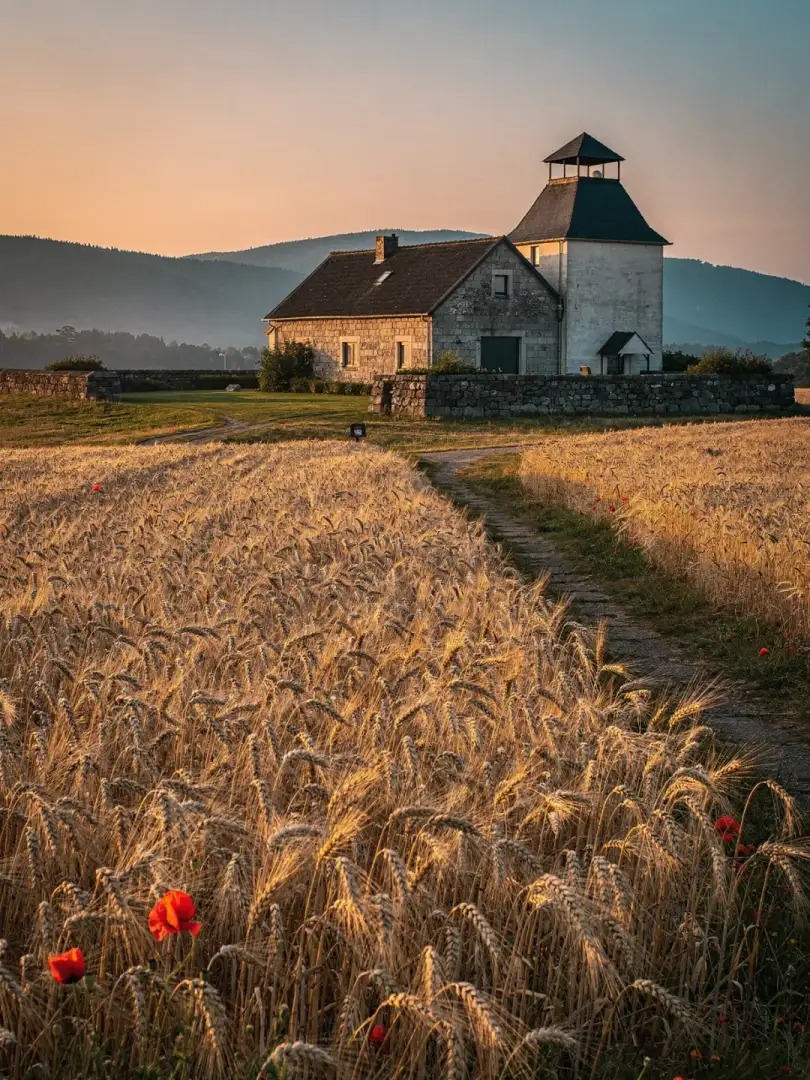
A Pils starts with pale barley malt, and that's just as true for the beer from Bitburg. Malt is barley that's been steeped in water, allowed to germinate, and then gently dried, so the starch in the grain can be converted into sugar during brewing. The paler the kilning, that is, the drying, the lighter and milder the resulting beer.
Pilsner malt is kilned at low temperatures, and the kilning itself plays almost no role in flavor. The beer is meant to taste of bread and grain, not caramel or roast. That's why a Pils is straw-yellow to golden in color. The style guideline for German Pils calls for 4 to 8 EBC, a measure of beer color.
We won't go into details about the barley varieties or maltings used by the Bitburger Brewery here, since reliable information isn't available. What is certain is what the Reinheitsgebot (Purity Law) prescribes for bottom-fermented beers in Germany: barley malt, hops, yeast, and water. A bottom-fermented beer in Germany may not contain wheat, corn, or sugar.
The small brewers of the Eifel rely on malt too. The Vulkan Brauerei in Mendig ages its beers in barrels, according to the brewery. A beer with more body needs more malt, meaning a higher original gravity—the dissolved sugar in the wort before fermentation. More sugar later means more alcohol and more body.
Anyone looking for the Eifel in a glass should look for restraint in the malt. The pale-kilned barley malt delivers a clean, bready aroma as a quiet foundation, on top of which the hops take the leading role. This structure is what makes Bitburger Pils dry and eminently drinkable.