Lowlands, Floodplains
Water & Soil
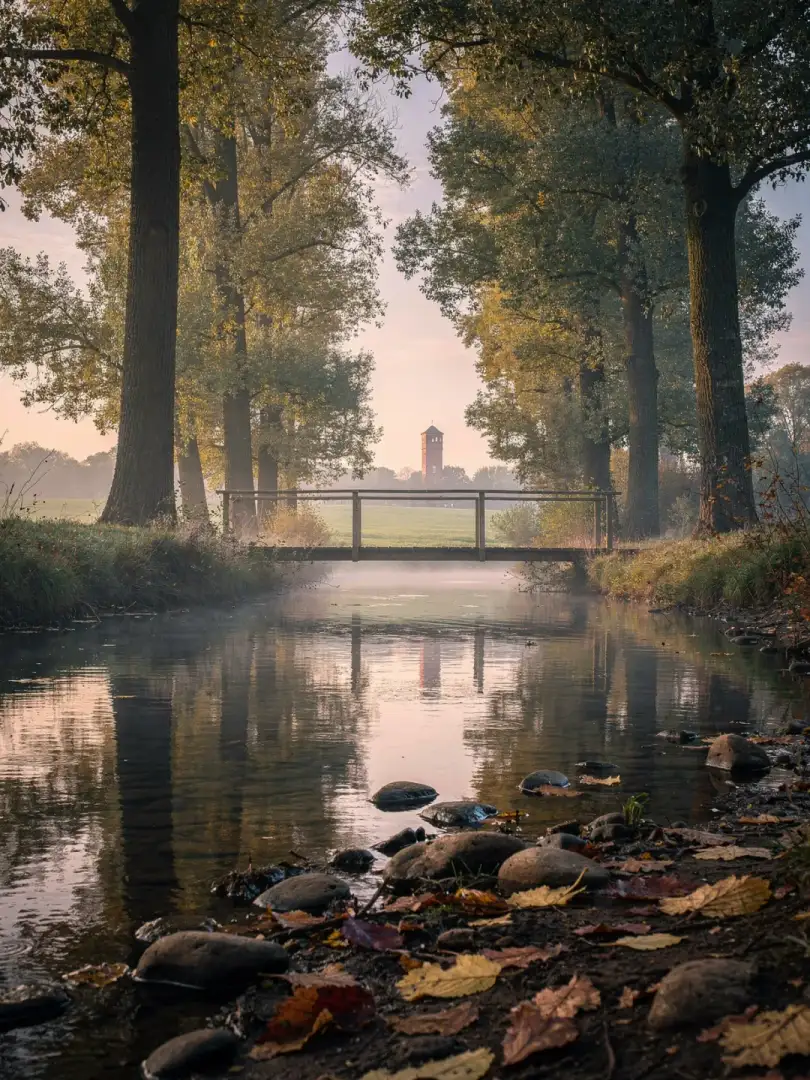
Leipzig sits in the Leipzig Lowland Basin, a flat landscape where the Weiße Elster, Pleiße, and Parthe rivers branch into a network of river arms and floodplain forest. There are no mountains or rock springs here as in the Harz. The water can't explain Leipziger Gose, and no verified hardness figures exist for the city, so none are listed here.
That fits the history of the style. With Gose, the flavor doesn't come from the brewing water but from the kettle: salt is added to the wort so it tastes lightly salty. How much is up to the brewery's recipe—there's no fixed standard.
Goslar in the Harz offers the explanation most often told. The water there is said to have been naturally salty, and in Leipzig people simply added the salt themselves. This can't be considered confirmed fact, but it does explain why a beer from the Harz needed a salt barrel by the kettle's edge in a city without a salt spring.
More important today than the terroir is the water treatment. Nearly all breweries process their water, softening it or adjusting it as needed. Gose therefore lives through recipe and fermentation management, not through its source.
The city's climate, too, plays only a minor role. Leipzig has mild summers and cool winters, and Gose ferments warm regardless. It's stored in tanks and bottles, not in rock cellars, and the Gosebrauerei at Gasthaus Bayerischer Bahnhof displays its kettles openly in the dining room.