Palatinate Brewing Barley
Malt & Grain
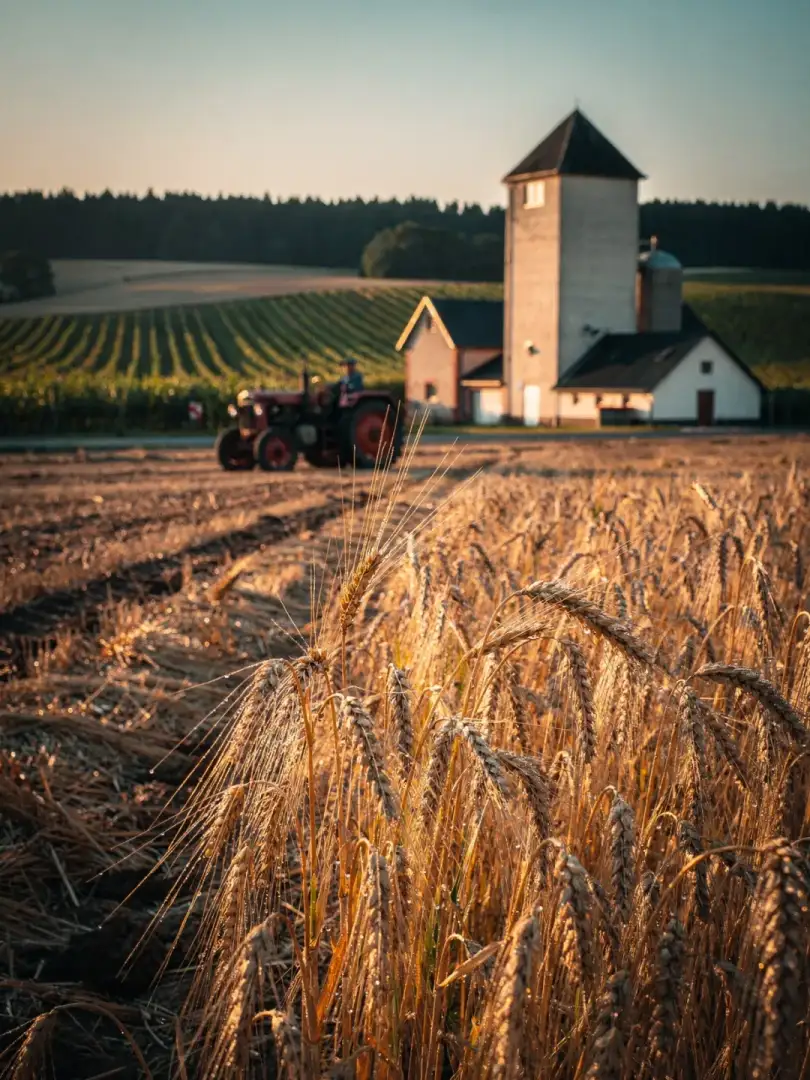
Brewing barley is an important crop in the Palatinate. According to one account of Palatinate brewing and agriculture, the area planted with brewing barley in the region is actually larger than the area under vine. That might come as a surprise, since most people think of wine first when they hear ‘Palatinate,' yet the fields of the Vorderpfalz and Nordpfalz grow plenty of barley.
Malt comes from barley by letting it germinate and then drying it. During germination, the grain forms enzymes that later convert starch into sugar at the brewery. The drying step is called kilning and takes place at the malthouse under rising heat. The higher the temperature, the darker and more robust the malt becomes.
The region's pilsner calls for very pale malt, one that tastes light, mild and slightly sweet. Smoked malt or heavily roasted varieties rarely appear in this area's flagship beers. Dark malt shows up more in the specialty beers, such as a doppelbock or a black lager, both of which feature in Bischoff's lineup.
Wheat beer, on the other hand, needs wheat malt — in the Falkensteiner Ur-Weisse, that means a large share of wheat alongside the barley. Wheat gives the beer its fullness and the creamy head typical of a hefeweizen. As for German beer law: brewers making top-fermented beer are allowed to use malts other than barley, such as wheat malt.
In the area around Winnweiler, local sources say traditional malthouses still operate. Exactly which brewery sources its malt from where is something the companies rarely disclose. Most likely, it comes from malthouses in southern Germany that supply pale pilsner malt in large quantities.